In the highly competitive personal care products market, shampoo factories play a pivotal role. These specialized manufacturing facilities are not just production sites; they are centers for technological innovation, quality control, and rapid response to market demands. This article explores the operations of a modern shampoo factory, revealing how raw materials are transformed into effective hair care products, and why choosing the right factory is crucial for brand success.
Why Are Shampoo Factories Key to Brand Success?
A shampoo factory is not merely a production unit; it is the essential link between R&D, manufacturing, and the market. In today’s market, where ingredient transparency and proven efficacy are highly valued, the factory’s expertise directly determines the product’s quality and its performance in the marketplace.
Three Core Strengths of a Modern Shampoo Factory
Research & Development and formula innovation are key strengths of leading shampoo factories. Thanks to their advanced laboratories and skilled chemists, these factories develop customized formulations based on market needs, whether for sensitive scalp, color protection, or repair of damage. Their R&D capabilities create the unique selling points for the product. In addition to core formulations, these factories conduct laboratory tests and clinical trials to verify efficacy and safety.
Stringent quality control systems ensure consistency and safety. Reliable factories implement comprehensive quality management across all production stages, starting from auditing raw material suppliers, through batch testing, real-time production monitoring, and finally, inspection of finished products. Stability tests, microbiological tests, and performance tests are fundamental standards. This meticulous approach helps build long-term trust with brands and consumers.
Manufacturers are paying increasing attention to compliance and sustainability. They strive to keep up with the latest regulations, such as those from the US FDA, EU Cosmetics Regulations, and China’s Cosmetics Supervision and Administration regulations, ensuring smooth market entry. Many also offer eco-friendly options, like sustainable packaging and solutions to reduce carbon footprint, supporting brands’ environmental initiatives.
Inside a Shampoo Factory: From Idea to Finished Product
Understanding how a factory operates helps brands choose the ideal partner. Modern shampoo manufacturing is a precise blend of science and technology.
Phase 1: Research and Development
Market analysis and concept design begin with understanding consumer needs, such as oil control, hair repair, hydration, and more. The R&D team then creates preliminary formulations, considering ingredient compatibility, fragrance, texture, and user experience.
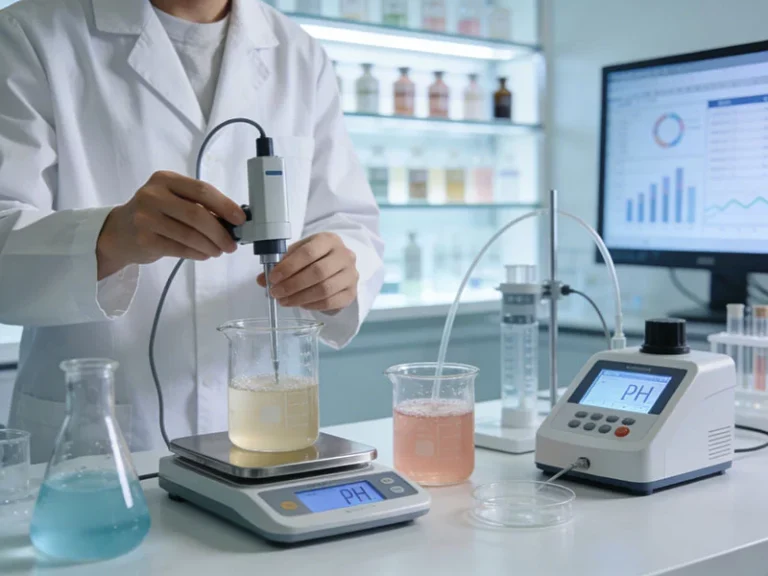
Formula testing and validation involve meticulous checks. Chemists use tools like viscometers to assess texture, conduct stability tests under various conditions, and validate claims through clinical studies when needed.
Phase 2: Production Process
Raw material processing requires precise weighing and mixing. Components like surfactants, moisturizers, and active ingredients are combined under controlled conditions to preserve their efficacy.
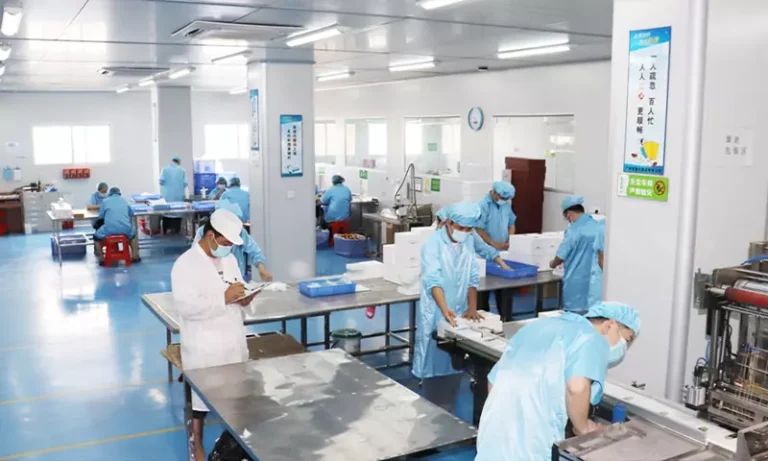
The emulsification and packaging process yields the final product. Aqueous and oily components are emulsified to form a stable formula, which is then automatically filled into bottles. Packaging considers aesthetics, functionality, and durability. The entire process adheres to Good Manufacturing Practices in a clean environment.
How to Choose a High-Quality Shampoo Factory: Key Factors
With many factories claiming expertise, brands must carefully evaluate potential partners.
Technical and Operational Capabilities
Advanced equipment and innovation are important factors. Look for modern mixing systems, automated filling lines, and modular setups allowing for both small and large batch production. Inquire about special capabilities, like developing waterless shampoos or probiotic-based formulations.
Certifications and compliance are basic requirements. Reliable factories hold certifications like ISO 22716 (Good Manufacturing Practices for Cosmetics) and ISO 9001. Review their audit history, product recall records, and their ability to adapt to regulatory changes.
Service and Collaboration
Customization and supply chain reliability distinguish excellent factories. They should offer comprehensive support—from design and regulatory consulting to logistics. Check the Minimum Order Quantity (MOQ) and contingency plans for supply chain disruptions.
Communication and support ensure smooth partnerships. The best factories provide regular updates, quality reports, and technical assistance. They act as long-term strategic allies, helping brands scale and grow.
A specialized shampoo factory is a fundamental pillar for any hair care brand. It combines scientific expertise, strict quality control, and operational flexibility to deliver products that meet market demands. In an era where consumers seek safe, effective, and sustainable options, partnering with a competent factory is a crucial step towards success.