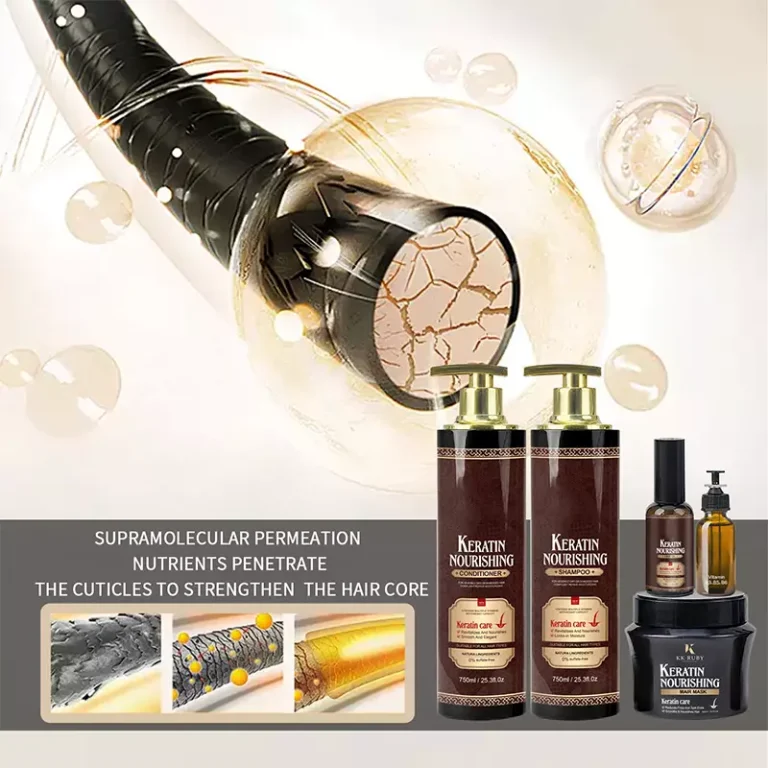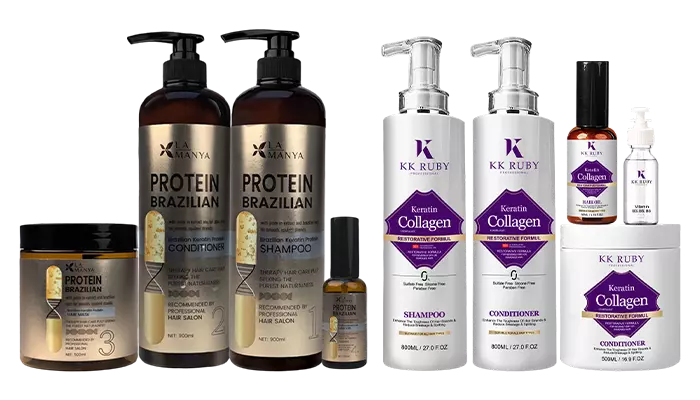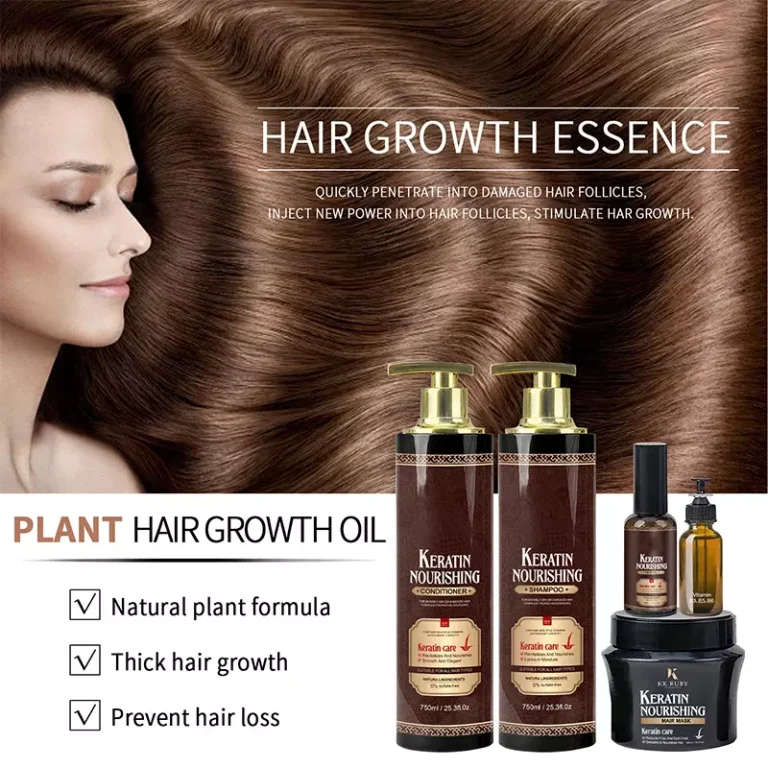
In today’s personal care market, where consumer demands are increasingly customized and fragmented, traditional large-scale, standardized production models struggle to meet the needs of emerging brands, startups, and niche markets. Small-batch shampoo factories have emerged as a vital link, connecting creativity to the market, lowering entry barriers, and accelerating product innovation. These factories specialize in offering flexible production services with low minimum order quantities and a high degree of customization, revolutionizing the shampoo manufacturing landscape.
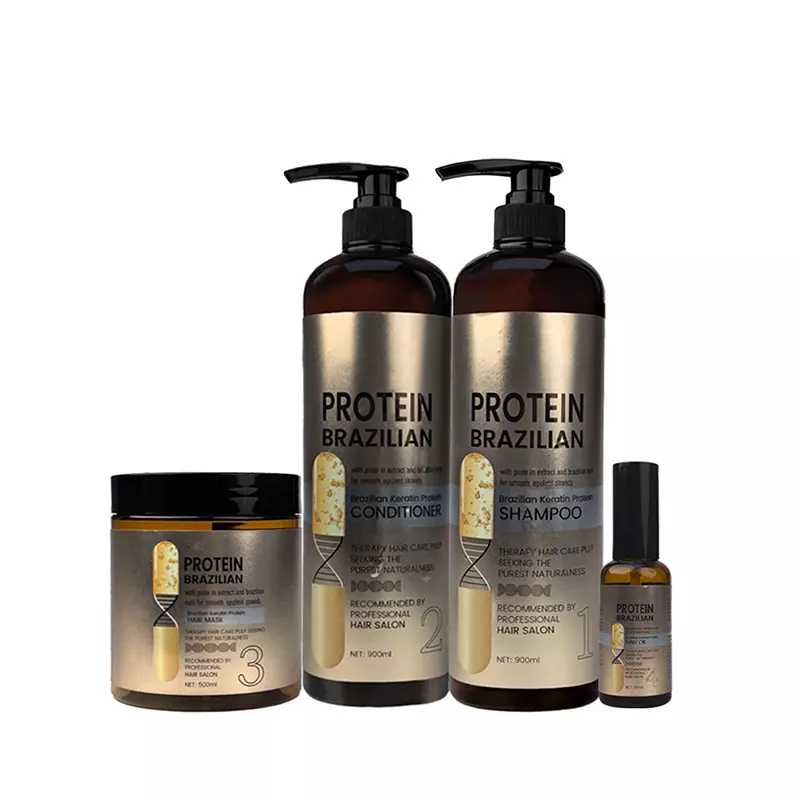
Why Choose a Small-Batch Production Model? An In-Depth Analysis of Core Advantages
For many brands, the barriers to working directly with large chemical factories—often involving minimum orders of several tons, high mold costs, and long production cycles—are insurmountable. The core value of the small-batch production model lies in its flexibility and accessibility.
Reducing Entrepreneurial Risk and Financial Barriers
Very Low MOQ: While traditional factories may require MOQs in the tens of thousands of bottles, specialized small-batch shampoo factories can lower this threshold to a few hundred or even a few dozen bottles. This allows entrepreneurs to transform product ideas into tangible goods with minimal capital investment, enabling market testing, user feedback collection, or pilot sales.
Cash Flow Friendly: Small-batch production means less inventory accumulation and faster capital turnover. Brands can implement “made-to-order” production based on sales data, operating with a lean asset model. This allows valuable funds to be directed to core areas like brand building and marketing, rather than being tied up in massive inventory.
Accelerating Product Innovation and Market Responsiveness
Rapid Development and Experimentation: In a fast-changing consumer market, speed is essential. The small-batch model enables brands to quickly launch new products, test different formulations, packaging, and concepts. Based on market feedback, formula adjustments and re-production can be completed within weeks, enabling agile development.
Customization and Uniqueness: Small-batch factories excel in meeting personalized demands. Whether it’s functional formulations for specific hair types (e.g., severely damaged hair, color protection, curl hydration), adding natural ingredients or unique fragrances, or custom packaging materials, they can accommodate these needs. This allows specialized brands to create highly differentiated products with compelling stories.
How to Choose a High-Quality, Reliable Small-Batch Shampoo Factory?
Many manufacturers claim to offer small-batch services, but their professional capabilities, quality control standards, and compliance levels vary significantly. Choosing the right partner is fundamental to a brand’s success.
Verifying Basic Qualifications and Production Capabilities
Production Licenses and Certifications: The prerequisite is that the factory holds a valid “Cosmetic Production License” and adheres to international certifications like GMPC (Good Manufacturing Practice for Cosmetics) or ISO 22716. This is the basic guarantee for product safety and compliant market entry.
R&D Capabilities and Laboratories: An excellent factory should possess an independent R&D lab and engineers specialized in shampoo formulations. Their role isn’t limited to providing a complete set of base formulas; they should also collaborate on development, conduct stability tests, efficacy evaluations (like hydration tests, cleansing power), and safety assessments based on your needs.
Production Line Flexibility: Assess whether the factory has equipment suitable for small-batch production, such as small reaction kettles, emulsification tanks, flexible filling lines. The ability to handle various packaging forms (bottles, sachets, tubes, tins) is also crucial.
Evaluating Service Details and Communication Efficiency
Cost Structure Transparency: Request the factory to provide a clear price breakdown, including raw material costs, processing fees, packaging material costs, testing fees, etc. Be wary of manufacturers offering excessively low or vague quotes.
Formula Ownership and Non-Disclosure Agreements (NDA): It’s essential to sign a strict NDA and clearly define the intellectual property ownership of co-developed formulas to protect the brand’s core assets.
Comprehensive Service Offering: An ideal small-batch factory can provide full support throughout the process, from product formula R&D, sample preparation, production, packaging, to documentation and testing (like necessary toxicology tests, human efficacy trials). It may even assist in preparing product registration documentation, significantly reducing the brand’s operational burden.
Standard Operation Mechanism for Cooperating with a Small-Batch Factory
Understanding the cooperation mechanism helps both parties work efficiently and ensures smooth project progression.
Key Steps from Idea to Sample
Defining Requirements: The brand needs to clarify the product’s market positioning (e.g., Efficacy: anti-hair loss, oil control; Texture: refreshing, silky; Key Ingredients: extract type; Price range, etc.).
Formula Proposal and Sampling: Based on requirements, the factory provides 1 to 3 basic formula samples. At this stage, the sample’s texture, fragrance, usage feel, and initial stability should be rigorously tested.
Packaging Design and Confirmation: This includes selecting and designing packaging simultaneously. The factory can provide common packaging material resources or connect you with suppliers. Prominent current market trends are sustainability and customization. For example, while plastic remains dominant, glass is one of the fastest-growing packaging materials due to its premium feel and recyclability (Cosmetic Packaging Market Size, Share & Sector Report 2035). The value of small factories at this stage lies in their ability to help brands choose eco-friendly or distinctive materials that match the product’s positioning.
Comprehensive Management from Production to Market Launch
Pilot Production: After sample confirmation, pilot production of 50 to 500 bottles is conducted to verify that the production line output matches the approved sample, and for final market testing or submission for inspection.
Official Production and Quality Control: During batch production, the factory must implement a strict in-process quality control system, testing each batch for pH, viscosity, microbial presence, fill volume, etc.
Product Documentation and Compliance: The factory should provide complete product formula and production process information to help the brand complete pre-market or cosmetic registration procedures, ensuring product labeling complies with regulatory requirements.
FAQs and Future Trends
Typical Questions About Small-Batch Production
Q: Is the cost of small-batch production too high?
A: The per-unit cost is indeed higher than bulk production. However, considering lower inventory risk, reduced capital requirement, and lower trial-and-error cost, it is a more economical and safer choice for emerging brands. Many factories are optimizing costs through a model based on standard modules (like a base cream) plus customizable components (like active additives and fragrances).
Q: Is the quality of small-batch production guaranteed?
A: Quality is not directly related to batch size; the key lies in the factory’s quality management system. Reputable small-batch factories adhere to strict standards for raw material inspection, production process control, and finished product testing.
Q: Can we produce innovative products like “clean cosmetics” or “carbon-neutral” ones?
A: This is precisely where small-batch factories excel. They can more flexibly source raw materials that meet specific standards (like EWG verification, organic certification, renewable sources) and help brands meet sustainability requirements like eco-friendly packaging.
Future Development Trends in the Industry
Small-batch shampoo factories are moving towards an “efficient, digital, and collaborative” development model. By introducing smarter, smaller-scale equipment and Manufacturing Execution Systems (MES), these factories achieve full transparency in production data traceability. Simultaneously, they are evolving from mere contractors (OEM/ODM) to innovation partners (OBM support) for brands, actively participating in market trend analysis, concept development, and co-creating the next trending product.
Conclusion
For new brands seeking to stand out in the competitive personal care product market, e-commerce entrepreneurs, and salons/hotels looking to expand their product lines, a small-batch shampoo factory is not just a supply chain link; it is a trusted “innovation accelerator” and “risk mitigator.” It grants brands unprecedented flexibility and creativity, ensuring that every unique idea in shampoo and hair care products gets the chance for precise manufacturing and reaches the consumers who need it most. When choosing a partner, comprehensive evaluation, clear communication, and a long-term perspective are fundamental to transforming the flexibility of small-batch production into a core, sustainable competitive advantage for the brand.