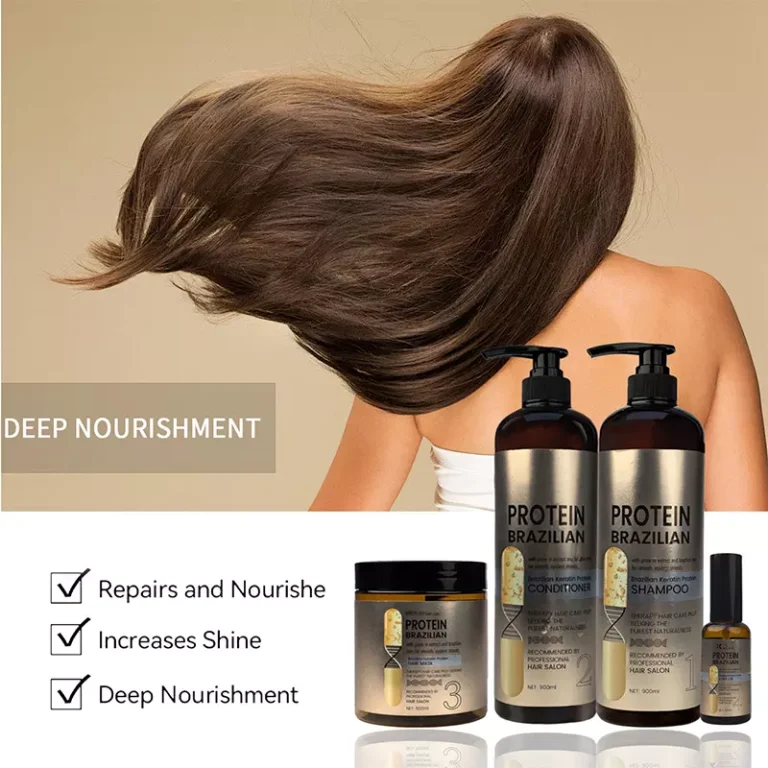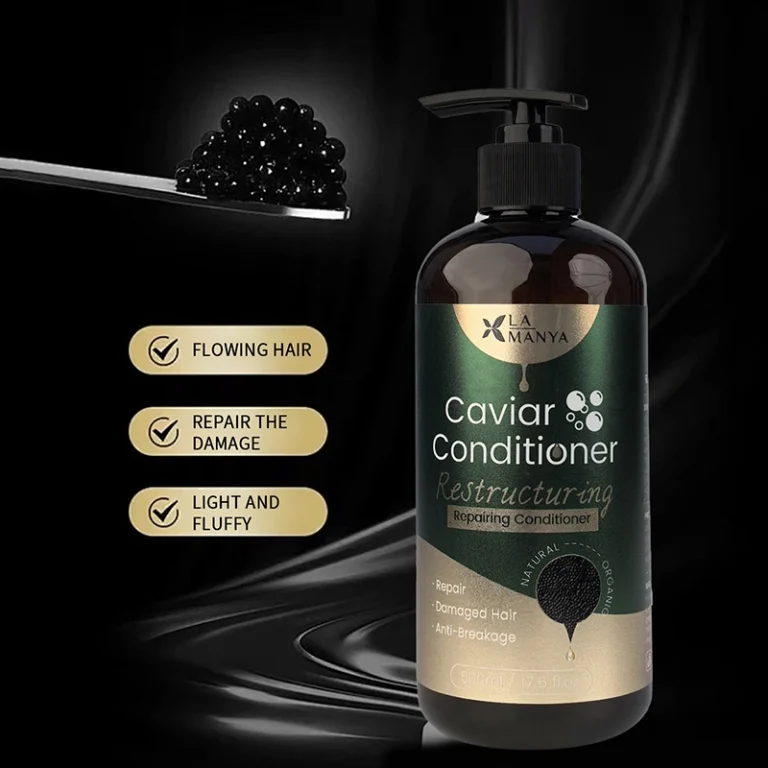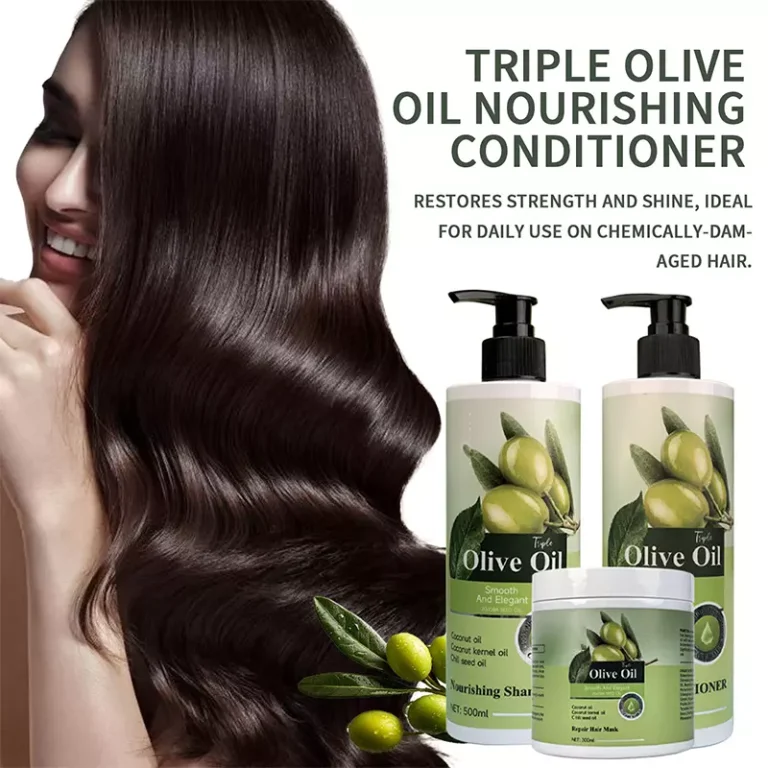
In today’s highly competitive global personal care market, brand owners are seeking more efficient, flexible, and cost-effective production models. Thanks to its integrated supply chain, advanced technological processes, and highly competitive cost structure, China’s shampoo manufacturing sector has become a strategic partner that global brands—from startups to giants—cannot afford to overlook. This guide provides an in-depth analysis of the entire partnership journey with Chinese OEM manufacturers, helping you make precise decisions and achieve record sales.
Why Choose Chinese Shampoo Manufacturers?
For brand owners, outsourcing production to professional OEM manufacturers is not merely “contract manufacturing”; it is a strategic choice for resource integration and focusing on value creation.
Core Advantages and Strategic Value
After decades of development, China’s shampoo manufacturing industry has solidified competitive advantages that are hard to replicate. Deep integration of the supply chain is the most prominent of these advantages. From surfactants, silicones, and functional additives to pump heads, bottles, and packaging design, all materials can be sourced within a radius of no more than a hundred miles in industrial clusters like Guangdong and the Yangtze River Delta, significantly reducing delivery cycles and lowering costs. Secondly, advanced technology and R&D capabilities are noteworthy. Leading manufacturers not only operate modern facilities compliant with international standards (such as ISO22716/GMPC) but also possess in-house R&D laboratories, offering comprehensive services from market trend analysis, custom formulations, stability testing, to efficacy evaluation. For example, Chinese factories have accumulated advanced formulations and patented technologies for popular segments like anti-hair loss, scalp-soothing, and sulfate-free products.
Cost Structure Analysis and Economies of Scale
Compared to building a private factory, the OEM manufacturing model converts fixed costs into variable costs, enabling lean operations that do not require massive capital investment. China’s advantage in manufacturing costs stems not only from labor and raw materials but also from precise specialization and economies of scale. A first-tier OEM factory can simultaneously serve dozens of brands, achieving purchasing power, equipment utilization rates, and management efficiency unmatched by single-brand factories. This allows even small orders (like MOQs of 10,000 to 30,000 bottles) to obtain reasonable per-unit prices, significantly lowering market entry barriers and trial-and-error costs for brands.
How to Choose a Reliable OEM Partner?
Choosing the right partner is crucial to success. A reliable manufacturer is not just a producer; it is also your R&D consultant and quality controller.
Key Criteria for Evaluating Manufacturers
- Certifications and Licenses: This is the foundation. Ensure the company possesses legal production licenses and international certifications like ISO9001 (Quality Management) and ISO22716/GMPC (Good Manufacturing Practices for Cosmetics). For target markets with specific requirements (such as US FDA registration, EU CPNP notification), the manufacturer should possess the necessary experience and capabilities.
- R&D Capabilities and Quality Control: Site visits to the R&D center and laboratory are essential. Learn about the background of the core technical personnel, the richness of their formula database, and whether they hold independent intellectual property rights. For quality control, examine the entire process—from raw material inspection, production stages, to finished product testing—and their traceability system.
- Production Equipment and Capacity: Tour the production lines to assess the degree of automation (e.g., fully automatic filling lines), workshop cleanliness standards, and whether the current production capacity meets peak demand with room for flexible expansion.
Soft Skills for Assessing Partnership Fit
- Market Understanding and Service Mindset: The ideal partner should understand your brand’s positioning and target audience. Can they provide professional consultation on product formula, texture, fragrance, and appearance? Are they familiar with global market trends (like clean beauty, sustainable packaging)? Are their customer service and project management teams responsive and communicate effectively?
- Past Projects and Reputation: Look for brands they have collaborated with, especially those similar to your brand’s positioning. Try contacting their current clients to learn about their experiences. Check their reputation and ratings at professional trade shows (like China Beauty Expo) or B2B platforms.
- Flexibility and Minimum Order Quantity (MOQ): For emerging brands, the factory’s MOQ policy is critical. Also, assess their support for flexible manufacturing—whether they can quickly switch production lines to meet your needs for product variations, small batches, and rapid development.
Detailed Collaboration Process: From Idea to Launch
A clear workflow ensures smooth project progress. Collaborating with an OEM manufacturer typically involves the following key stages:
Stage 1: Requirement Alignment and Proposal Preparation
The essence of this stage is in-depth communication and alignment of expectations. The brand owner should clearly present the following:
- Product Brief: Includes the product’s market positioning, target audience, pricing tier, key selling points (e.g., oil control, volume boost, damage repair), desired texture, and fragrance.
- Regulatory Requirements: Specify the sales destination so the factory’s formulator can ensure all ingredients comply with local regulations (e.g., China’s “Regulations on Cosmetic Supervision and Administration,” EU Cosmetic Regulation EC 1223/2009).
- Budget and Timeline: Initial investment budget and ideal launch timeline.
- Based on this, the manufacturer will submit an initial proposal and quotation, including formula suggestions, packaging material recommendations, cost estimates, and project timeline.
Stage 2: Research & Development, Sampling, and Test Confirmation
This is the core stage of product innovation. The factory lab will develop 2-3 formula samples based on the brief for selection. The brand owner must conduct rigorous testing:
- Internal Testing: The team evaluates the samples’ texture, fragrance, and user experience.
- Small-Scale User Testing: Collect feedback from the target audience.
- Stability Testing (typically conducted by the factory): Includes high/low temperature tests, cycling tests to ensure product performance stability throughout its shelf life. This stage may take 1-3 months, requiring sufficient time allocation.
Stage 3: Production and Quality Control
After sample confirmation, mass production begins. Brand owners should focus on:
- Pre-Production Confirmation: Approve sealed samples of all materials (packaging, raw components).
- Production Process Monitoring (Optional): The brand owner can send staff or a third party to audit the production site.
- Finished Product Inspection: The manufacturer should provide inspection reports for each batch. The brand owner should also independently sample and test to verify key indicators.
Guide to Successful Collaboration and Risk Mitigation
Best Practices to Ensure Smooth Cooperation
- Clear Contractual Terms: The contract should specify product specifications, quality standards, delivery schedules, payment terms, intellectual property rights (formula ownership, product design rights), breach of contract liability, and confidentiality clauses. IP protection clauses are crucial for ensuring ownership of custom-developed formulas.
- Establish Regular Communication Mechanisms: Appoint project managers from both sides, track progress through regular meetings (weekly/monthly), and resolve issues promptly. Use project management tools to track tasks.
- Joint Supply Chain Planning: Work with the manufacturer to proactively plan inventory for key raw materials, especially imported components or those with long lead times, to mitigate market fluctuations.
Common Pitfalls and Avoidance Strategies
- Pitfall 1: Prioritizing price above all else. Excessively low quotes may indicate compromises in quality, use of inferior materials, or simplified QC procedures. Focus on achieving the best cost-performance ratio, not the lowest price.
- Pitfall 2: Neglecting regulatory compliance. Ensure the factory’s formula complies with all regulations in the target market and that a complete “Product Safety Assessment Report” is provided. As the product’s responsible person/filer, the brand owner bears ultimate responsibility for product safety.
- Pitfall 3: Weak communication. Descriptions of subjective indicators like color, fragrance, and viscosity should be objective and quantifiable (e.g., provide reference samples, Pantone codes, fragrance codes) to avoid misunderstandings.
Future Trends: Value-Added Services from OEM to ODM/OBM
Leading Chinese manufacturing companies are evolving from mere OEM to high-value-added ODM/OBM services. They can offer comprehensive services like market analysis, trending product planning, content marketing, and even distribution channel management. For brand owners, this means dedicating more effort to brand building and consumer engagement, forming true strategic alliances with manufacturers to jointly capitalize on new opportunities in the scalp care market (like microbiome-based skincare, personalization, sustainability).
In summary, partnering with Chinese OEM shampoo manufacturers opens up new horizons for efficiency, flexibility, and innovation. The keys to success lie in careful selection from the start, meticulous process management, and building long-term partnerships. With the roadmap outlined in this guide, brand owners can confidently take this step, transforming product ideas into competitive, high-quality products, ultimately securing consumer trust.
Call to Action: Before making your final decision, conducting site visits to at least two or three shortlisted factories is highly recommended. The operational details you witness firsthand and face-to-face technical discussions will reveal far more about a potential partnership than any document. Start your supplier search journey now.