In OEM (Original Equipment Manufacturing) shampoo collaboration, the sample trial production stage is often seen as a preliminary, formal step. However, for experienced brands and responsible manufacturers, it is a crucial, non-negotiable, fundamental phase. Sample trial production is not merely the process of translating a formula concept into a physical product; it is a scientific practice for risk mitigation, ensuring market success, and building long-term trust.
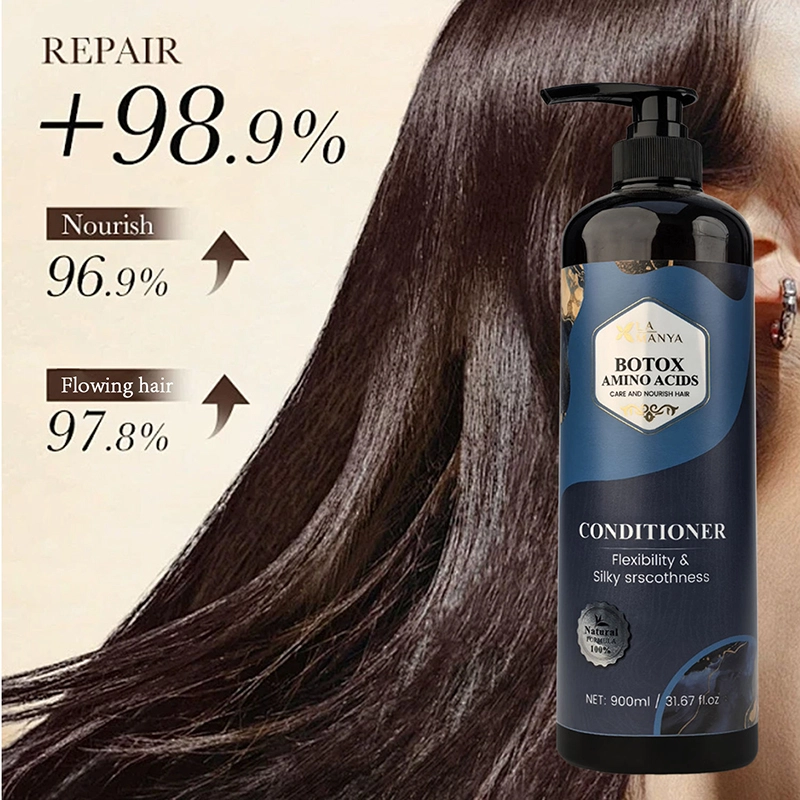
Why is Trial Sample Production a Mandatory Step in OEM Shampoo Manufacturing?
1. Accurate Translation from Concept to Reality
There is a significant gap between the written formula and the final, usable shampoo. Trial sample production is the essential bridge to close this gap. It involves:
- Verifying Raw Material Feasibility: Are lab-grade materials consistently available, cost-effective, and high-performing on a large scale?
- Confirming Process Parameters: How do mixing sequence, temperature, homogenization time, and cooling rate affect the final product’s stability, appearance, and performance?
- Fine-tuning Sensory Experience: How are subjective experiences like a “luxurious feel” or “silky texture” achieved through specific viscosity, foam quality, and after-feel? Samples are the only basis for fine-tuning these factors.
2. Identifying and Solving Potential Problems
Identifying a problem before mass production costs a fraction of solving it after production begins (often 1/1000th or less).
- Compatibility Testing: Will the shampoo chemically react with the chosen packaging (especially PCR plastic or custom-designed bottles)? Could it cause deformation, discoloration, or product degradation?
- Stability Challenges: Through accelerated stability tests (e.g., high temp, high humidity, freeze-thaw cycles), we predict product performance during storage, shipping, and shelf life. Will it separate, change color, lose fragrance, or lose efficacy?
- Scalability: A successful formula in a small lab batch may behave differently when scaled to a 2000L+ reactor due to heat transfer and mixing efficiency differences, potentially leading to inconsistent texture.
3. Ensuring Regulatory Compliance and Market Requirements
Global markets are characterized by diverse and complex regulations (like China’s Cosmetics Supervision and Administration Regulation, EU’s EC 1223/2009, US FDA rules). Samples are the foundation for compliance work:
- Safety Assessment: Complete samples are required for toxicologists to prepare the Product Safety Report.
- Proving Efficacy Claims: For claims like “anti-dandruff” or “hair loss prevention,” samples are needed for third-party human efficacy testing.
- Labeling Review: Physical samples help finalize accurate, compliant label information.
4. Aligning on the Meaning of “Quality”
“High quality” is relative. For the brand, it may mean a specific creamy texture or the absence of residue after rinsing. Samples provide an objective, tangible standard for both parties to discuss, ensuring the manufacturer’s understanding of “quality” perfectly aligns with the brand’s expectations, preventing future disputes.
What Does a Professional Trial Sample Production Process Look Like?
A rigorous OEM factory typically follows this systematic process:
- In-Depth Requirement Alignment: Detailed understanding of target market, consumer profile, pricing, competitor analysis, and core selling points.
- Formula Proposal and Confirmation: Provide 2-3 base formula options based on requirements.
- First Round Sample Production: Produce small-batch samples (e.g., 5-10 kg) in the lab for preliminary brand evaluation.
- Feedback and Adjustments: Revise formula based on brand’s sensory and experiential feedback. This cycle may repeat 1-3 times.
- Pilot Sample Confirmation: Produce samples on a pilot line (e.g., 100 kg batch) simulating mass production conditions. These samples can be used for stability testing and preliminary market research.
- Final Golden Sample Approval: Both parties formally approve and sign off on the pilot sample. It becomes the “golden standard” for all future mass production.
About Guangzhou Jindao
Guangzhou Jindao is a specialized manufacturer of shampoo and personal care products with 16 years of experience. We fully understand the core value of the sample trial experience in successful partnerships. We manage an independent sample development center, seamlessly connected to twenty fully automated production lines, ensuring high consistency from sample to mass production.
Over the past sixteen years, we have provided comprehensive services from sample development to mass manufacturing for over 3000 brands worldwide. Our products are exported to more than 50 countries and regions, including Europe, America, Southeast Asia, the Middle East, and Australia. Our extensive experience allows us to accurately understand the preferences and regulations of different markets, efficiently and reliably transforming your ideas into high-quality products accepted by the market.
We firmly believe that a rigorous sample trial production process is the strongest possible foundation for a successful long-term partnership between brand and manufacturer.