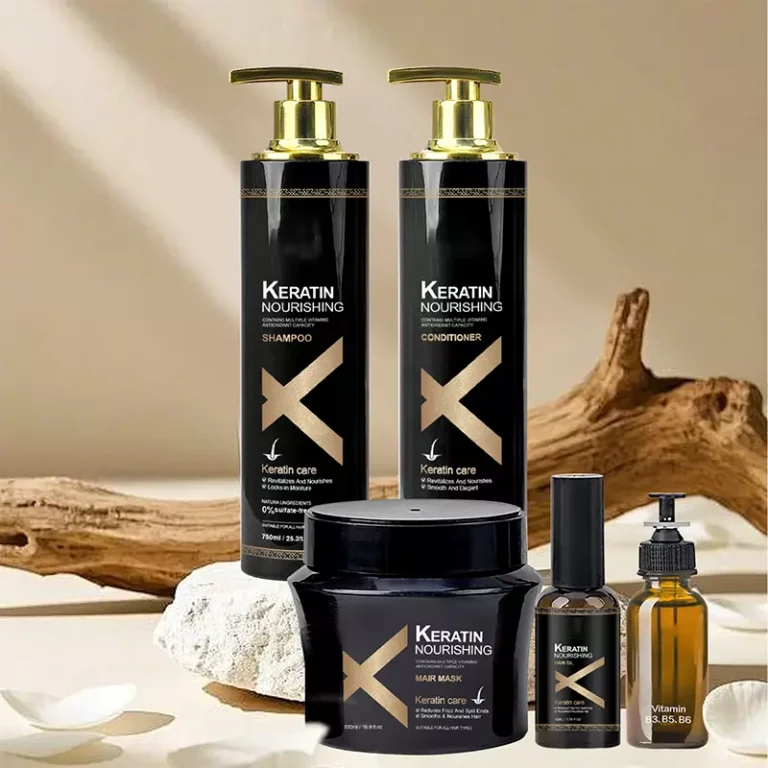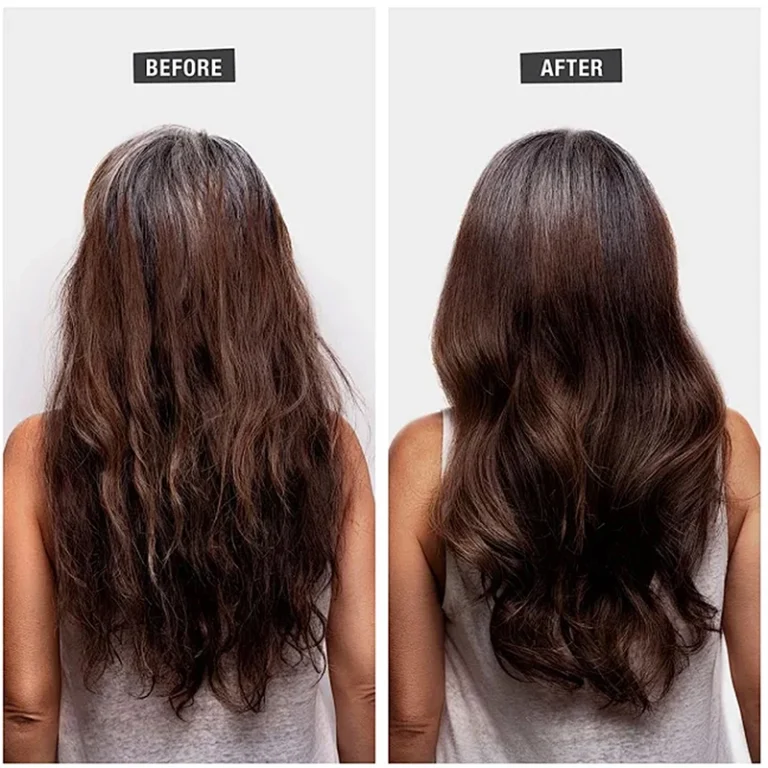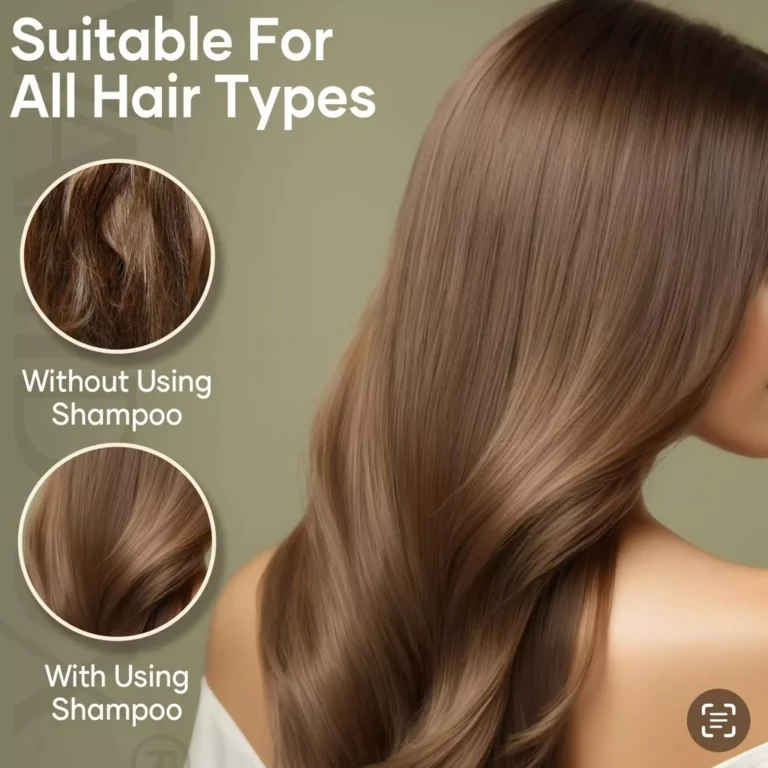
Oily hair is a common problem—hair washed in the morning becomes limp and greasy by noon, affecting not only appearance but potentially causing scalp itchiness and odor. Choosing the right shampoo is the first step to solving oily hair concerns. Shampoo Manufacturers will provide an in-depth analysis of the causes of oily hair and offer a scientific, practical guide to shampoo selection to help you find the right product.
Understanding the Nature of Oily Hair
The root cause of oily hair is the over-secretion of sebum from the sebaceous glands in the scalp. Sebum secreted by sebaceous glands serves a protective function for the scalp and hair, but excessive secretion leads to greasy, limp hair that easily attracts dust and dirt, and can even clog hair follicles causing inflammation and hair loss.
Factors contributing to excessive sebum production include:
- Genetic factors: Naturally overactive sebaceous glands.
- Hormone levels: Androgens stimulate sebum secretion.
- Improper care: Over-cleansing leads to compensatory sebum overproduction.
- Environmental factors: Hot, humid environments accelerate sebum secretion.
- Dietary habits: High-sugar, high-fat diets promote sebum production.
Key Considerations for Choosing Shampoo for Oily Hair
1. Focus on Cleansing Ingredients: Gentle Yet Effective
Oily hair needs a shampoo with moderate cleansing power, not overly stripping. Many shampoo manufacturers use scientifically formulated blends to achieve effective cleansing without compromising the scalp’s barrier.
Recommended Ingredients:
- Gentle Detergents: Amino acid-based detergents (e.g., Sodium Lauroyl Glutamate) and betaine detergents effectively remove excess oil without irritating the scalp.
- Salicylic Acid: Has mild keratolytic and pore-cleansing effects, typically at 0.5%-2% concentration.
- Zinc Pyrithione: Regulates sebum secretion and has antibacterial properties.
Ingredients to Avoid:
- Excessively strong sulfate detergents (e.g., Sodium Lauryl Sulfate) may irritate the scalp with long-term use, leading to “the more you wash, the oilier it gets.”
- Excessive silicone and heavy conditioning agents can easily accumulate at the hair roots.
2. Balance the Scalp Microenvironment
A healthy scalp requires a balanced microbiome. Professional shampoo manufacturers take into account adding ingredients to maintain the scalp’s delicate ecological balance:
- Prebiotics: Such as Alpha-Glucan Oligosaccharide, promote beneficial bacteria growth.
- Natural Antibacterial Ingredients: Tea Tree Oil, Rosemary Extract, Dipotassium Glycyrrhizate.
- pH Regulating Ingredients: Maintain a slightly acidic scalp environment (around pH 5.5).
3. Sectional Care Concept
Oily hair is often accompanied by dry ends; this is a “mixed” hair condition. Leading shampoo manufacturers have developed sectional care products or recommend consumers adopt a sectional care strategy:
- Scalp: Use a lightweight, oil-control shampoo.
- Mid-lengths to Ends: Use a moisturizing but non-greasy conditioner, applied only to the ends.
Purchasing Strategies for Different Oily Hair Types
Mildly Oily Hair
Characteristics: Oil production begins 24-36 hours after washing.
Recommended Choice:
- Gentle cleansing shampoo for daily use.
- Incorporates natural oil-control ingredients (Green Tea, Mint, Nettle Extract).
- Silicone-free or low-silicone formula.
Moderate to Severely Oily Hair
Characteristics: Noticeable oil production 12-24 hours after washing.
Recommended Choice:
- Specialized oil-control products.
- Contains sebum-regulating ingredients (Vitamin B6, Zinc, Pumpkin Seed Extract).
- Use a deep-cleansing shampoo 1-2 times per week.
Oily, Sensitive Scalp
Characteristics: Excessive oil secretion accompanied by itching and redness.
Recommended Choice:
- Oil-control products specially designed for sensitive scalps.
- Fragrance-free and free of irritating preservatives.
- Contains anti-inflammatory and soothing ingredients (Bisabolol, Oat Extract).
Product Types and Usage Tips
Shampoo Type Selection
- Liquid Shampoo: The most common type. When choosing, look for a refreshing texture that rinses easily.
- Shampoo Bars/Sticks: Usually have stronger cleansing power and suit severely oily hair, but can be alkaline, so pay attention to pH adjustment afterwards.
- Dry Shampoo Spray: For emergency use only, not a long-term solution.
Correct Washing and Conditioning Methods
Even with the right shampoo, usage method is crucial:
- Pre-Wash Preparation: Thoroughly wet your hair with warm water for 2-3 minutes to help open scalp pores and hair cuticles.
- Appropriate Amount: Typically coin-sized. The amount is sufficient; overuse may leave residue.
- Concentrate Cleansing: Intensively massage the scalp with your fingertips (not nails), lightly touching the hair ends.
- Water Temperature Control: Rinse thoroughly with water slightly cooler than body temperature to help tighten pores.
- Rinse Time: Ensure thorough rinsing, for at least 1-2 minutes.
- Frequency of Use: Adjust according to oil production, typically every other day, avoiding strong daily cleansing.
Beware of Common Buying Misconceptions
❌ Misconception 1: The stronger the cleansing power, the better.
Over-cleansing can damage the scalp barrier, causing sebaceous glands to compensate by secreting more oil, creating a vicious cycle.
❌ Misconception 2: Silicone-free is best.
Silicone is not “evil.” For people with long hair, proper use of silicone-containing products on the ends can prevent split ends. The key is correct application.
❌ Misconception 3: Frequent shampoo changes yield better results.
The scalp needs an adaptation period. Frequently changing product formulations may disrupt the scalp environment. It is recommended to use a product consistently for at least one month before evaluating results.
❌ Misconception 4: Hot water removes oil better.
Excessively hot water stimulates sebum secretion and damages the scalp barrier. Warm water (around 37°C) is best.
✅ Lifestyle Recommendations
Shampoo is only one part of the solution; holistic conditioning is more important:
- Dietary Adjustments: Reduce intake of high-sugar, high-fat dairy products; increase zinc and B-vitamin rich foods.
- Regular Sleep Schedule: Ensure adequate sleep and reduce stress.
- Proper Styling: Use combs made of natural materials to avoid excessive scalp stimulation.
- Regular Comb Cleaning: Clean your comb weekly to prevent bacteria and oil from re-contaminating the scalp.
- Avoid Excessive Touching: Oils and bacteria from hands can transfer to hair.
When to Seek Professional Help
If you experience any of the following, consulting a dermatologist is recommended rather than relying solely on shampoo:
- Excessive dandruff, redness, or rash.
- Noticeable hair loss.
- No improvement after trying multiple oil-control products.
- Scalp pain, pus, etc.
In Summary:
Choosing the right shampoo for oily hair is an art of balance—it needs sufficient cleansing power to remove excess oil, but not so much that it strips and damages the scalp barrier. With advances in R&D, modern shampoo manufacturers can provide more precise, scientific solutions, addressing oily hair problems from multiple angles, including regulating sebum secretion and maintaining the scalp’s microenvironment.
The most effective strategy is to understand your specific scalp condition, choose products with suitable ingredients, and combine that with proper washing and conditioning methods and a healthy lifestyle. Patience is key; scalp adaptation typically takes 4-8 weeks. When you find the “right” product, you’ll find that saying goodbye to oily hair and having long-term, vibrant hair is no longer a distant dream.