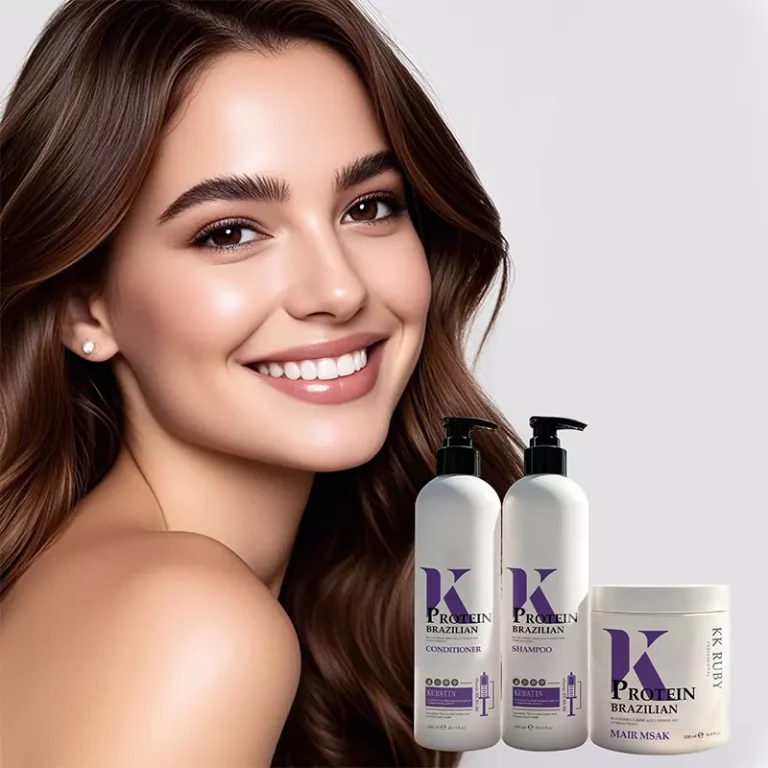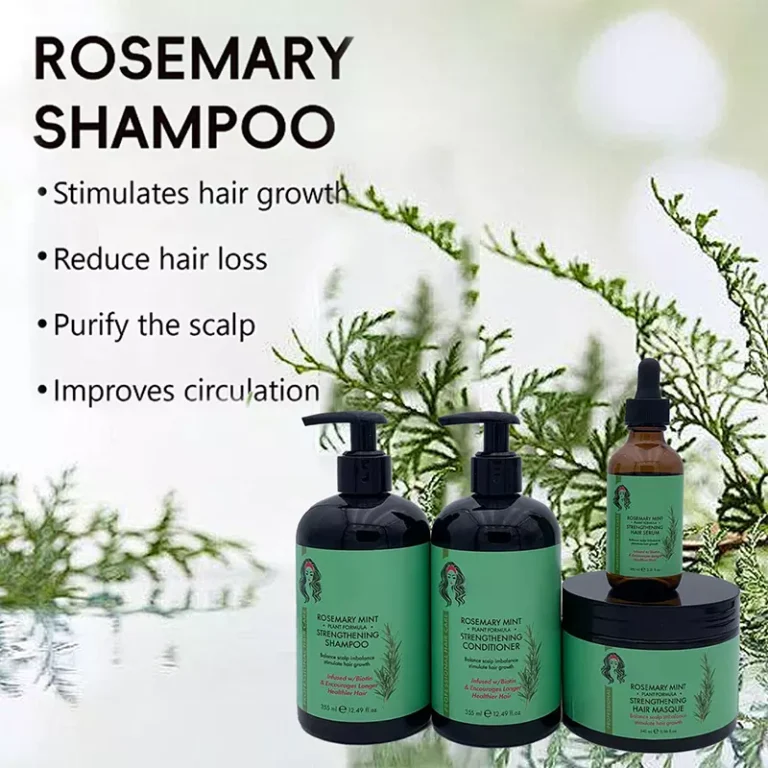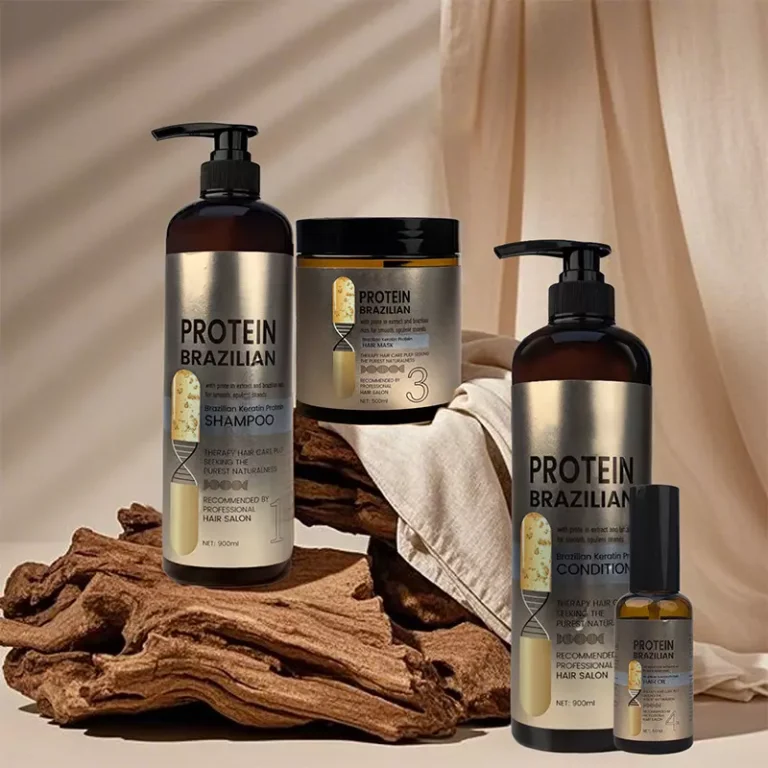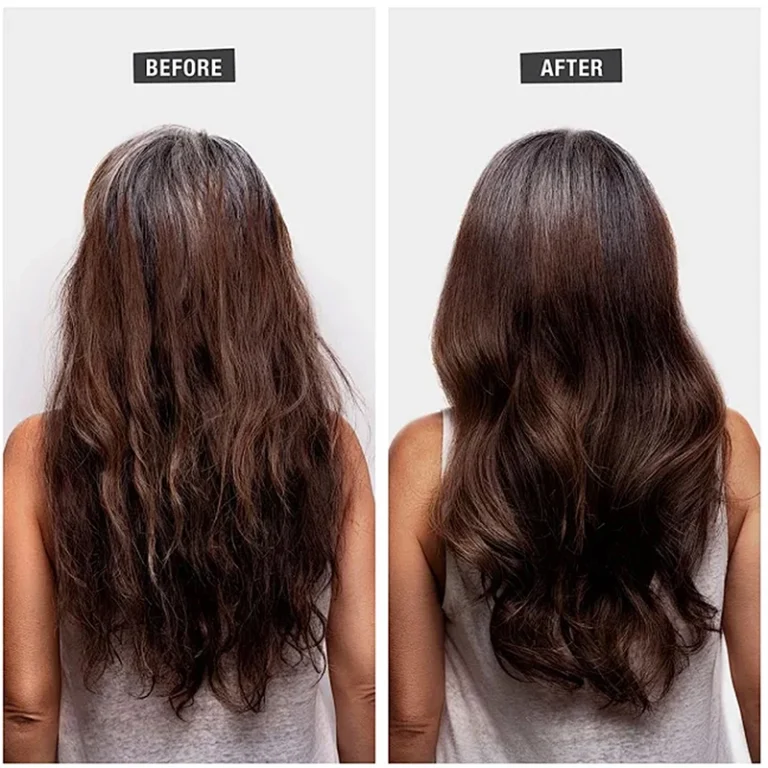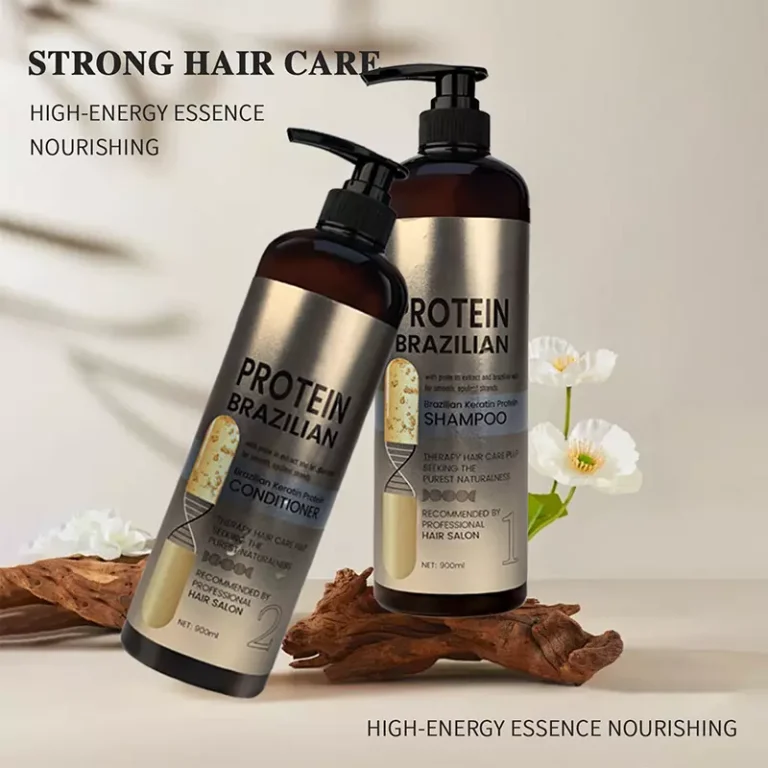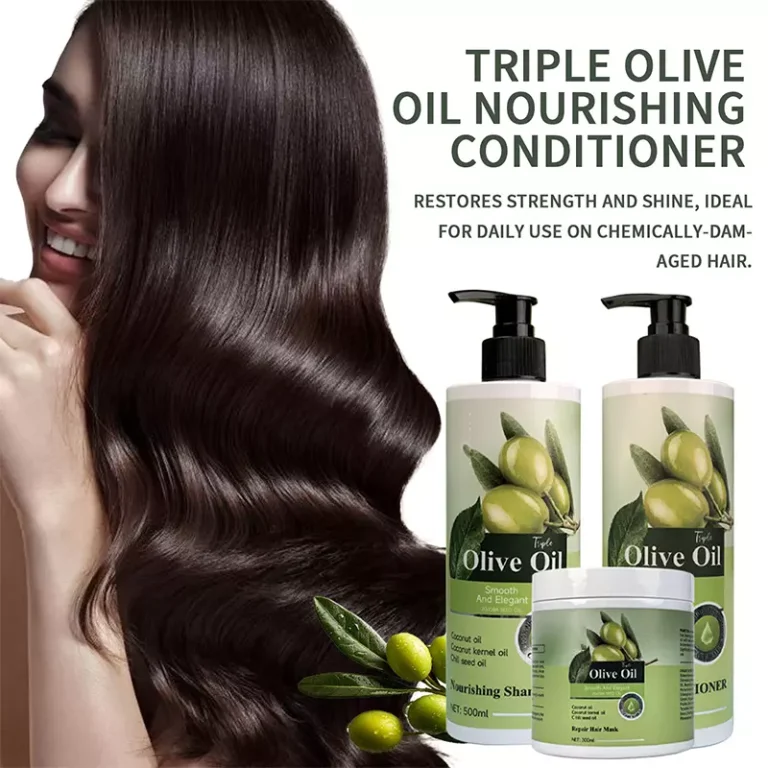
The global hair care market is expected to surpass $134 billion by 2028, with specialized women’s hair care products being the primary driver of this growth. For entrepreneurs and established cosmetics brands, the fastest path to profitability is not building a factory, but partnering with a specialized Women’s Shampoo OEM manufacturer.
However, the challenge is not just finding a manufacturer, but finding the right one. Whether you’re aiming to create a specialized organic product or a widely distributed salon formulation, understanding the OEM manufacturer market is crucial to protect your profit margins and brand reputation.
This comprehensive guide explores the strategic advantages of OEM manufacturing, the latest shampoo formulation trends, and the precise steps to ensure a reliable supply chain.
Why Smart Brands Choose OEM Manufacturers for Women’s Shampoo
Many emerging brands confuse OEM manufacturing with wholesale buying. In reality, an OEM manufacturer is far more efficient; it is the key engine behind some of the most popular independent cosmetic brands. By outsourcing production, you can shift your focus from operational issues to marketing and sales.
Cost Efficiency and Capital Preservation
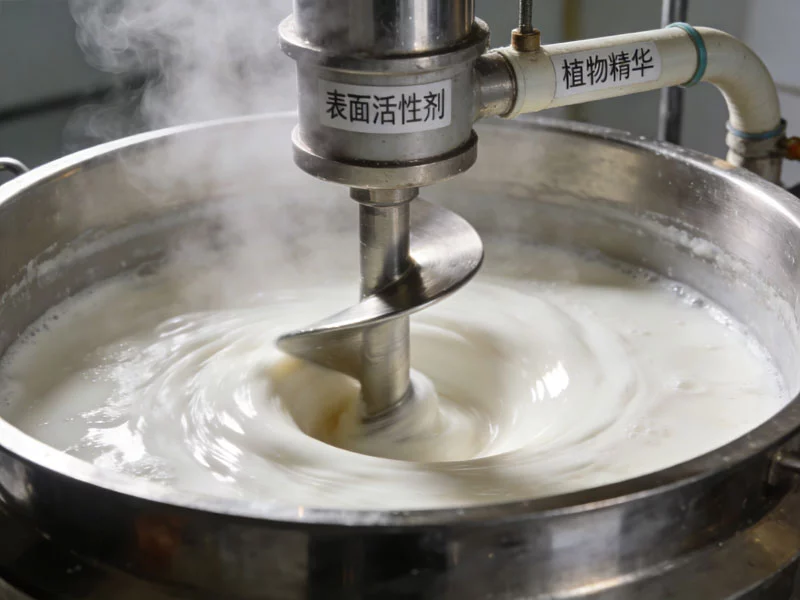
Building a cosmetics lab and factory compliant with Good Manufacturing Practices (GMP) standards requires millions in capital expenditure. By partnering with a women’s shampoo manufacturer, you save on costs related to:
- Heavy machinery and mixing tanks.
- Raw material warehouses and inventory management.
- Hiring chemists and quality control engineers.
This model converts fixed costs into variable costs. You only pay for the product you sell, leading to better cash flow and resources that can be directed towards influencer marketing and retail distribution.
Access to R&D and Advanced Formulations
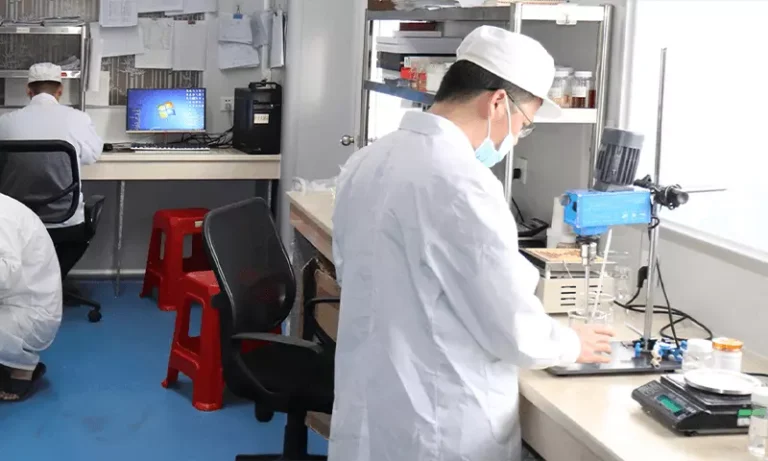
Top-tier OEM manufacturers are not just liquid fillers; they are innovation hubs. A reputable factory has an in-house R&D team that stays on top of the latest ingredient trends.
By partnering with an OEM, you gain instant access to mature formulations. These are “base formulas” that have already passed stability tests but can be tweaked with signature ingredients (like Argan oil, Biotin, or Keratin) to create a unique product for your brand. This drastically reduces time-to-market from 12 months to just 3 months.
Top Formulation Trends in Women’s Shampoo Market (2024-2025)
To rank well on Google and sell on Amazon or Shopify, your product must meet the modern consumer’s demands. The era of generic shampoos with harsh chemicals is over. Your OEM partner must be able to produce the following high-demand categories.
“Skinification” of Hair Care Products
Consumers now treat their scalp as they do their skin. There is growing demand for shampoos containing high-quality skincare ingredients. When consulting your OEM partner, ask about the possibility of integrating the following:
- Hyaluronic Acid: For deep scalp hydration.
- Salicylic Acid: For scalp exfoliation and dandruff control.
- Peptides: For anti-aging hair solutions and strengthening hair follicles.
- Niacinamide: For regulating oil production without stripping.
Brands that explicitly mention these ingredients on their product labels achieve higher click-through rates and better conversion rates.
Clean Beauty: Sulfate and Silicone Free
“Free-from” claims are no longer niche; they are a baseline expectation. Search volume for “sulfate-free shampoo” continues to grow. Women are looking for gentle cleansers that protect color-treated hair and preserve natural oils.
- The Challenge: Sulfate-free formulas sometimes lack lather.
- The Solution: An experienced OEM manufacturer possesses the know-how to blend gentle surfactants (like Cocamidopropyl Betaine or Decyl Glucoside) to maintain a rich lather while guaranteeing the “sulfate-free” claim.
Pro Tip: Ask the manufacturer for “Vegan” and “Cruelty-Free” certificates. These are essential selling points for Millennials and Gen Z.
How to Choose the Right Women’s Shampoo OEM Manufacturer
Finding a supplier on sites like Alibaba or ThomasNet is easy, but finding a true partner is difficult. The wrong choice can lead to leaking bottles, inconsistent product texture, or legal issues. Use these criteria to evaluate potential manufacturers.
Certifications and Global Compliance
If you plan to sell globally (USA, EU, Southeast Asia), the manufacturer’s compliance is non-negotiable. Do not rely on verbal promises. Request digital copies of the following documents:
- GMPC (Cosmetic Good Manufacturing Practices): Essential for safety and hygiene standards.
- ISO 22716: The international standard for cosmetics manufacturing.
- US FDA Registration: Required for import into the USA.
- MSDS (Material Safety Data Sheets): Required for shipping logistics.
If the manufacturer hesitates to provide these documents, walk away immediately.
MOQ is often the biggest hurdle. Large factories prefer production runs of 10,000+ units, which is a high risk for startups.
- Flexible OEMs: Look for manufacturers offering “semi-custom” options with low MOQs (e.g., 500-1000 units) using standard packaging.
- Scalability: Ensure the factory can scale. If your TikTok ad goes viral and you need 50,000 units next month, can they deliver? A good OEM partner grows with you.
| Feature | Standard OEM | Premium/Flexible OEM |
| MOQ | 5,000 – 10,000 units | 500 – 1,000 units |
| Lead Time | 45-60 days | 25-35 days |
| Customization | Basic Scent/Color | Fully Custom Formula |
| Packaging | Standard Bottle | Custom Molds & Private Labeling |
The OEM Manufacturing Process Step-by-Step: From Idea to Finished Product
Understanding the workflow helps you manage expectations and launch on time. Here is a typical lifecycle for a women’s shampoo OEM project.
1. Sample Development and Stability Testing
Do not place a bulk order before testing a sample.
- Brief: You define your target standard for the manufacturer (e.g., “I want a formula like Olaplex No. 4”).
- Prototype: The lab prepares a sample.
- Testing: You test the texture, fragrance, and lather.
- Stability Testing: A critical step. The lab exposes the shampoo to extreme hot and cold temperatures to ensure it doesn’t separate or change color. This typically takes 2-4 weeks but guarantees the product won’t spoil on store shelves.
2. Packaging Design and Private Labeling
Packaging sells the product even before the customer smells it.
Most OEM manufacturers offer turnkey solutions, meaning they source the bottles, pumps, and labels on your behalf.
- Current Trend: Post-consumer recycled plastic bottles, minimal typography.
- Labeling Compliance: Ensure the OEM helps you verify that your label complies with local regulations (like listing ingredients in the correct INCI format).
Common Private Label Manufacturing Mistakes to Avoid
To ensure the value and distinctiveness of this content from AI-generated fluff, we must address the risks.
Mistake 1: Ignoring Intellectual Property Rights
Who owns the product formula? In a standard OEM agreement, the manufacturer often retains the rights to the “base formula.” If you are paying for custom product development (ODM), you must negotiate ownership or an exclusivity agreement. This prevents the manufacturer from selling your exact formula to a competitor next month.
Mistake 2: Underestimating Lead Times and Logistics
Manufacturing is only half the battle. Shipping liquids internationally is complex. Shampoo is heavy and dense.
- Sea Freight vs. Air Freight: Air freight is fast, but it kills profit margins on heavy products like shampoo. Therefore, plan your inventory 3-4 months in advance to leverage sea freight (cheaper but slower).
- Customs Clearance: Ensure the OEM provides you with the correct HS codes to avoid customs delays.
Conclusion: Start Your Hair Care Journey Today
The demand for specialized, high-quality women’s shampoo continues to grow. Whether you want to launch a purple shampoo for blonde hair or a ginger root shampoo for hair growth, the key is finding a women’s shampoo OEM manufacturer that acts as a strategic partner, not just a supplier.
Success lies in balancing a high-performance formula, quality-compliant manufacturing, and a distinctive brand story. Don’t let the complexities of manufacturing hold your brand back.
Are you ready to turn your formulation idea into a finished product?
Stop searching and start manufacturing. We specialize in connecting brands with GMP-certified, premium manufacturing solutions, customized to fit your MOQ and budget.
[Click here to contact us via WhatsApp] regarding your shampoo requirements, and let’s start producing your samples this week.