In Private Label (OEM) Shampoo Manufacturing, fragrance selection not only impacts a product’s first impression but is also closely tied to brand image, market performance, and consumer loyalty. The right fragrance can make a product stand out from competitors and become distinctive in consumers’ minds. So, how do you choose a shampoo fragrance in a scientific and systematic way? We analyze it from the following four dimensions:
I. Deeply Understanding Target Consumer Preferences
Different consumer groups have distinctly different fragrance preferences.
Younger consumers (e.g., Gen Z, Millennials) typically prefer refreshing, unique, and vibrant scents, such as fruity, floral, or woody-gourmand notes. These fragrances cater to their pursuit of novelty and unique experiences.
Middle-aged and older consumers tend to favor classic, elegant scents, like soft floral or sandalwood notes, which evoke feelings of familiarity and comfort.
Gender and regional differences should not be overlooked. For instance, women may prefer sweeter or richer floral scents, while the men’s market is increasingly receptive to fresh marine notes, tea scents, or simple, neutral fragrances.
It is recommended that before finalizing the fragrance type, clearly understand the olfactory preferences of the target customer group through user surveys, market research, and social media data analysis to ensure the product fragrance accurately resonates with consumers.
II. High Alignment with Product Positioning and Function
Fragrance is not an isolated element; it must align with the shampoo’s efficacy, grade, and usage scenario.
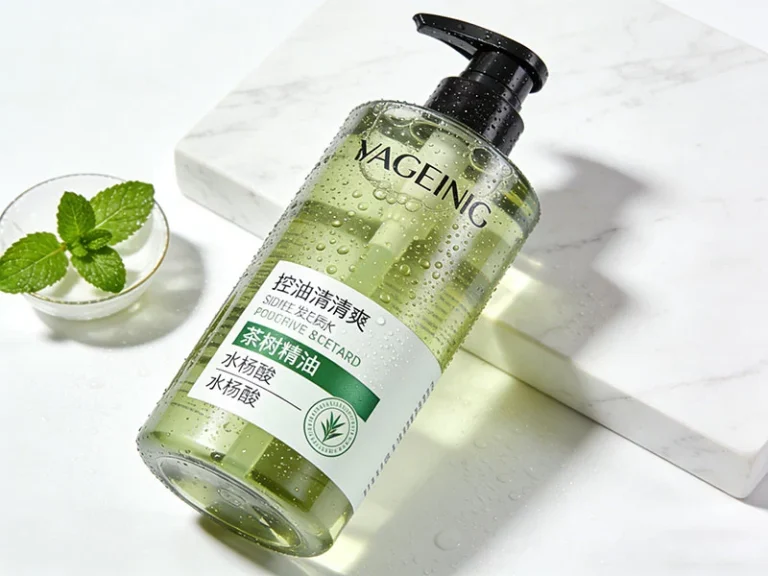
Functional Alignment: For example, refreshing anti-dandruff shampoo is suitable for cooling scents like mint and tea tree; repair and nourishing products can choose warm, soothing scents like frankincense and sandalwood to convey a sense of gentle restoration.
Semantic Alignment: High-end products should use complex fragrances with rich layers and rare ingredients, creating a sense of luxury through subtle transitions in top, middle, and base notes. Affordable mass-market products are more suitable for classic, widely accepted, and characteristic scents, such as refreshing fruity-floral notes.
Holistic Consistency: The fragrance should also form a sensory system consistent with packaging design, brand philosophy, and promotional imagery, building a unique “olfactory identity” for the brand.
III. Echoing Brand Style and Long-Term Image
Fragrance is an extension of the brand’s personality and must align with its tone.
If the brand positioning is natural and organic, herbal, green, and natural plant extract scents better convey concepts of purity and health.
If pursuing a luxury approach, consider using rare florals, oriental notes, or custom fragrances to highlight the brand’s distinction and uniqueness.
Whether the style is minimalist, classic, or tech-forward, the fragrance should be part of the brand narrative, allowing consumers to instantly recognize the brand and form lasting brand memory.
IV. Stay Aware of Market Trends and Strictly Adhere to Safety and Compliance
Trend Sensitivity: Popular fragrance trends change with seasons, culture, and social media influences. In recent years, sustainable, emotionally therapeutic, and traditional Chinese scents have gained popularity. Staying sensitive to market trends helps products gain more attention.
Safety and Compliance are the Bottom Line: It is essential to ensure selected fragrances and flavorings comply with relevant national regulations and international safety standards (e.g., IFRA). Strict verification of prohibited or restricted ingredients, along with allergy risk assessment and standardized labeling of ingredient information, is necessary to protect consumer health and right to know.
Conclusion
In Private Label (OEM) Shampoo Manufacturing, fragrance selection is a comprehensive art that combines marketing, psychology, brand aesthetics, and compliance science. Only by targeting users accurately, aligning with product functions, conveying brand spirit, staying informed of market trends, and strictly adhering to safety standards can the truly “right” fragrance be found, giving the product a soul and creating a lasting competitive advantage in the market.