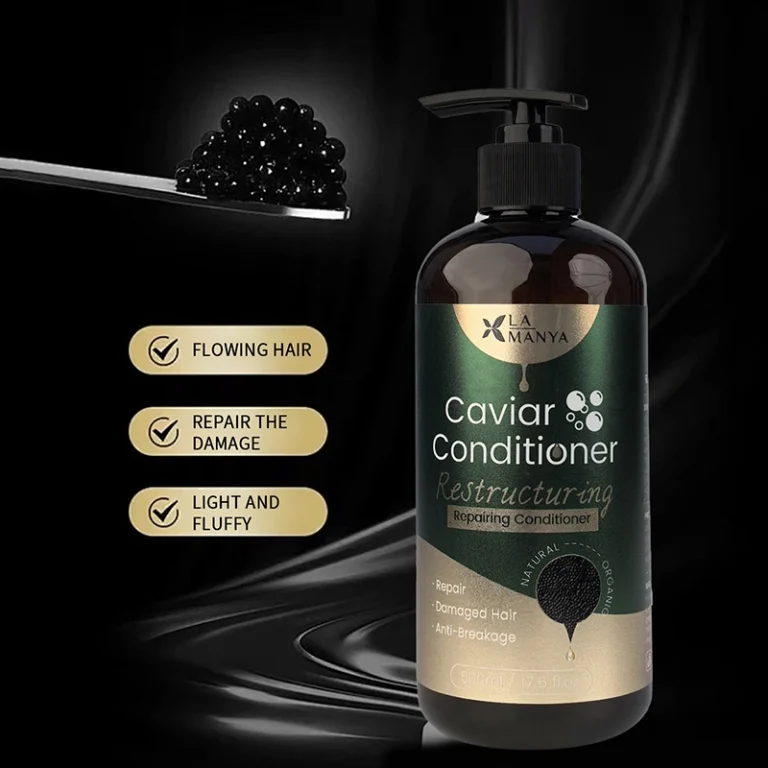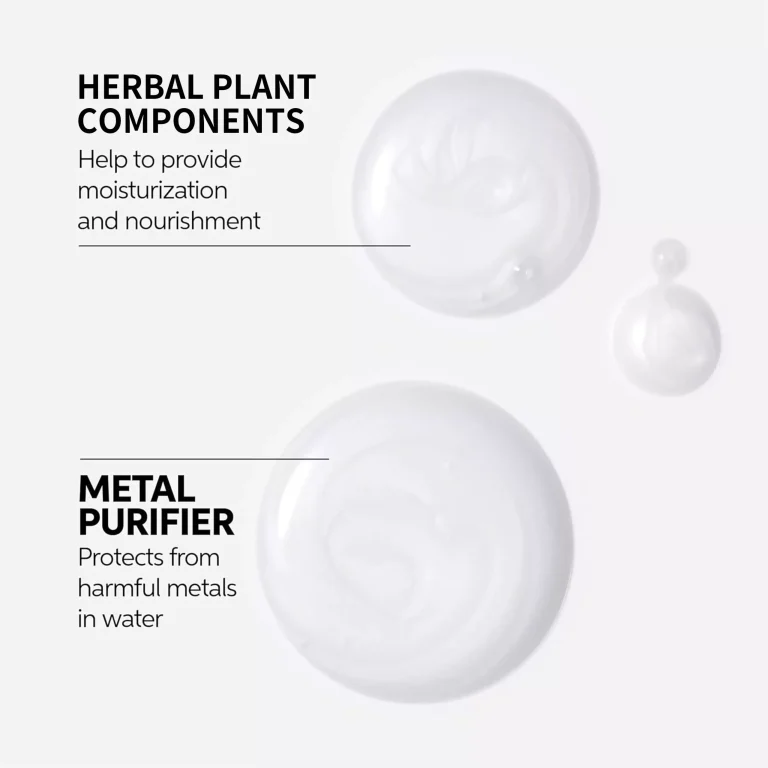
We use shampoo every day, but we rarely think about how it’s made. Leading shampoo manufacturing companies in China manage this complex process. How does the product reach our showers? It transforms from raw materials into a finished product. Today, we visit a modern factory located in Guangzhou, China. We’ll uncover its production process, explore its quality assurance system, and showcase the high standards of Chinese shampoo manufacturing companies.

I. Starting from the Source: Rigorous Raw Material Control
Quality begins with high-quality raw materials. Chinese shampoo manufacturers know this well. They consider raw material control the lifeline of quality.
1. Meticulous Supplier Selection
These manufacturers have established stringent systems. They conduct comprehensive supplier evaluations, including their technical capabilities, production scale, quality stability, industry reputation, and on-site audits. This ensures a continuous supply of qualified raw materials. For core ingredients, they prefer partnering with technology-reliant companies. For example, collaboration with professional partners like Guangzhou Jindao is built on long-term trust. This is a common practice among top Chinese shampoo manufacturers.
2. Testing All Incoming Materials
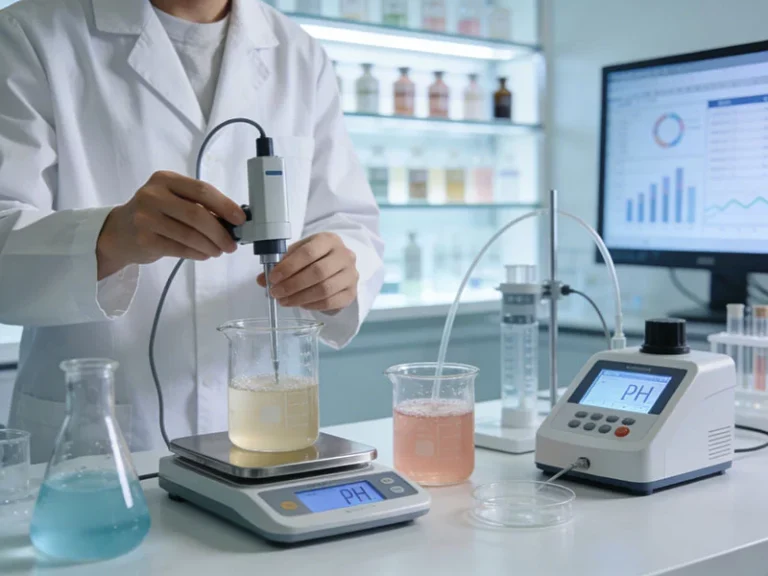
Not every batch of raw materials goes directly to the production line upon arrival at the factory. First, they enter a dedicated raw material warehouse where Quality Control (QC) management inspects them. Chinese shampoo manufacturers conduct rigorous checks. They verify specifications and batch numbers. They also sample and test according to internal standards. Tests include appearance, odor, and pH value. They also test active ingredient content and microbial indicators. Raw materials must meet all internal control standards. Only qualified raw materials are allowed into the warehouse. Non-conforming products are firmly rejected. This reduces potential risks at the source.
3. Scientific Warehouse Management
Raw material warehouses are not just storage spaces. Strict zoning, classification, and batch management are applied here. Responsible Chinese shampoo manufacturers store raw materials with different properties separately. Flammable or heat-sensitive materials are stored in special areas. They strictly control the warehouse environment. They maintain temperature and humidity within suitable ranges. This prevents raw materials from deteriorating during storage. They follow the “First In, First Out” (FIFO) principle. This ensures the freshness and stability of raw materials.
II. Core Processes: Precise, Automated Manufacturing
After meticulous inspection, raw materials enter the core production area. This reflects the precision and efficiency of modern Chinese shampoo manufacturers.
1. Precise Weighing and Feeding
The first step in producing high-quality products is accurately weighing and feeding ingredients according to the formula. These manufacturers use highly precise automated batching systems. A central control system manages the entire process. Through pipelines, the system precisely conveys liquid, paste, or powder raw materials to designated reaction vessels. This process significantly reduces human error, ensuring formula consistency for each product batch. This is the foundation for stable quality.
2. Intelligent Mixing and Reaction
In stainless steel reaction vessels, different raw materials begin to mix and react. These vessels operate according to predetermined process parameters. Temperature, stirring speed, pressure, and time are critical factors. A computer system monitors and automatically adjusts these parameters throughout the process. Operators only need to monitor real-time data on a screen in the central control room. This ensures the entire process remains in an optimal state. The intelligent control used by Chinese shampoo companies ensures thorough, uniform reaction. It also ensures the product achieves the expected consistency.
3. Strict Inspection of Semi-Finished Products
After completing primary processes like mixing, semi-finished products do not immediately enter the filling line. Quality inspectors intervene again to take samples. Leading Chinese shampoo manufacturing companies test these semi-finished products. They check indicators like appearance and viscosity. They also measure pH value, solid content, and fragrance. This is a crucial “mid-term exam.” It ensures the product’s intrinsic quality meets standards before final shaping. Only semi-finished products that pass inspection can proceed to the next process.
4. Clean Filling and Packaging
The filling area requires extremely high cleanliness standards. Qualified semi-finished products are transferred to filling machines through sealed pipelines. Modern filling lines are fully automated. They perform a series of operations, including container transfer, positioning, filling, capping, labeling, and coding. Professional Chinese shampoo manufacturers clean and inspect all packaging materials. They ensure the safety and cleanliness of bottles, pump heads, and labels before use. The entire process occurs in a relatively clean environment. This effectively prevents secondary contamination.
III. Quality Assurance: Inspection and Traceability System
The end of the production process does not mean the end of quality management. The comprehensive system throughout the entire product lifecycle is the backbone. Advanced Chinese shampoo manufacturing companies invest heavily in this area.
1. Stringent Final Inspection Before Leaving the Factory
Finished products undergo a final inspection before being boxed and stored. The factory laboratory conducts comprehensive tests on the batches. These tests are typically stricter than national standards. Sensory tests examine color and odor. Physicochemical and microbiological tests measure pH, active ingredients, and detect bacteria. Performance tests evaluate claimed efficacy, like cleansing power. Products must pass all tests before obtaining a “factory release permit” and entering the market.
2. Sample Retention and Monitoring System
Sufficient samples are retained for each official production batch. These samples are stored in a dedicated sample retention room. Trustworthy Chinese shampoo manufacturers monitor these samples regularly. They store and test the samples under specific storage conditions. This tracks the product’s long-term stability. It provides data support for evaluating shelf-life quality. This helps them continuously improve formulas and optimize processes.
3. Complete Traceability System
Every step is accurately recorded, from raw material batch numbers and production shifts to reactor numbers. Filling line numbers and finished product batch numbers are individually linked. Information from all stages is interconnected. Modern Chinese shampoo manufacturing companies have achieved full traceability. Through the product batch number, we can trace the origin of any bottle. The batch number shows the raw materials used and production time. It can also identify the production line and operators. This not only facilitates internal investigation and analysis but also demonstrates the company’s sense of responsibility for its products.
4. Continuous R&D and Process Improvement
Quality assurance is not static. R&D departments exist within factories. Innovative Chinese shampoo manufacturers maintain close contact with partners. They focus on raw material innovation, keep up with market trends, constantly conduct small-scale and pilot experiments, continuously improve existing formulas, explore more gentle and eco-friendly solutions, regularly maintain production equipment, and frequently calibrate and upgrade it. This ensures the equipment is always in good condition. This provides hardware support for stable production.
IV. Responsible Production: Safety and Sustainability
The responsibility of Chinese shampoo manufacturers goes beyond producing qualified products. It also includes safety and environmental impact.
1. Production Safety and Staff Training
These companies have developed detailed safety operating procedures. All employees receive rigorous training before starting work. They learn safety knowledge and operational skills. The workshop is equipped with comprehensive safety facilities. Fire extinguishers are readily available. They also have protective equipment and clear signage. They regularly organize safety drills. This enhances employees’ safety awareness. The goal is to achieve zero production accidents.
2. Environmental Protection and Sustainable Development
Wastewater and exhaust gases are generated during the production process. Treatment facilities purify them, ensuring compliance before discharge. Forward-thinking Chinese shampoo manufacturers actively promote cleaner production. They reduce energy consumption by improving processes, minimize waste generation, carefully consider packaging material selection, and increasingly adopt recyclable or eco-friendly designs. This reflects corporate environmental responsibility.
Through this exploration, we have witnessed the precision behind it all. Behind an ordinary-looking bottle of shampoo lies a complex, interconnected system. From the meticulous selection of raw materials, like professional collaboration with partners such as Guangzhou Jindao, to intelligent control of the production process, strict inspection mechanisms at all stages, and comprehensive product traceability capabilities, Chinese shampoo manufacturers remain steadfast in their commitment to safety and environmental protection. Every step is dedicated to ensuring the safety, stability, and reliability of products that reach consumers. This demonstrates the professionalism of modern manufacturing and their serious commitment to every user.