When you pick up a bottle of shampoo from the supermarket shelf, have you ever thought about the complex journey that liquid has taken? From formulation in the lab to production in the factory, to your shower, each step requires precise scientific calculations and business acumen. Modern shampoo factories are no longer just simple mixing and stirring facilities; they have become high-tech complexes integrating R&D, production, quality control, and supply chain management. This article delves into the operational mechanisms, industry trends, and underlying business logic of shampoo factories, unveiling the complete story behind this everyday product.
The Core Competitiveness of Modern Shampoo Factories
R&D Capabilities: The Science and Art Behind Cleansing
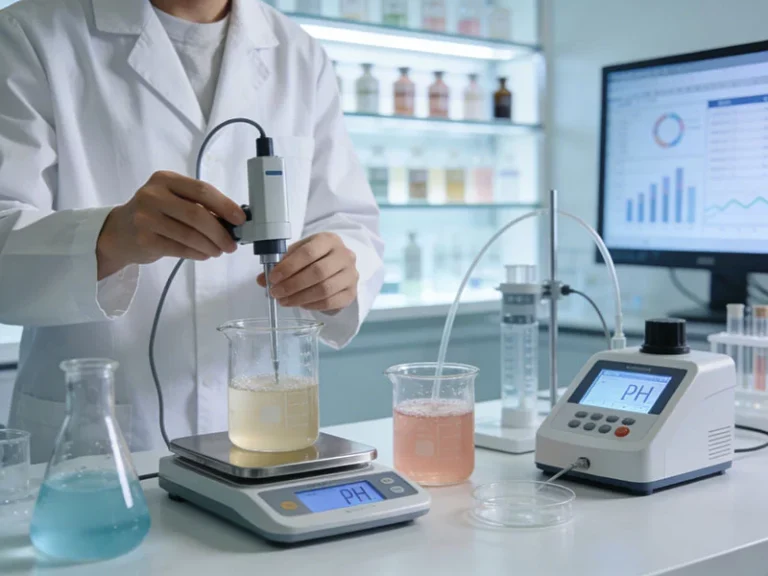
Contemporary leading shampoo factories have established independent, comprehensive R&D systems. In formulation labs, chemical engineers and scalp health experts collaborate to balance cleaning power and gentleness. The industry is currently moving towards “precision care,” developing specialized formulations for different scalp types (oily, dry, sensitive) and different hair types (damaged, fine, curly).
The use of innovative ingredients reflects a factory’s R&D strength. Beyond traditional surfactants and silicones, factory labs now focus more on natural extracts (like ginger, caffeine, plant essential oils) and functional ingredients (like anti-hair loss agents, sebum-control microparticles, heat protection agents). Leading shampoo factories collaborate with university research institutions to conduct clinical-level efficacy tests, ensuring each product not only feels good but also delivers visible results.
Automated Production Lines: The Art of Balancing Precision and Efficiency
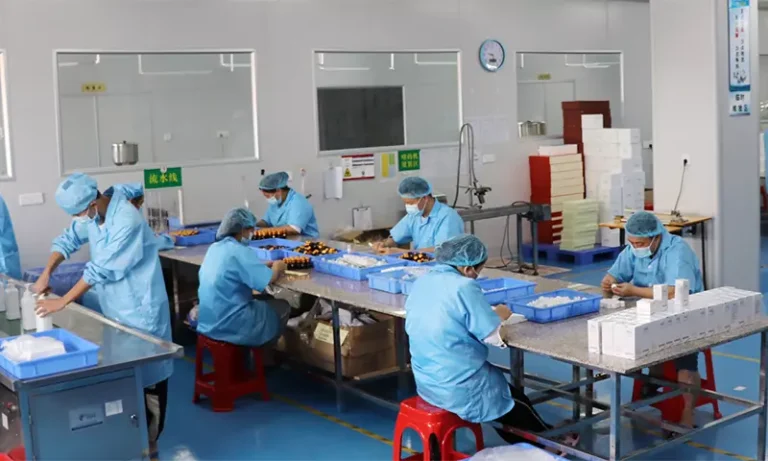
Upon entering a modern shampoo factory, the most striking feature is the highly automated production line. From raw material receiving to finished product output, the entire process is coordinated by a central control system. Liquid ingredients are precisely piped into reaction vessels, while solid components are transferred via vacuum systems to avoid contamination. Temperature, stirring speed, and addition sequence are computer-controlled to ensure batch-to-batch consistency.
The filling process also showcases industrial aesthetics. High-speed rotary filling machines, monitored by visual inspection systems, accurately place, fill, cap, and label bottles with millimeter precision. Some advanced shampoo factories have introduced flexible production lines capable of rapid switching between small-batch, multi-variant production requirements, meeting the current market’s need for personalization and rapid iteration.
How to Choose a Reliable Shampoo Factory Partner?
In-Depth Evaluation of Certifications and Quality Control Systems
When searching for a shampoo factory partner (OEM/ODM), brands must first verify the factory’s basic qualifications. Beyond a business license, more important are professional certifications like the Cosmetic Production License, GMPC (Good Manufacturing Practice for Cosmetics) certification, and ISO22716 (International Standard for Cosmetic Production) certification. These certifications are not just “paperwork” but represent the factory’s establishment of comprehensive systems covering personnel hygiene, equipment cleanliness, raw material control, production processes, and quality inspection.
A comprehensive understanding of the factory’s quality control lab is essential. Excellent shampoo factories implement three checkpoints: Raw Material Inspection, In-Process Inspection, and Finished Product Inspection. Raw materials are tested for composition, purity, and microbial load before production; key indicators like pH, viscosity, and stability are sampled periodically during production; finished products undergo accelerated stability tests (high/low temperature, light exposure), microbial limit tests, and heavy metal detection tests. Some factories also conduct packaging compatibility tests to ensure products remain in good condition throughout their shelf life.
Supply Chain Integration and Sustainability Capabilities
An excellent shampoo factory’s role isn’t limited to production; it also understands how to manage the entire supply chain. Starting from raw material procurement, a stable supplier network ensures continuity of supply and price stability for key ingredients (like specialty surfactants, functional additives). For brands using natural ingredients, the factory’s ability to provide traceable raw material supply chains becomes a significant factor.
The value of eco-friendly production capabilities is increasingly recognized by brands. Leading shampoo factories implement multiple sustainability measures: using renewable energy for power, establishing water recycling systems to reduce consumption, optimizing packaging to reduce plastic use, and treating wastewater to meet discharge standards. These green practices not only reduce environmental impact but also become unique selling points for brand marketing.
Future Trends in Shampoo Factories
Transformative Shift Towards Green Chemistry and Clean Label
Global consumer demand for “transparent” and “pure” products is driving fundamental changes in shampoo factories. The “clean label” trend requires factories to re-evaluate their formulation systems, phasing out controversial chemical ingredients (like some sulfates, parabens, silicone derivatives) in favor of gentler, biodegradable alternatives.
Green chemistry principles are being applied to production processes. Advanced shampoo factories have begun using supercritical CO2 extraction technology to obtain plant extracts, avoiding residual organic solvents; adopting low-temperature emulsification techniques to reduce energy consumption; and developing waterless or low-water formulations to reduce preservative use while lowering shipping costs. These innovations not only respond to market demands but also push the entire industry towards greater sustainability.
The Rise of Personalization and Digital Manufacturing
As consumer demand for customized products increases, shampoo factories are shifting from large-scale standardized production to flexible manufacturing. Digital technologies are making this shift possible: collecting consumer scalp data, lifestyle habits, and preferences through online questionnaires, creating custom formulations via AI algorithms, and rapidly adjusting production line parameters to manufacture small batches.
Some advanced shampoo factories have begun deploying “smart supply chains,” using IoT devices to monitor raw material inventory, production line status, and order progress in real-time. Predictive maintenance reduces equipment downtime, while blockchain technology ensures end-to-end traceability from factory to consumer. This digital upgrade not only enhances efficiency but also creates innovative opportunities for brands to connect directly with consumers.
Conclusion
As a fundamental pillar of the cosmetics industry, shampoo factories are undergoing a radical transformation from traditional manufacturing to technology-driven operations. Today’s factories are not just production sites; they are also R&D centers, sustainability practice bases, and supply chain hubs. For brands, choosing a partner requires looking beyond price considerations and focusing on the factory’s R&D capabilities, quality systems, and future adaptability. For consumers, understanding the production logic behind products enables more informed purchasing decisions.
In the future, with advancements in biotechnology, artificial intelligence, and circular economy practices, shampoo factories will continue to evolve. While ensuring product safety and efficacy, these factories will lead the entire industry towards greater personalization, transparency, and sustainability. The next time you pick up a bottle of shampoo, you might find yourself newly appreciating the complex scientific processes and business wisdom behind modern shampoo factories.