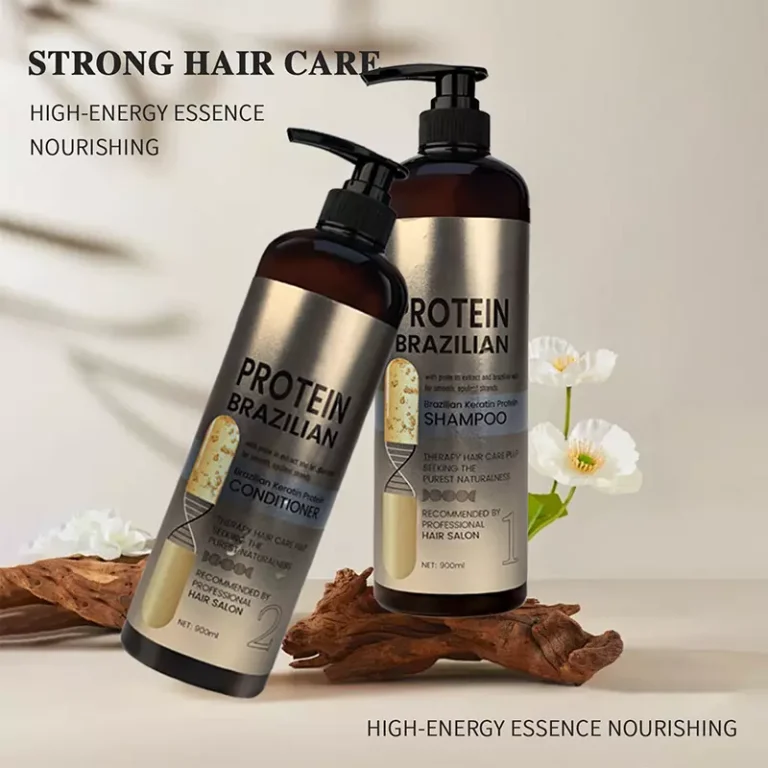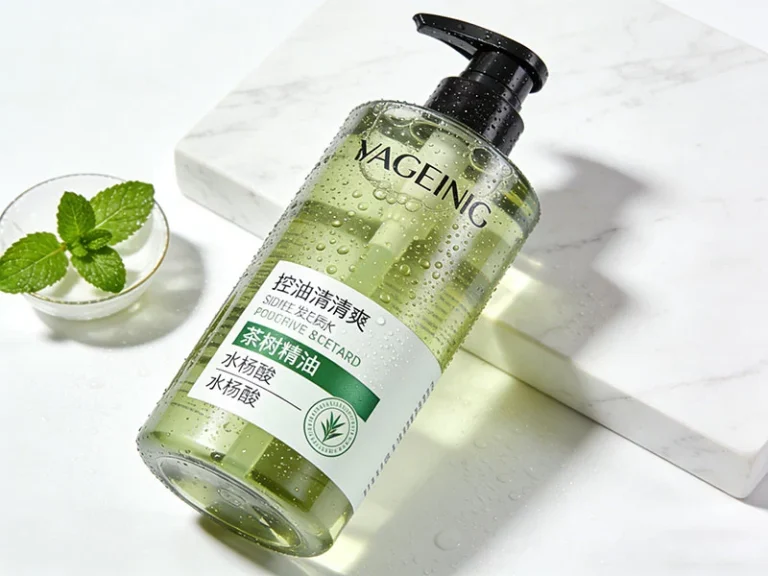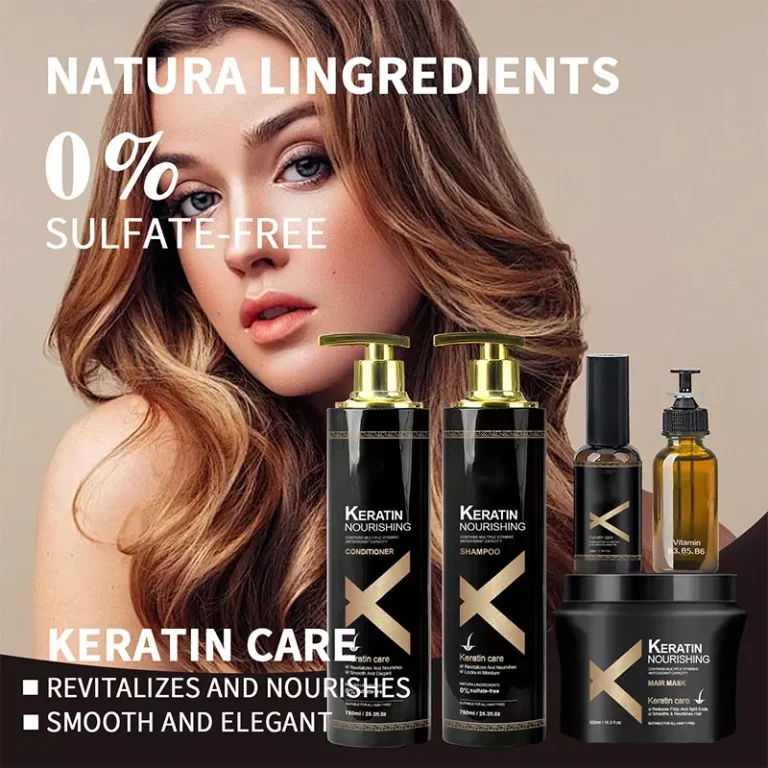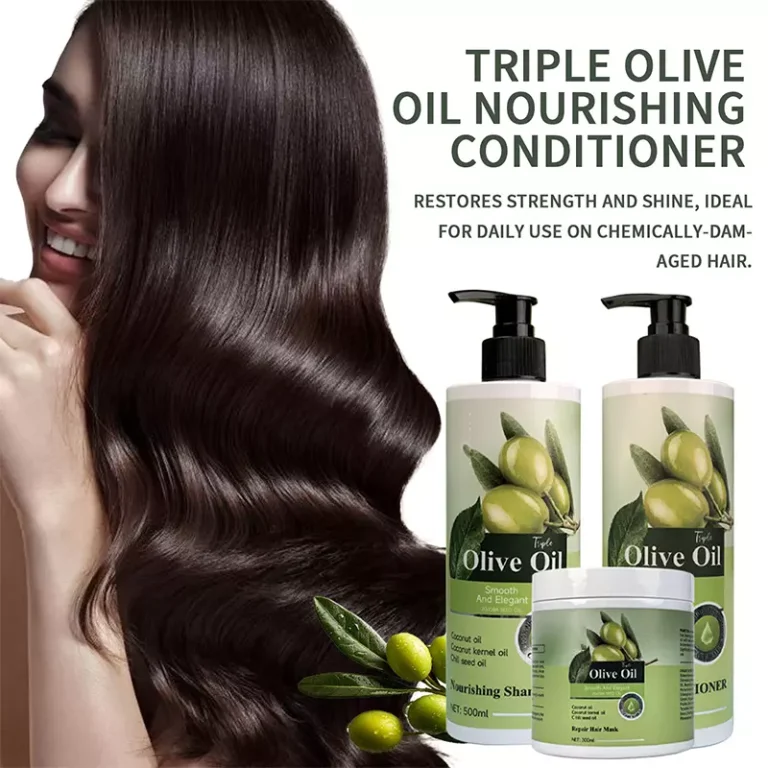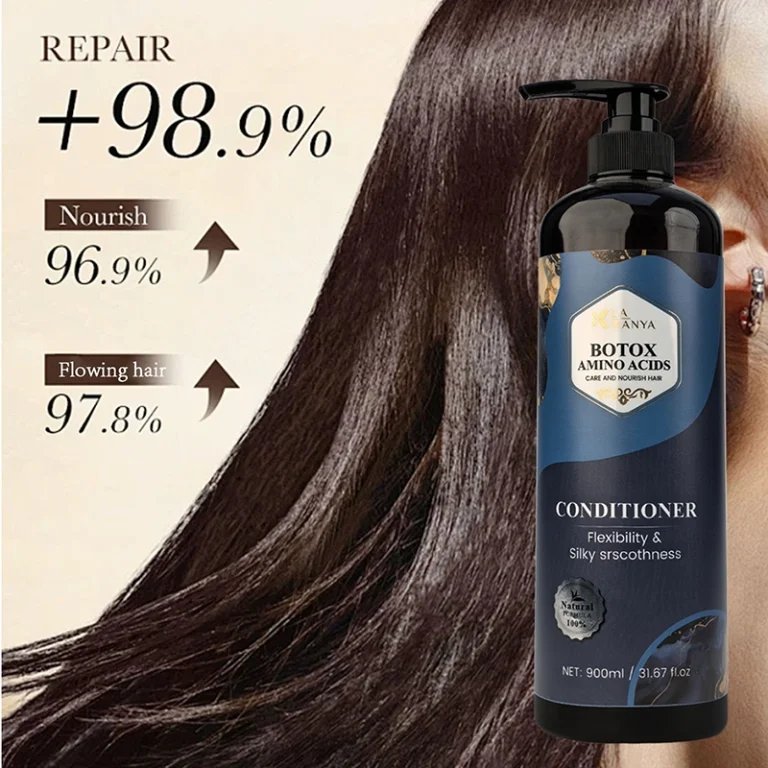
In today’s competitive personal care products market, shampoo brands increasingly rely on Original Equipment Manufacturers (OEMs) to reduce costs, accelerate time-to-market, and focus on their core competencies. Choosing the right shampoo OEM supplier impacts not only product quality but also directly affects the brand’s reputation and market share. This article details the key aspects of shampoo OEM suppliers, providing in-depth insights and practical advice to help you make informed decisions. The content is designed to align with Google’s SEO standards, boost keyword rankings, and deliver added value to readers.
What is a Shampoo OEM Supplier?
A shampoo OEM supplier is a company specialized in manufacturing shampoo products under contract. This company takes responsibility for R&D, production, packaging, and delivery of finished products according to the brand’s requirements and specifications. This collaborative model allows brands to launch their products quickly without investing in their own production lines, making it particularly suitable for startups, small and medium-sized brands, or companies looking to expand their product lines.
Definition and Advantages of Original Equipment Manufacturing (OEM)
Original Equipment Manufacturing (OEM) is a production model where a manufacturer produces goods sold under another company’s brand. In the shampoo industry, OEM manufacturers offer comprehensive services, from formula design to mass production. Advantages include:
- Cost Efficiency: Brands avoid high equipment and R&D costs, while OEM suppliers lower per-unit costs through economies of scale.
- Professional Expertise: OEM suppliers typically possess extensive industry experience and advanced technologies, ensuring products meet market standards and regulatory requirements.
- Flexibility and Speed: Brands can quickly modify their products based on market demand, reducing the time from idea to market and allowing them to capitalize on opportunities.
Specific Requirements for Shampoo OEM Manufacturing
As a personal care product, shampoo OEM production must meet stringent standards. Suppliers should focus on the following aspects:
- Ingredient Safety and Compliance: Ensure all ingredients comply with international regulations (such as US FDA, EU Cosmetics Regulation), avoid harmful substances, and adapt to different market needs.
- Formula Development: Develop effective formulas based on market trends (e.g., anti-hair loss, moisturizing, natural ingredients) while considering scalp health and environmental friendliness.
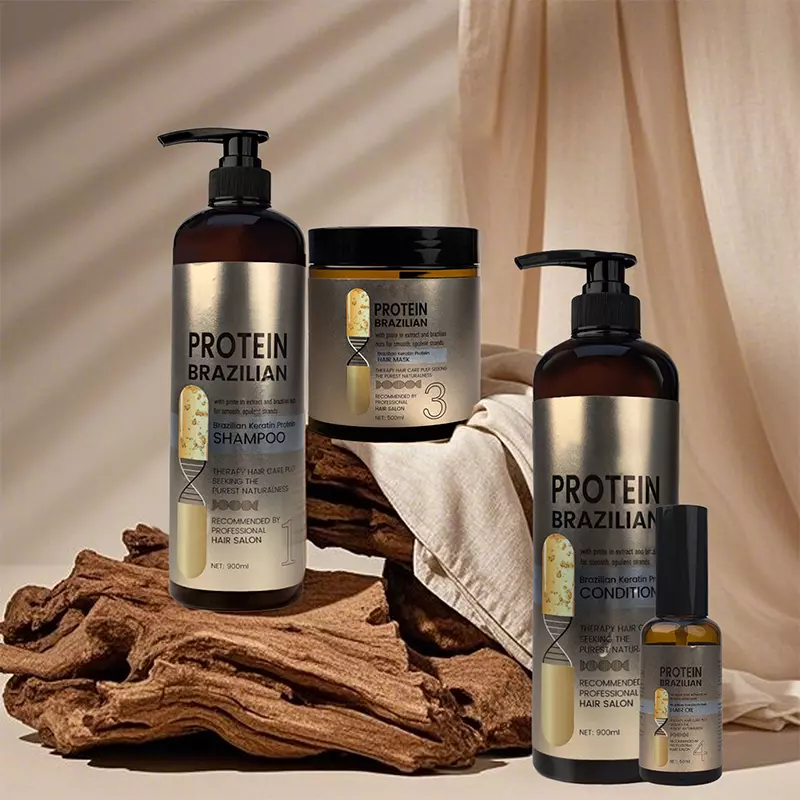
- Packaging and Brand Customization: Provide diverse packaging options and support custom brand designs to enhance product appeal.
How to Choose a Reliable Shampoo OEM Supplier?
Selecting the right shampoo OEM supplier is critical for success. Brands need to evaluate suppliers from multiple angles to ensure smooth collaboration and product quality. Here are the key selection criteria and evaluation steps.
Key Selection Criteria
When choosing a shampoo OEM supplier, focus on the following factors:
- Qualifications and Certifications: Suppliers should hold international certifications such as ISO 9001 (Quality Management System), GMP (Good Manufacturing Practices), and cosmetics-specific certifications (like EU CPNP registration) to ensure process standardization and product safety.
- R&D Capabilities: A strong R&D team can help brands innovate new formulas and adapt to market changes. Evaluate the supplier’s laboratory equipment, technical expertise, and past case studies.
- Production Capacity and Equipment: Assess the supplier’s production scale, equipment sophistication, and production flexibility. For example, can they handle small test batches or large volumes for cost reduction?
- Quality Control System: Suppliers should have rigorous quality control processes, including raw material inspection, production monitoring, and finished product testing, to ensure batch-to-batch consistency.
- Customer Service and Communication: Reliable suppliers provide transparent communication, quick response, and customized services, supporting brands throughout the entire process, from concept to delivery.
Supplier Evaluation Steps
To find the best shampoo OEM supplier, follow these steps:
- Market Research and Recommendations: Begin with preliminary checks through industry trade shows, online platforms (like Alibaba), or peer recommendations. Review their websites, customer feedback, and market reputation.
- On-Site Visits and Audits: If possible, visit the supplier’s production facilities to inspect equipment, hygiene conditions, and staff training. This helps verify their claimed capabilities.
- Sample Testing and Feedback Collection: Request samples for testing to assess product quality, formula efficacy, and packaging details. Gather user feedback to refine the product.
- Contract and Terms Negotiation: Clarify terms such as Minimum Order Quantity (MOQ), pricing, delivery timelines, and intellectual property protection to ensure fair and secure collaboration.
For a quick supplier comparison, here is a table based on common industry elements to assist brands in evaluation:
| Evaluation Factor | Supplier A (Example) | Supplier B (Example) | Supplier C (Example) |
|---|---|---|---|
| Minimum Order Quantity (MOQ) | 5000 bottles | 10000 bottles | 3000 bottles |
| Certifications | ISO 9001, GMP, FDA | ISO 9001, EU CPNP | ISO, QC |
| R&D Capability | Strong Lab (In-house) | Moderate (Partially Outsourced) | Strong (Focus on Natural Formulas) |
| Production Equipment | Fully Automated Production Line | Semi-Automatic Equipment | Advanced Filling and Packaging Line |
| Quality Control | Rigorous Testing per Batch | Basic Testing, Sample Testing | Comprehensive, from Raw Materials to Finished Products |
| Price Range | Medium (Good Value) | Low (May Impact Quality) | High (Premium Customization) |
| Customer Service | 24/7 Support, Dedicated Account Manager | Weekday Response | Flexible, Supports Small Quantity Customization |
Note: This table is based on general industry data; actual suppliers may vary. Evaluation based on specific needs is recommended.
Key Processes in OEM Shampoo Production
OEM shampoo production involves multiple stages, each requiring expertise and meticulous management. Understanding these processes helps brands collaborate more effectively with suppliers and ensure products meet expectations.
Research and Development
R&D is the core of OEM shampoo production, determining product efficacy and market competitiveness. This process includes:
- Requirements Analysis: The brand and supplier discuss target markets, consumer preferences (e.g., anti-dandruff, hair softening), and budgets to define the product’s market positioning.
- Formula Development: The supplier’s R&D team selects suitable ingredients (e.g., surfactants, moisturizers) based on scientific principles and market trends, conducting laboratory tests to refine formulations.
- Stability and Safety Testing: Formulations undergo accelerated aging tests, skin irritation tests, and others to ensure product stability and safety throughout its shelf life. This stage may take weeks but is critical.
Production and Quality Control
Once the formula is finalized, production begins with the application of an integrated quality control system:
- Raw Material Sourcing: Suppliers ensure ingredients are sourced from reliable sources, meeting specifications and regulations. For example, natural ingredients require organic certification.
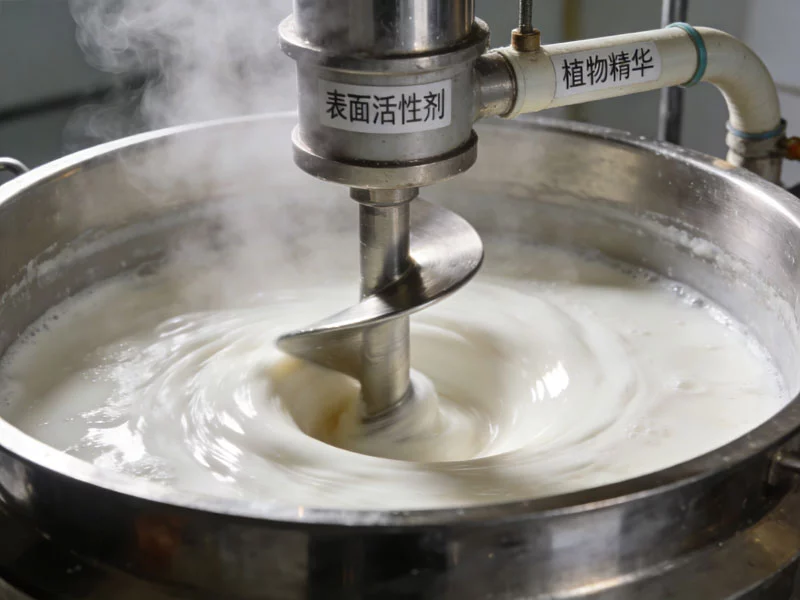
- Batch Production: Ingredients are mixed, heated, cooled, and then bottled in a GMP-compliant environment. Automated equipment improves efficiency and reduces contamination risks.
- Packaging: Bottling and packaging are completed according to brand design, including bottles, pumps, and labels. Suppliers must inspect packaging integrity and information accuracy.
- Final Inspection and Shipping: Finished products undergo physical, chemical, and microbiological testing. Upon approval, logistics are arranged for delivery. Suppliers provide inspection reports to ensure transparency.
Industry Trends and Innovations
The OEM shampoo manufacturing industry is evolving rapidly, driven by consumer demands and technological advancements. Understanding these trends helps brands collaborate with suppliers to develop innovative products.
Rise of Natural and Organic Ingredients
As consumer interest in health and sustainability grows, natural, organic, and non-toxic ingredients are becoming mainstream:
- Market Demand: The global natural shampoo market is expected to grow at a CAGR of 8%, with brands increasingly demanding plant extracts, essential oils, and biodegradable ingredients from suppliers.
- Supplier Response: Top OEM suppliers invest in sustainable sourcing and green chemistry, avoiding controversial ingredients like sulfates and parabens during formula development. This attracts consumers and meets stringent regulations.
- Challenges and Opportunities: Natural ingredients may increase costs and cause stability issues, but through innovations like micro-emulsification technology, suppliers can deliver effective and gentle products.
Personalization and Customization Trends
Personalized care is revolutionizing the shampoo market, necessitating OEM suppliers to adapt to this shift:
- Consumer Demand: Consumers increasingly seek custom formulas for specific hair types (e.g., oily or damaged) or needs (like anti-hair loss and color protection). Brands use surveys or AI tools to gather data and collaborate with suppliers to produce exclusive products.
- Technology Integration: Suppliers leverage big data and smart manufacturing to enable small-batch production with multiple options. For example, flexible production lines allow quick switching between formulas and packaging, reducing inventory risks.
- Brand Collaboration Examples: Some emerging brands closely collaborate with OEMs to launch subscription box services, delivering custom shampoo types monthly. This enhances customer loyalty and drives innovation.
Conclusion
Choosing the right OEM shampoo manufacturer is a critical step for brand success. By understanding the advantages of OEM, selection criteria, production processes, and market trends, brands can build long-term, mutually beneficial partnerships. Focus on supplier qualifications, R&D capabilities, quality control, and use tools like comparison tables for evaluation. As the market shifts towards natural and personalized solutions, collaborating with innovative suppliers will help brands maintain competitiveness. Ultimately, careful selection and ongoing communication ensure high-quality, safe products that meet consumer expectations, improving the ranking of the keyword “shampoo OEM supplier” in Google search results and attracting more potential customers.