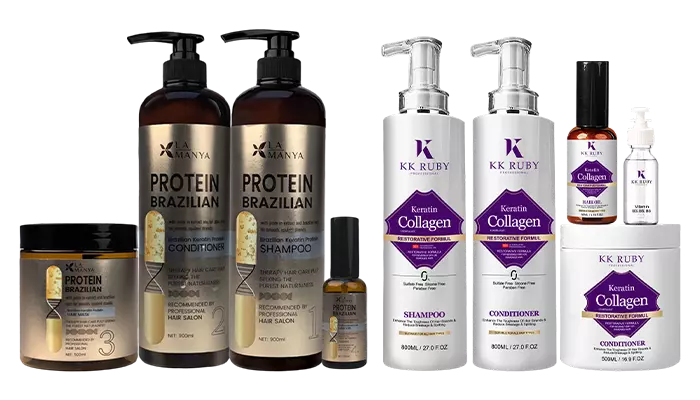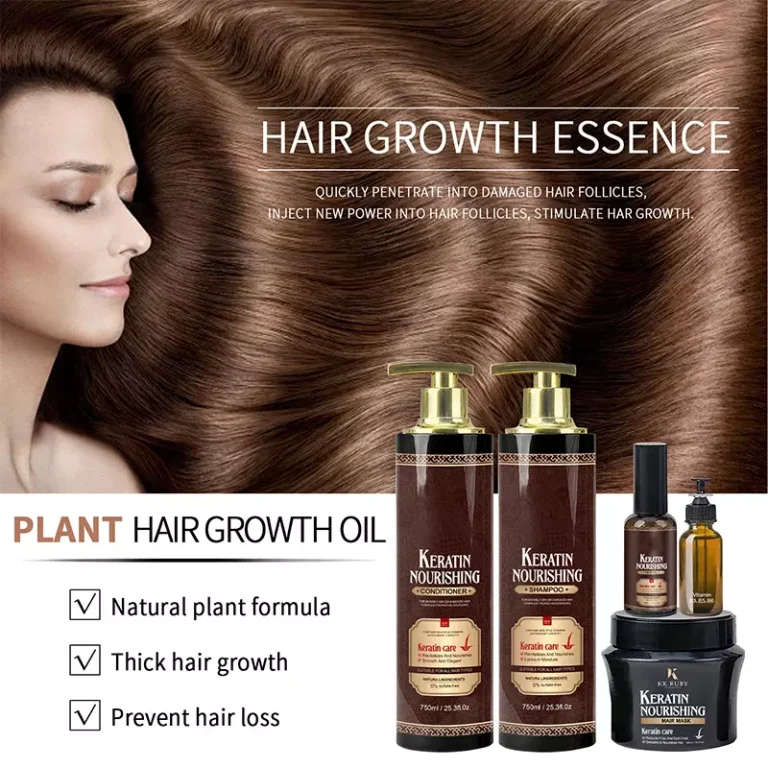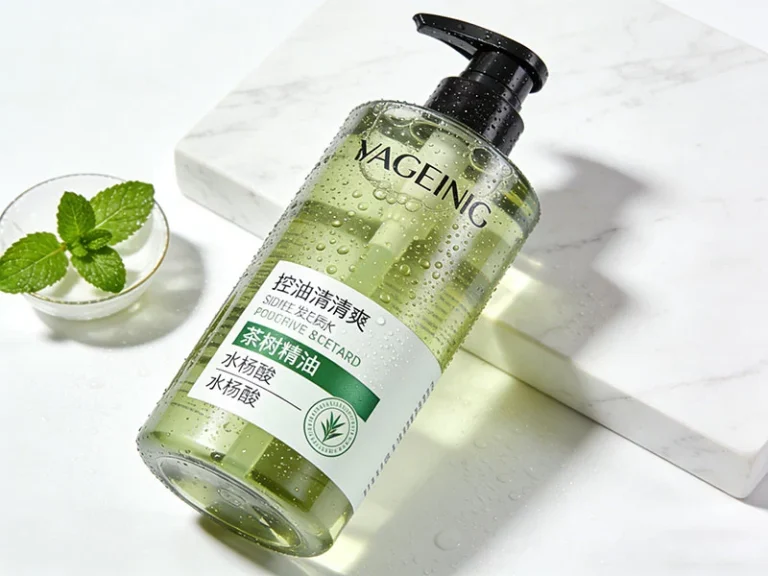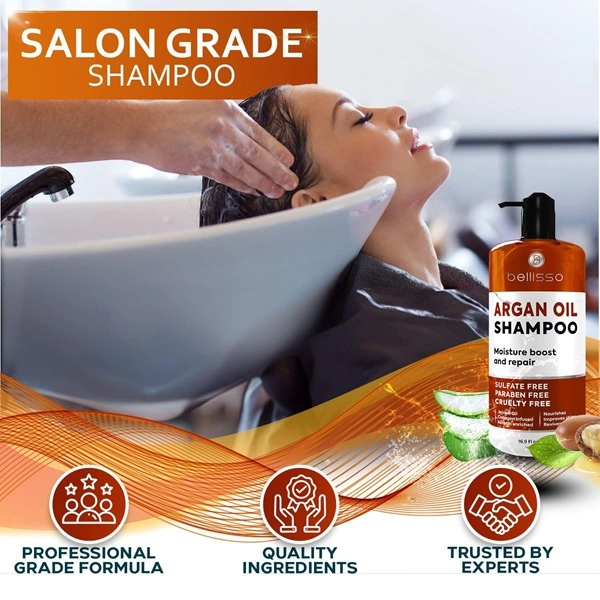
In the fast-evolving hair care sector, the era of uniform products is over. Emerging brands and high-end salons are increasingly turning to the expertise of small-scale shampoo factories to gain a competitive edge. This shift is not just about reducing production volumes; it includes flexibility, precision, and the ability to launch “clean beauty” products that resonate with modern consumers.

This guide explores why small-batch manufacturing is the future of hair care and how to choose a partner that ensures your brand’s success.
Why is a Small-Batch Shampoo Factory the Secret to Brand Growth?
The most successful emerging hair care companies today do not start by producing 50,000 units. They start with small batches, test quickly, and scale based on data.
Reducing Financial Risk and Inventory Waste
Traditional manufacturing requires massive upfront capital. By collaborating with a small-batch shampoo factory, you can significantly lower minimum order quantities. This prevents capital from being tied up in unsold inventory, allowing you to redirect funds towards marketing and acquiring new customers.
Rapid Response to Market Trends
Whether it’s the sudden rise of “scalp microbiome” awareness or the emergence of a trending new ingredient like fermented rice water, a small-batch shampoo factory can pivot your production line within weeks, not months. This flexibility ensures your brand stays ahead of the curve, not just following it.
Technical Excellence in Small-Batch Production
Small-batch production does not mean “handmade” in a home kitchen. In 2026, professional small-batch shampoo factories use advanced technologies to ensure every bottle meets salon standards.

Flexible Manufacturing Systems (FMS) and Precision
Leading factories use modular filling lines and high-shear mixers specifically designed for small batches. This equipment reduces product waste in pipelines, ensuring high productivity even for orders as small as 500 units.
Advanced Stability and Efficacy Testing
Reliable small-batch shampoo factories have an in-house R&D department. Every new formula undergoes rigorous stress testing, including:
- pH Balancing: Essential for scalp health (typically 4.8 to 5.5).
- Preservative Challenge Tests: To ensure your “natural” formula remains usable for over 24 months.
- Viscosity Control: To maintain the ideal texture.
Cost Comparison: Small-Batch vs Mass Production
To help you budget effectively, we’ve outlined the typical cost structure for working with a small-batch shampoo factory for a 1000-unit production.
| Category | Description | Cost Weight | ROI Strategy |
| Formula | Custom R&D and raw materials (actives/surfactants) | 35% – 40% | Invest in “signature ingredients” to justify premium pricing. |
| Packaging | Bottles, pumps, printing/silk-screen labeling | 25% – 30% | Use standard bottle shapes with distinctive labels to save on mold costs. |
| Compliance | Material Safety Data Sheets (MSDS), microbiological testing, GMPC | 15% – 20% | Non-negotiable requirement for entering retail or Amazon markets. |
| Labor & Overhead | Factory processing fees, cleaning, setup | 10% – 15% | Transparent pricing reflects cleanroom environment quality. |
How to Evaluate a Small Shampoo Factory
Not all factories are equal. When choosing a partner for a hair care product line, look for these three essential pillars:
Certifications and GMPC (Cosmetic Good Manufacturing Practices) Compliance
A reputable small shampoo factory must operate to GMPC or ISO 22716 standards. This ensures your product is manufactured in a sterile, controlled environment, protecting your brand from contamination lawsuits.
Ingredient Transparency and Sourcing
In the 2026 market, “clean beauty” is the baseline. Ask your small shampoo factory if they use RSPO-certified palm oil, biodegradable surfactants, and sulfate-free bases. A factory with a strong supply chain can provide the documentation your customers demand.
The Future of Customization: AI and Personalized Hair Care
Integrating AI-powered customization technologies is the next step for small-batch shampoo factories.
Data-DrivenFormulas
Modern factories use data to adjust shampoo formulas based on regional water hardness or specific climate needs (like anti-frizz solutions for high humidity conditions). This level of bespoke formulation is only achievable in small-batch shampoo factories.
Sustainable Packaging Innovations
Small-scale production partners are leading the charge in developing “waterless shampoos” (as bars or concentrates) and refillable glass packaging. By choosing a factory that prioritizes sustainability, you anchor your brand’s values for Gen Z and Alpha.

Conclusion: Launch Your Flagship Product
Choosing a small-batch shampoo factory is a strategic investment in your brand’s longevity. It enables you to maintain high quality control standards while staying flexible and responsive to the market’s changing demands.