In today’s diverse and highly competitive OEM (Original Equipment Manufacturing) shampoo market, the ability for flexible customization is crucial. It not only meets the personalized needs of different clients but also helps OEM shampoo factories stand out. Below is an exploration of several ways to achieve flexible customization in OEM shampoo manufacturing.

I. Building a Diverse Production Line Foundation
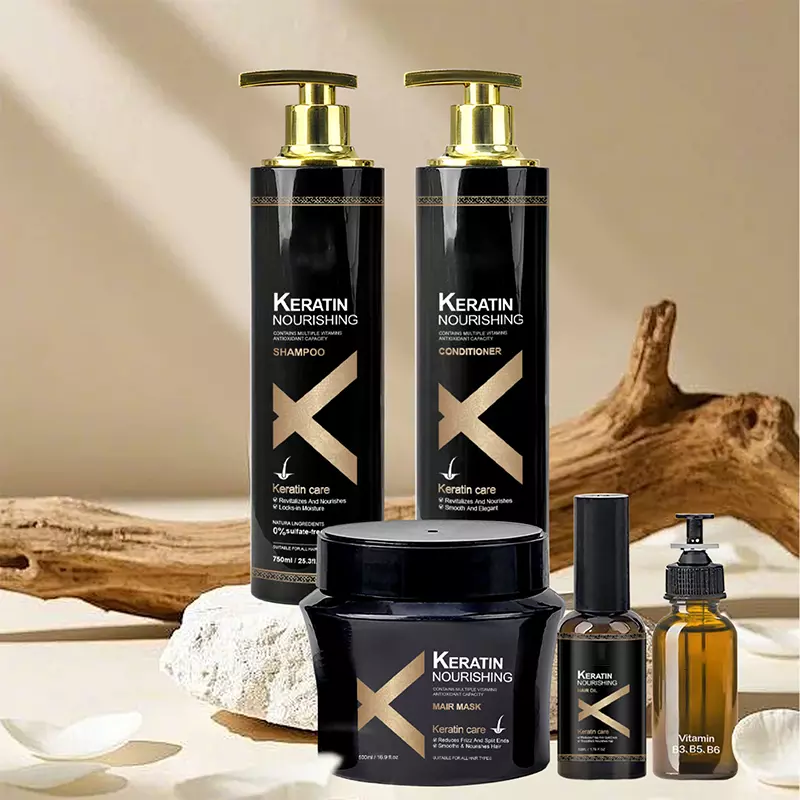
To achieve flexible customization, an OEM shampoo factory must first build a diverse production line foundation. This includes a rich reserve of raw materials, from common surfactants and humectants to specialized functional ingredients. Simultaneously, the OEM factory must master various formulation techniques, enabling the scientific combination of different raw materials to develop shampoo formulas suitable for different hair types and efficacy needs. Furthermore, diverse packaging formats are a crucial part of a diverse production line, including packaging in different sizes, materials, and design styles to meet client needs in different sales scenarios and target audiences.
II. Optimizing Production and Management Processes
Efficient and flexible production and management processes are a key factor in achieving customization. An OEM shampoo factory should introduce advanced production equipment and automated control systems to improve production precision and efficiency. Through modular production design, we divide the shampoo production process into several independent units, such as raw material mixing, stirring, and filling. We can flexibly combine and adjust these units according to different customization needs. Moreover, we establish a comprehensive production management system to dynamically adjust production plans and monitor progress in real-time, ensuring production tasks meet client requirements.

III. Establishing a Close Client Communication Mechanism
Maintaining close communication with clients is an important aspect of achieving flexible customization. Before starting a project, the OEM shampoo factory conducts in-depth needs assessments to understand clients’ specific requirements and expectations regarding product efficacy, fragrance, packaging, and price. During project execution, we regularly communicate with clients about production progress and sample status, obtaining timely feedback and making adjustments and improvements accordingly. Simultaneously, we create client files to record their past needs and preferences, providing a reference for future cooperation and enhancing the targeting and efficiency of customized services.
IV. Conclusion
Achieving flexible customization for an OEM shampoo factory requires a multi-faceted approach, including building a diverse production line, optimizing production and management processes, and establishing a close client communication mechanism. By continuously improving customization capabilities, an OEM shampoo factory can better meet clients’ personalized needs, gain an advantage in the fierce market competition, and achieve sustainable development.