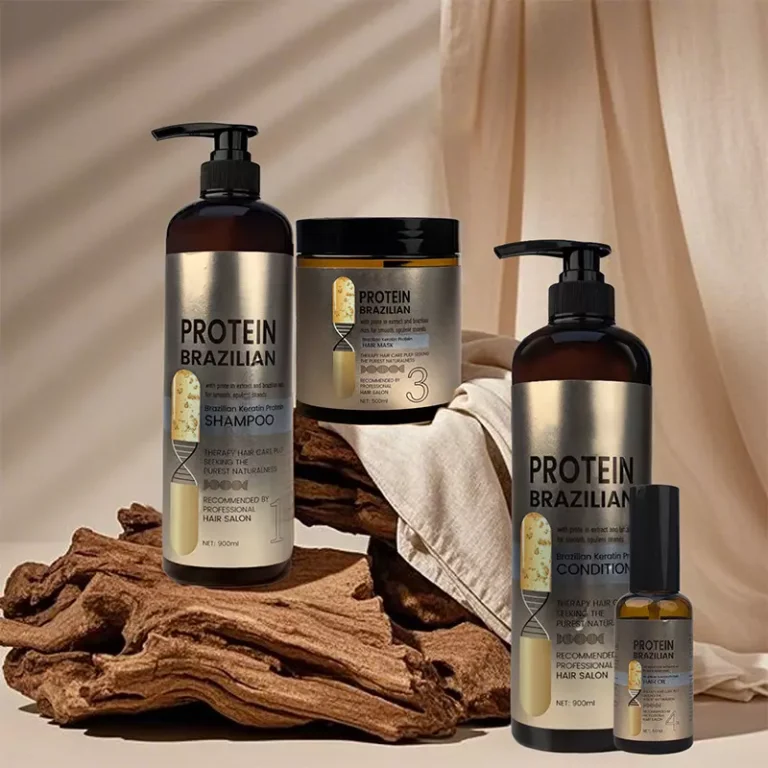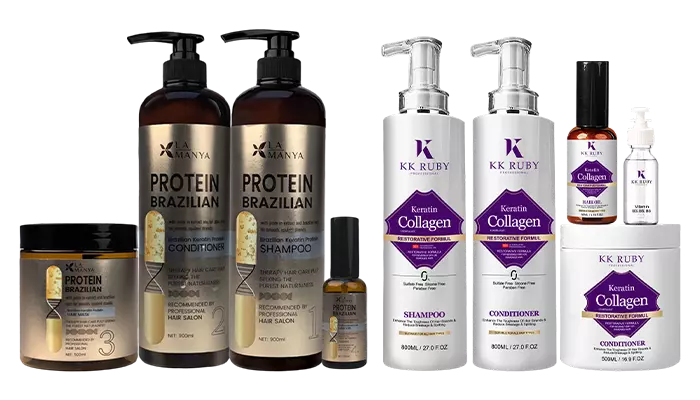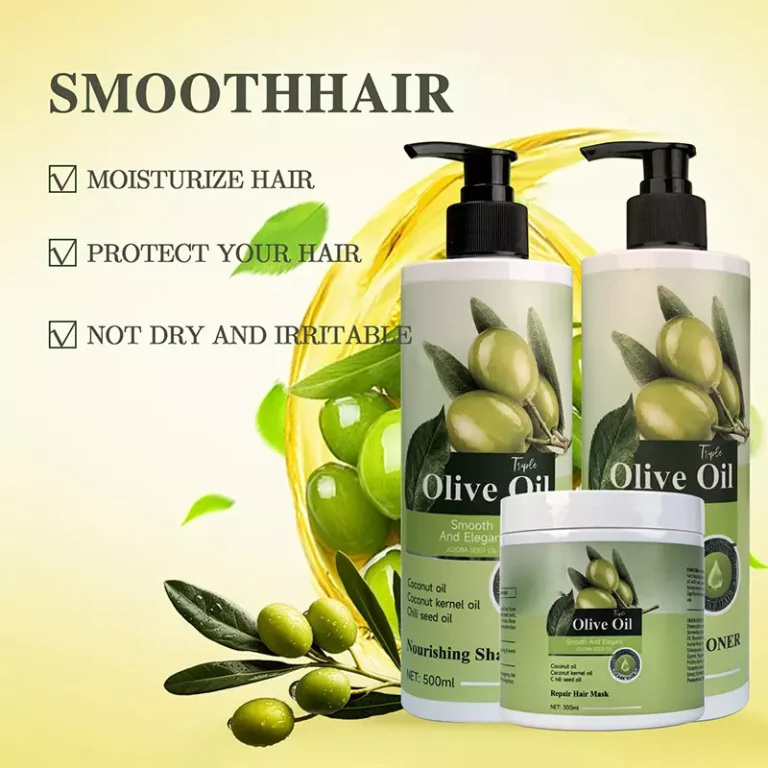
In today’s highly competitive personal care market, the launch of a successful shampoo is rarely a stroke of luck. It is the result of a strategic partnership with a shampoo manufacturer possessing a core competitive advantage.
As consumer demand grows for more sophisticated ingredients (like sulfate-free, amino acids, ginger, caffeine) and specific functions (oil control, anti-hair loss, anti-dandruff), finding a high-quality manufacturer offering comprehensive OEM/ODM services is key to a brand’s survival. This article delves into the rationale behind the shampoo manufacturing industry to help you find your “golden partner” in the global supply chain.
Core Competitive Advantage: R&D and Formula Innovation
An excellent shampoo factory is not just a “packaging workshop”; it is an advanced laboratory.
1. From Basic Cleansing to “Medical” Formulas
The era of “one shampoo for the whole family” is over. Leading shampoo factories conduct research on the scalp microbiome to develop custom formulas for dry, oily, and sensitive scalps. For example, nano-emulsification technology improves the absorption rate of active ingredients. When choosing a factory, prioritize manufacturers with independent patents and the ability to quickly adapt to market trends, such as clean cosmetics.
2. Raw Material Sourcing and Traceability
A great product starts with great ingredients. Top factories collaborate directly with global chemical giants like BASF, Symrise, and Lubrizol. This not only ensures the stability of the shampoo’s performance but also provides better control over manufacturing costs. The presence of a raw material traceability system in the factory determines your brand’s compliance with increasingly stringent global regulations.
Equipment and Quality Control: The Lifeline of Your Brand
If you aspire to build a long-lasting brand, the factory’s equipment is your first line of defense against product recalls and consumer complaints.
1. The Importance of GMPC-Certified Clean Rooms
Shampoo, being a water-based product, is susceptible to microbial contamination. Therefore, professional shampoo factories must be equipped with GMPC-certified purification workshops of Class 100,000 (or higher). From secondary reverse osmosis systems for ultrapure water to vacuum emulsifying mixers, microbial levels must be precisely controlled at every step. This directly affects your product’s shelf life and safety.
2. Rigorous QA/QC Testing Protocols
Before any batch leaves the factory, it must undergo physical and chemical indicator tests, centrifugal stability tests, heat/cold resistance tests, and microbial challenge tests. Advanced partners also provide efficacy evaluation reports (such as anti-hair loss certificates or clinical data for oil control), which form the legal basis for your marketing claims on e-commerce platforms.
Customization in OEM/ODM: From Small Batch to Mass Production
The factory’s service model must be flexible enough to accommodate both startups and established companies.
1. Low Minimum Order Quantities (MOQs) and Flexible Supply Chains
For cross-border e-commerce sellers (like Amazon, Shopify) or TikTok influencers, market testing with small batches is essential. An excellent factory provides flexible customization for low MOQs, allowing you to enter the market with minimal risk. At the same time, the factory must have the capacity to scale to over 100,000 units daily when demand goes viral to avoid stockouts.
2. Integrated Brand Positioning and Packaging Design
Beyond bottle filling, advanced shampoo factories offer comprehensive solutions—from brand positioning and packaging design to container sourcing. This ODM model enables investors with no prior industry experience to transition from an idea to a market-ready finished product within 30 to 45 days.
Global Market Trends for 2026: Is Your Factory Keeping Up?
To stay ahead, you need a forward-looking factory partner that anticipates market shifts.
1. Green Sustainability and Eco-Friendly Packaging
Reducing plastic use, biodegradable materials, and post-consumer recycled packaging are global requirements. Leading factories are now implementing eco-friendly pump designs and refillable pouches, helping brands achieve added value by focusing on sustainability.
2. The Rise of Scalp Care Products Becoming Part of Skincare
“Turning hair into skin” is currently the hottest trend. Your factory’s success in capturing the premium scalp care market share hinges on its ability to develop serums, scrubs, and products rich in peptides and ceramides.
Conclusion: How to Choose the Perfect Shampoo Factory?
Choosing a factory is not about finding the most expensive or the cheapest; it’s about finding the factory that understands your specific needs.
- Check the Lab: The size and expertise of the R&D team.
- Inspect the Workshop: The level of automation and hygiene standards.
- Review Case Studies: Have they previously manufactured for well-known brands or leading products in their category?
- Evaluate the Service: Response speed and crisis management capabilities.
If you’re planning to launch your own shampoo brand or need to upgrade your current production line, our team of experts is ready to provide professional advice in this field and a customized quote.