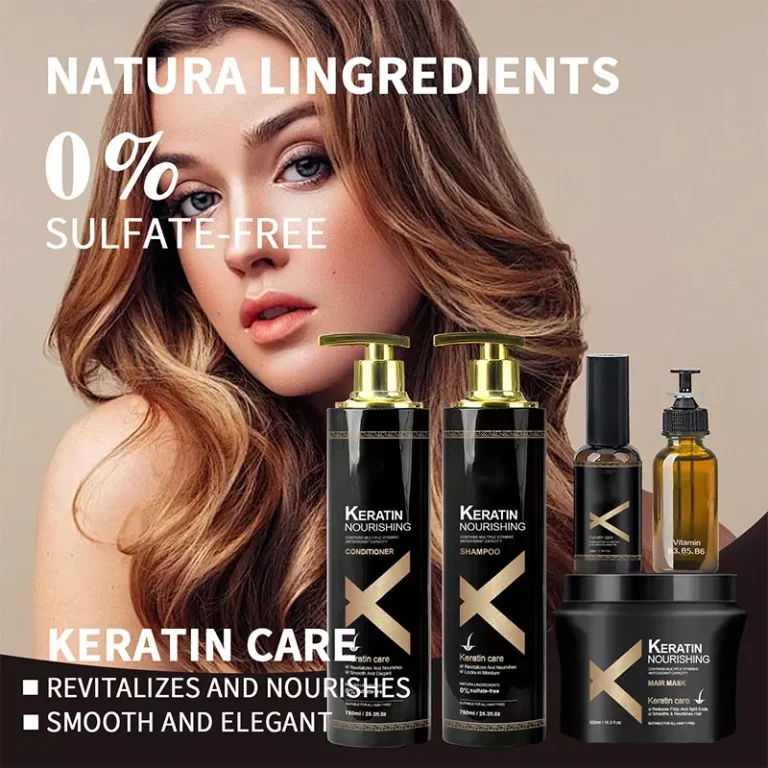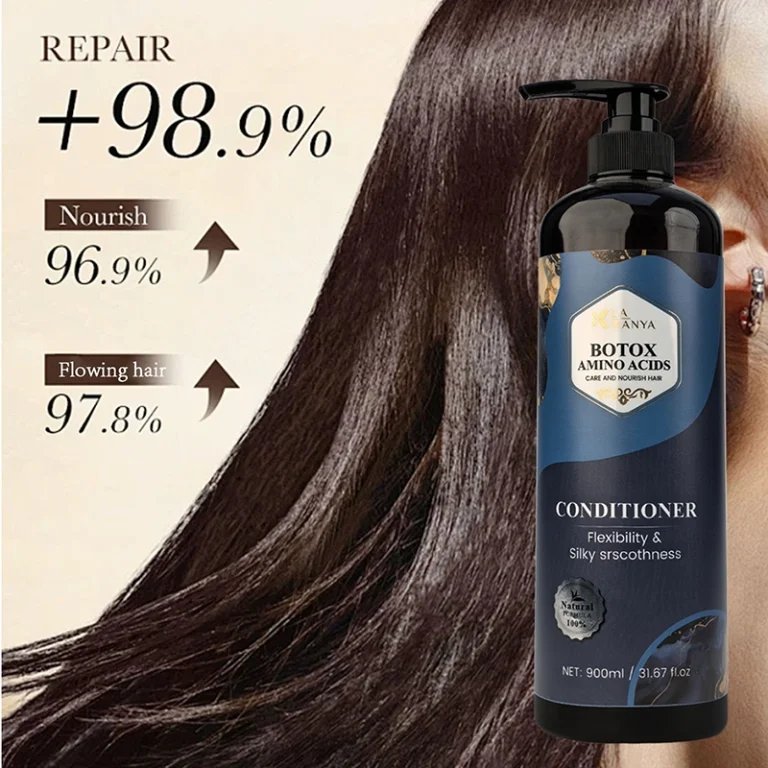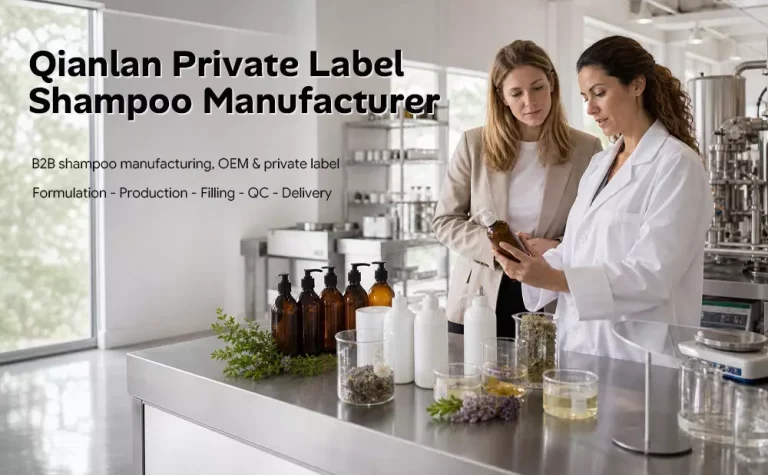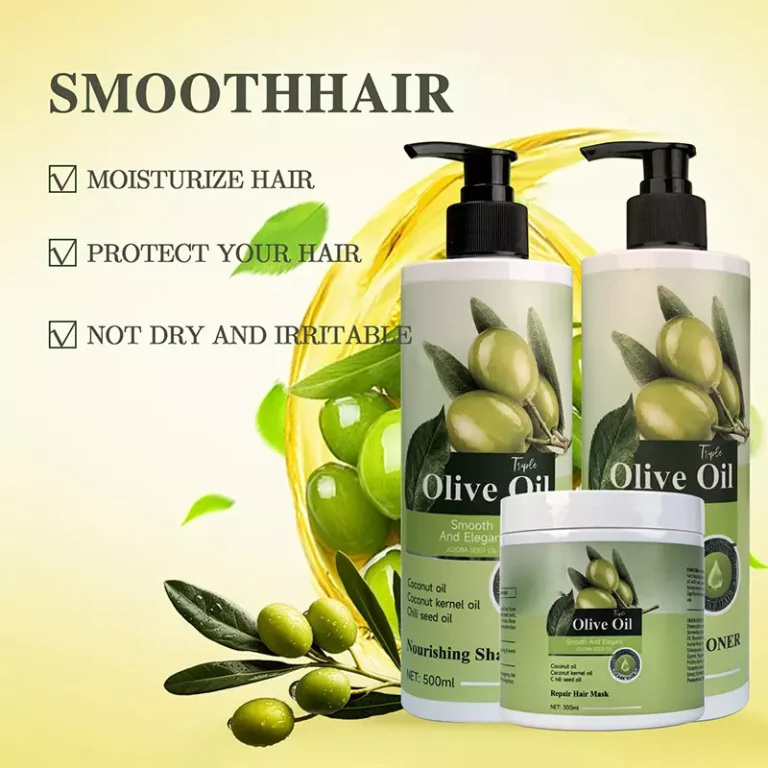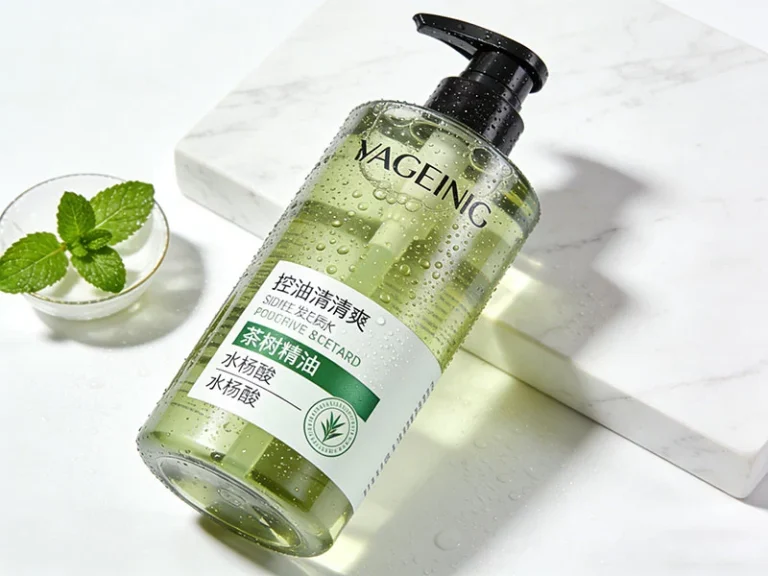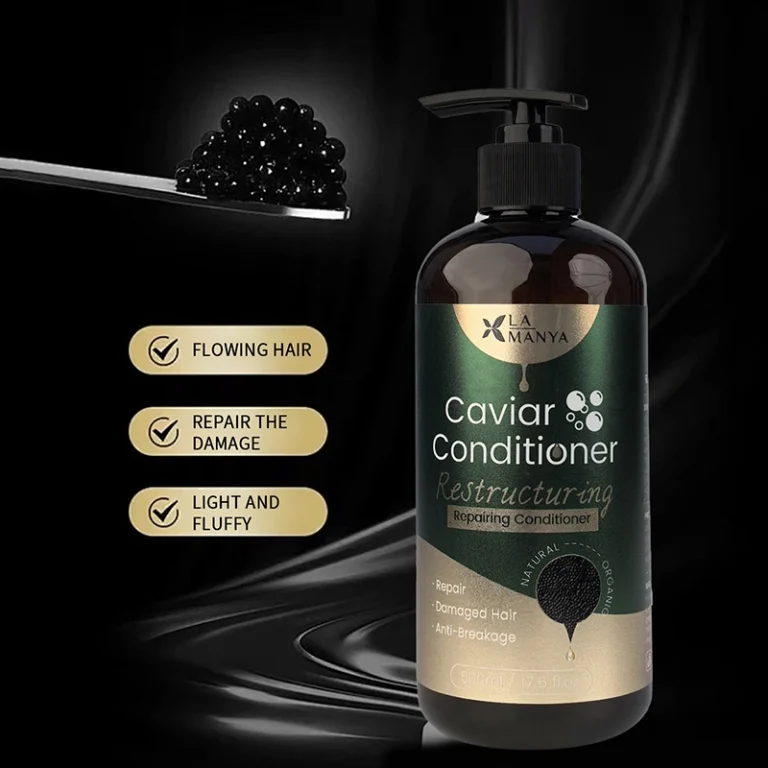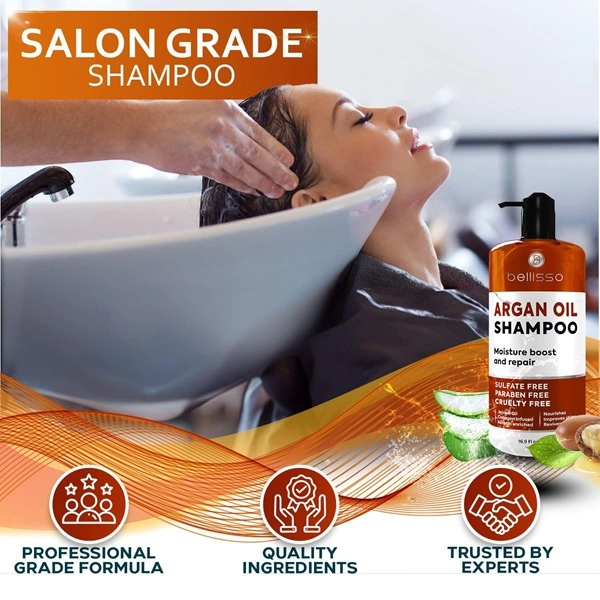
Launching one shampoo is a strong start, but most successful hair-care brands do not stop at a single bottle. They grow into a full regimen—conditioner, mask, serum, styling cream. Building that lineup in-house means labs, stability testing, and capital you may not have. A private label hair care products partner lets you extend your range quickly, under your own name, without owning a factory.
Why expand the line at all
Repeat purchase is what makes a hair-care brand profitable. A customer who buys shampoo but finds no matching conditioner is one step from leaving. A complete regimen keeps them inside your ecosystem and raises lifetime value. Private label makes that expansion affordable: you reuse an established manufacturing base and formulation library instead of starting from zero for every SKU.
What “private label” covers in hair care
Private label is not limited to shampoo. A capable manufacturer can produce a wide range of formats:
– Conditioner and mask — rinse-off and leave-in treatments
– Hair serum and oil — lightweight, concentrated finishes
– Styling products — cream, mousse, and spray
– Scalp care — toner, scrub, and treatment
Each format shares your packaging, logistics, and brand language, so adding SKUs is incremental rather than disruptive.
How the process works
The path mirrors a shampoo launch. You brief the manufacturer on target hair type, claims, and texture. They propose a base formula from their library or customize one. You approve samples, finalize packaging, and schedule production. Because the manufacturer already runs QA and compliance, your team focuses on brand and go-to-market.
If you want deeper differentiation than a base formula allows, a custom shampoo manufacturer can develop a unique formula rather than adapting an existing one—useful when your hero claims must be exclusive.
Avoiding the “me-too” trap
Private label only helps if the result feels distinct. Protect your differentiation with three habits:
1. A clear regimen story — shampoo, conditioner, and treatment that visibly belong together.
2. Consistent packaging — same bottle shape, color system, and copy voice across the line.
3. Targeted claims — “bond-building” or “curl definition” beats generic “nourishing.”
Our guide to private label shampoo manufacturing covers the foundation; the same logic applies as you add SKUs.
MOQ and a staged rollout
You do not need to launch everything at once. Start with shampoo plus conditioner, prove demand, then add a mask. Low minimum order quantities let you test a new SKU with limited risk. This staged approach keeps cash flow healthy while you learn which formats your customers actually want.
Quality and compliance still matter
Hair-care products touch skin and eyes, so compliance is non-negotiable. Work with a manufacturer that holds relevant certifications such as GMPC or ISO, runs microbial and stability testing, and documents ingredient safety. Ask for batch records so every SKU is traceable.
Choosing the right manufacturing partner
Not every factory handles the full hair-care range well. When evaluating, check format coverage, claim support, scale headroom, and communication speed. A partner that samples quickly and explains timelines clearly will shorten your launch cycle more than a slightly lower price from a slow one. Ask to see existing Regimen examples they have produced for other brands (under NDA) so you can judge whether their range work feels premium or generic.
Cost structure you should expect
Private label pricing typically blends a base formulation cost, packaging, and a per-unit production fee. Volume is the biggest lever: higher MOQ lowers unit cost but raises upfront spend. A staged launch lets you tune this trade-off as real demand appears, rather than betting on a forecast. Budget for packaging separately—bottles and pumps are often the largest single line item, not the formula.
Packaging as a growth lever
Packaging is where a private label line earns shelf presence. Coordinated bottle shapes, a consistent color system, and a clear hierarchy of claims make a three-SKU regimen look like a brand, not a pile of bottles. Invest in structural and graphic design early; it pays back across every format you add later.
Common expansion mistakes
– Launching too many SKUs before any sells, tying up cash in slow movers
– Letting each format drift in tone so the regimen feels incoherent
– Choosing claims no manufacturer can substantiate, inviting compliance risk
– Ignoring refill or larger sizes that loyal customers eventually want
Building a brand, not a catalog
The goal is not to list every possible product. It is to build a coherent brand customers trust. Choose formats that fit your positioning, keep quality consistent, and let your manufacturer handle production complexity. With the right private label hair care products partner, a one-bottle startup can become a full shelf in a single season—without a factory of your own. The brands that win are rarely the ones with the most SKUs, but the ones whose lineup feels intentional from the first pump to the last.
- Professional Shampoo Manufacturer: Innovative solutions to meet all your hair care needs
- Unlocking the shampoo industry: the science and business logic from the production line to the market
- From concept to bottle design: We collaborate with professional shampoo manufacturers to customize your luxury hair care products
- Recommended high-quality shampoo manufacturers: Choosing the right partner leads to brand success
- Chinese shampoo manufacturers are known for their excellent production and high quality assurance