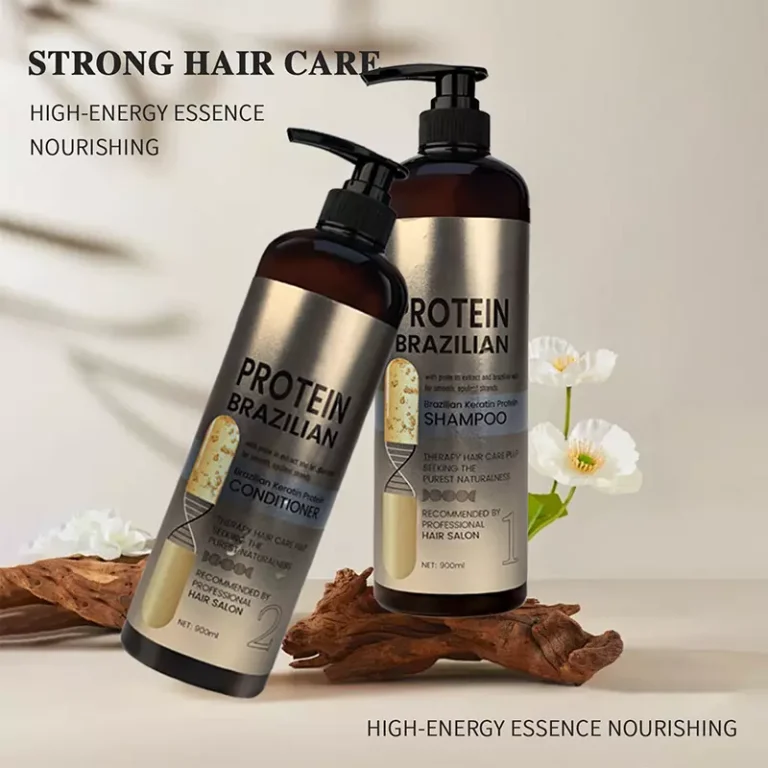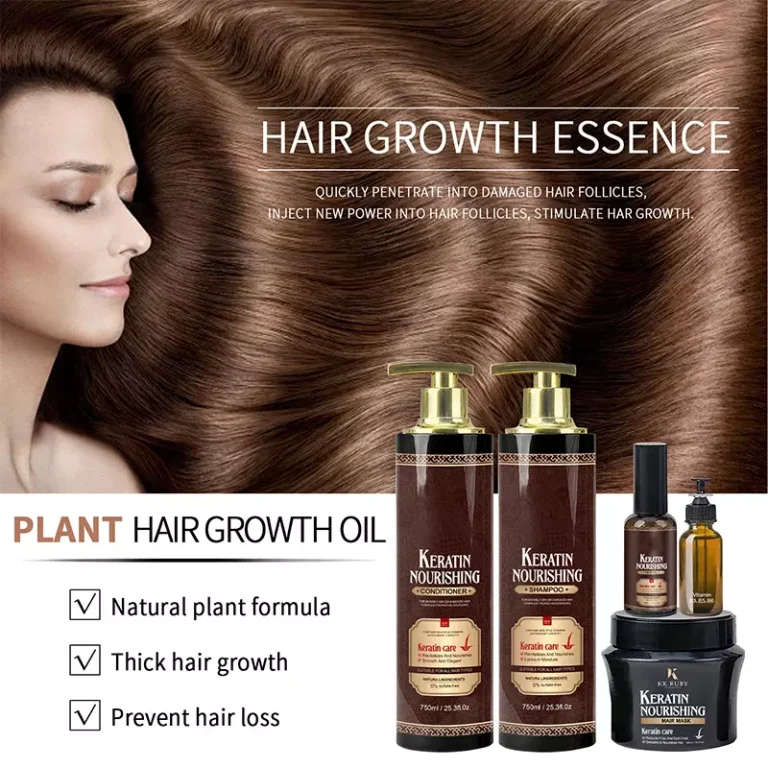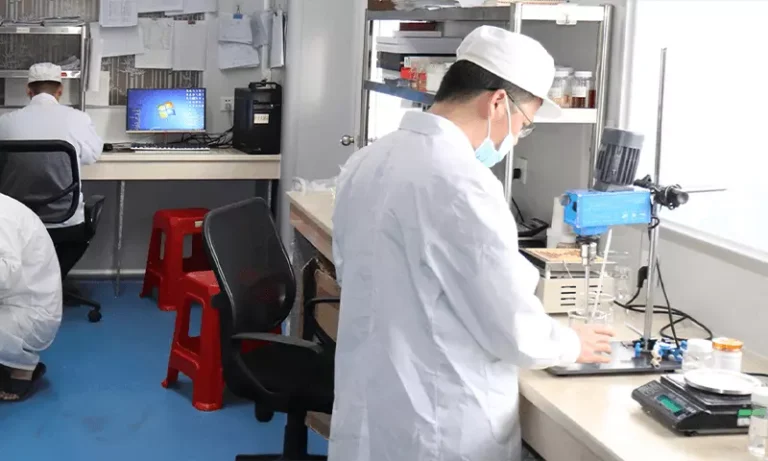
When your brand has a specific formula in mind, private label bases are not enough. You need a custom shampoo manufacturer—a partner that develops and produces to your exact specification. This article explains what custom manufacturing really involves and walks the full path from brief to bottle.
What Is a Custom Shampoo Manufacturer?
A custom shampoo manufacturer builds the product around your formula, claims, and texture, rather than reskinning a standard base. You may supply a reference formula, a target INCI list, or a performance brief (“strong foaming, sulfate-free, anti-frizz”). The manufacturer’s lab then develops, tests, and scales it.
Custom work sits between private label (light tweak of a base) and fully in-house production (your own factory). For most brands, it is the sweet spot: uniqueness without infrastructure.
Custom vs Private Label vs White Label
– White label – buy an unchanged finished product under your name. Fastest, least unique.
– Private label – choose from the manufacturer’s proven bases and adjust lightly.
– Custom – develop a bespoke formula. Highest differentiation, slightly longer lead time.
A custom shampoo manufacturer is the right choice when your value proposition depends on a proprietary blend or a specific claim you must substantiate.
The Journey From Formula to Bottle
1. The Brief
Start with a clear brief: target hair type, desired claims, texture, fragrance direction, and any excluded ingredients (e.g., no sulfates, no parabens). The more precise the brief, the faster development.
2. Formula Development
The lab translates the brief into a stable, manufacturable formula. Expect one to three iteration rounds as scent, viscosity, and lather are tuned.
3. Sampling and Evaluation
You receive physical samples to evaluate feel, foam, and fragrance. This is the moment to align subjective preferences before committing to volume.
4. Stability and Compatibility Testing
The manufacturer runs stability tests (heat, cold, light) and compatibility checks with your chosen packaging. This protects you from separation, discoloration, or leaching later.
5. Packaging and Artwork
Bottles, pumps, and labels are sourced or supplied. The custom shampoo manufacturer coordinates filling line setup and verifies label compliance for your market.
6. Pilot Batch
A small pilot batch validates the full process end to end. Use it for final internal sign-off and, if needed, claim substantiation or consumer testing.
7. Full Production and QC
Bulk production, filling, and batch QC follow. Request a certificate of analysis per batch so quality is documented and traceable.
8. Logistics
The finished goods are packed, inspected, and shipped per your incoterms. A good partner manages this smoothly so you can focus on selling.
How to Brief a Manufacturer Well
Share as much as you can: target market, claims, forbidden ingredients, budget per unit, and expected volume. A detailed brief shortens development and reduces costly rework.
Mistakes to Avoid
– Vague briefs that force repeated reformulation.
– Skipping stability testing to save time.
– Choosing packaging before confirming compatibility.
– Under-specifying the target claim, then disputing results later.
Customization Options You Can Request
Customization ranges widely. You can specify active concentrations such as biotin or keratin, the surfactant system (sulfate-free, amino-acid based), fragrance family, color, and viscosity. You can also request claim-supporting ingredients and exclude allergens. A capable custom shampoo manufacturer will tell you what is feasible and what may require additional testing.
Cost Drivers in Custom Work
Custom development costs more than a base because of lab time, testing, and smaller runs. Drivers include ingredient rarity, claim substantiation, packaging complexity, and batch size. Budget for development as a separate line from production, and you will avoid surprises at the quote stage.
Working With the Lab
Treat the formulators as partners. Share references, competitive products, and honest constraints. The faster they understand your goal, the fewer revision rounds you need. Good communication is the cheapest way to shorten time to market, and it usually improves the result.
When Custom Is Not Needed
If speed and lowest cost matter more than uniqueness, private label may serve you better. Choose custom when the formula itself is your differentiator and you need a product competitors cannot simply copy from a catalog.
Signs You Picked the Right Partner
Signs you picked the right partner include proactive questions from the lab, clear timelines, and samples that match the brief on the first or second try. Even a competitor bottle or a mood board helps the lab calibrate quickly, so share whatever you have.
Conclusion
A custom shampoo manufacturer turns a concept into a differentiated, compliant product—without you building a lab. With a clear brief and the right partner, the journey from formula to bottle is predictable and repeatable.
Ready to develop your formula? Reach our team via the [contact page](https://theshampoomanufacturer.com/contact) to discuss customization, MOQ, and lead time for your custom shampoo manufacturer project.
- Private Label Shampoo Manufacturing: How a Professional Manufacturer Can Create Your Perfect Product
- Shampoo factory secrets: An in-depth analysis from OEM to private label
- How to identify a reliable OEM shampoo manufacturer?
- How can original equipment manufacturers (OEMs) help brands achieve efficient production and growth?
- Top 10 Leading Shampoo Factories in China (Last Updated 2026)
FAQ: Working With a Custom Shampoo Manufacturer
How is cost different from private label?
Custom starts higher because R&D and tooling are unique to you. A private label shampoo manufacturer is cheaper because the formula is shared. The trade is exclusivity versus speed.
What volume makes custom worthwhile?
If you can clear a reasonable MOQ, custom pays off through differentiation. A low MOQ shampoo manufacturer can still do custom at smaller scale, just at a higher unit cost.
How do I control the cost per unit?
Our breakdown of shampoo manufacturer pricing shows the levers—formula, volume, packaging, and compliance—so you can negotiate the full stack, not just the sticker.
Can I extend beyond shampoo?
Yes. A private label hair care products partner lets the same custom formula span conditioner, mask, and treatment.