Launching your own shampoo brand has never been more accessible. Instead of investing millions in a factory, lab, and production line, you can partner with a private label shampoo manufacturer to bring a custom product to market under your own name. This guide walks through what private label really means, why it beats building from zero, and exactly how to get from idea to shelf.

What Is a Private Label Shampoo Manufacturer?
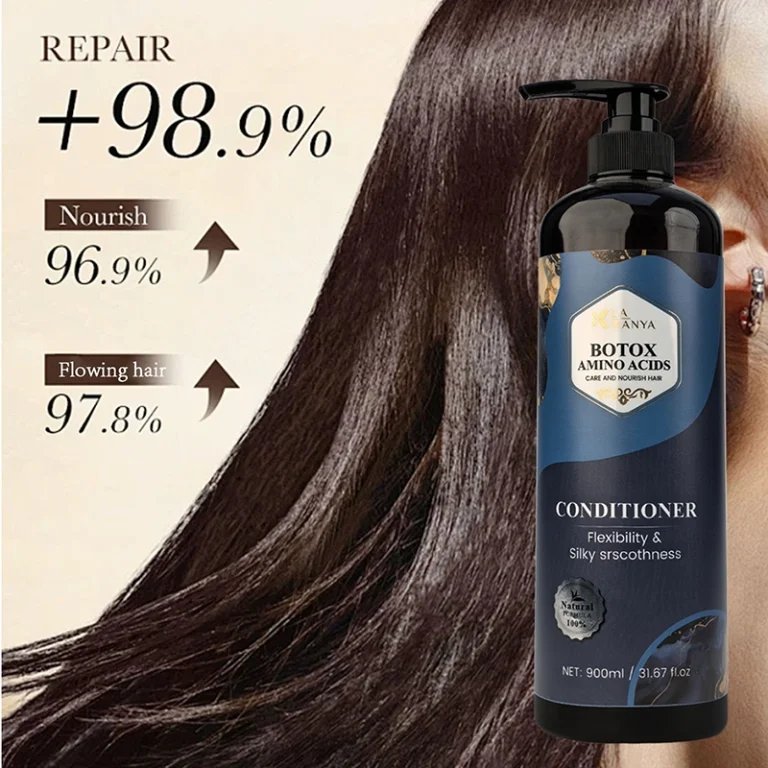
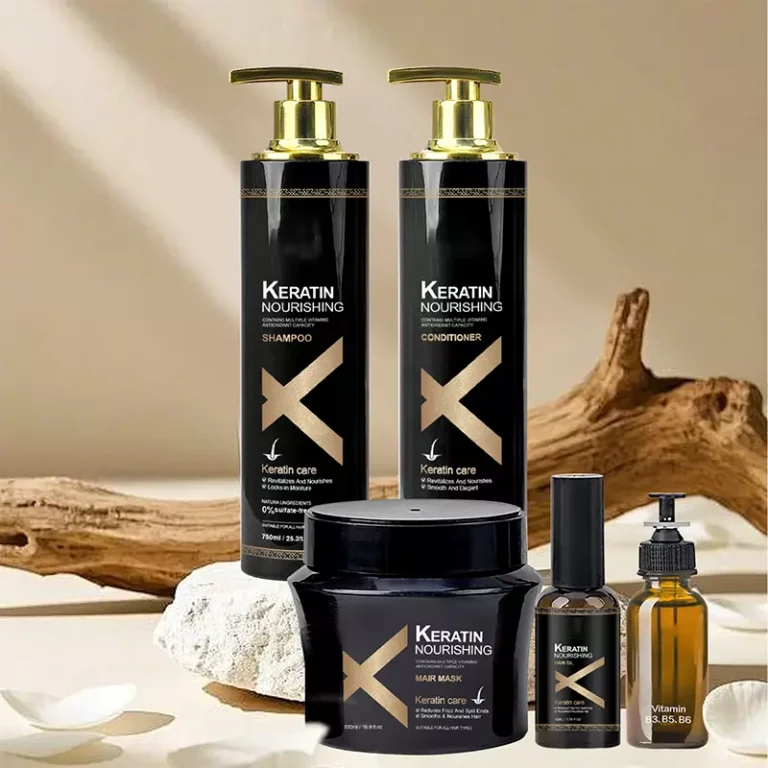
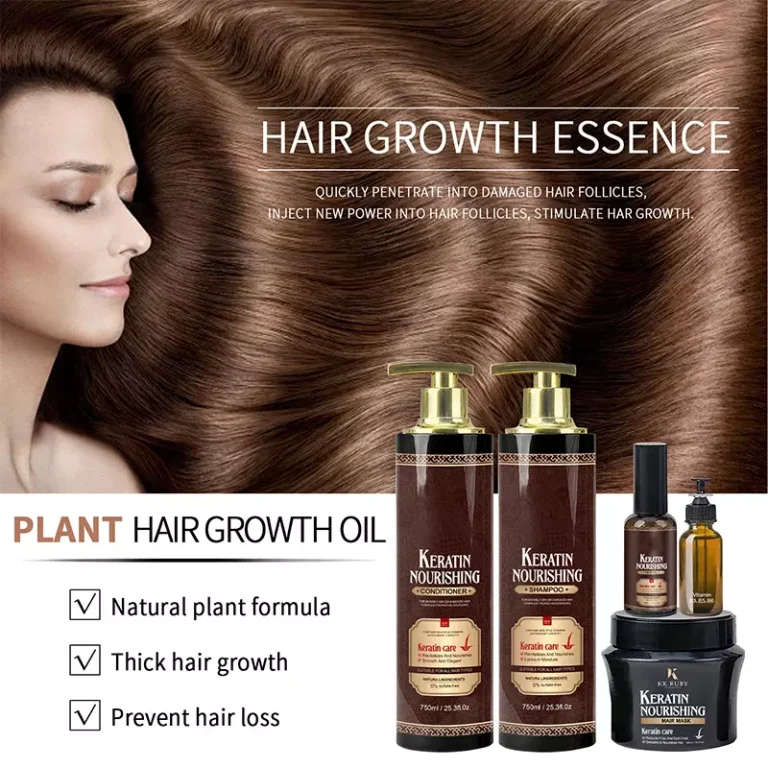
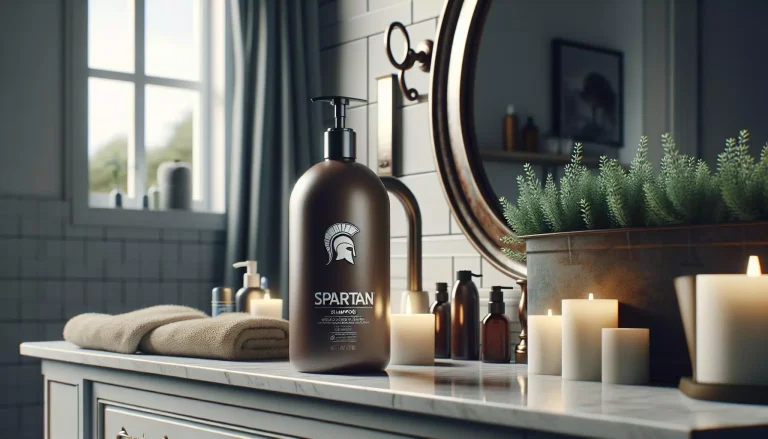
A private label shampoo manufacturer develops and produces shampoo formulas that are sold under your brand, not theirs. You control the branding, packaging, and positioning; the manufacturer handles formulation, compliance, and production. For many new beauty and personal-care entrepreneurs, this is the fastest route to a finished, shelf-ready product without capital-intensive infrastructure.
The model is especially popular in hair care because formulations are complex. A good manufacturer brings certified labs, stable ingredient supply, and proven base formulas you can customize with actives, fragrances, and textures.
Why Choose Private Label Over Building Your Own Factory
Building a shampoo factory requires regulatory approvals, emulsification equipment, filling lines, and quality-control labs—easily a seven-figure investment. Private label flips the equation:
– Lower upfront cost – you pay for production, not infrastructure.
– Faster time to market – launch in weeks instead of years.
– Lower risk – test demand before scaling volume.
– Professional quality – leverage an established R&D team.
For early-stage brands, this means you can validate your concept with a small batch and reinvest revenue into marketing rather than concrete and steel.
The Step-by-Step Private Label Process
1. Define Your Concept and Target User
Start with the customer. Are you targeting curly hair, color-treated hair, or a clinical anti-dandruff segment? A clear niche determines the formula direction and the claims you can legally make. The sharper your positioning, the easier it is to stand out on a crowded shelf.
2. Choose a Base Formula and Customize
Most manufacturers offer proven base shampoos. You then layer in differentiators: botanical extracts, sulfate-free surfactants, keratin, biotin, or tea-tree oil. Customization depth varies—some partners allow light tweaks, others offer full bespoke formulation. Decide early how much uniqueness you need versus how fast you must launch.
3. Design Packaging and Labeling
Bottle shape, pump type, and label compliance matter. Your manufacturer should support label guidance so your artwork meets market regulations (ingredient lists, warnings, net weight). Packaging is also your first impression, so invest in a design that signals quality.
4. Agree on MOQ and Lead Time
Minimum order quantity (MOQ) is the key commercial lever. Smaller MOQs let you test the market; larger runs lower unit cost. Always confirm lead time before promising customers a launch date, and build in a buffer for artwork and approvals.
5. Production, QC, and Logistics
The manufacturer handles bulk production, stability testing, and filling. Ask about their quality certificates (ISO, GMP, FDA registration where relevant) and how they manage batch consistency. Request a certificate of analysis for each batch so you can document safety for your market.
6. Go to Market
With product in hand, focus on your storefront, content, and fulfillment. Many brands start DTC online, then expand to distributors and retail. A private label shampoo manufacturer gets you to this stage far faster than self-production ever could.
How to Choose the Right Partner
Not all manufacturers are equal. Evaluate them on:
– Certifications – GMP, ISO 22716, and relevant local approvals.
– R&D capability – can they formulate bespoke, not just reskin a base?
– MOQ flexibility – does it fit your launch budget?
– Communication – responsive English support and clear documentation.
– References – existing brands they produce for.
A strong private label shampoo manufacturer acts as a long-term product partner, not just a vendor.
Common Mistakes to Avoid
– Chasing the lowest price and sacrificing formula stability.
– Ignoring regulatory labeling until the last minute.
– Over-promising on packaging customization beyond what is feasible.
– Skipping stability and compatibility testing.
– Launching without a clear niche or brand story.
Private Label Trends to Watch
The market is shifting toward clean, sulfate-free, and functionally targeted formulas. Buyers increasingly ask for vegan certification and recyclable packaging. A forward-looking private label shampoo manufacturer will help you ride these trends rather than chase them, keeping your lineup relevant as consumer expectations evolve.
Conclusion
Private label is the pragmatic path for new shampoo brands: lower risk, faster launch, and professional quality. The right manufacturing partner turns your brand idea into a real bottle your customers will love.
Ready to start? Talk to our team about formulation, MOQ, and lead time on our [private label services page](https://theshampoomanufacturer.com/contact), or reach out via the [contact form](https://theshampoomanufacturer.com/contact) for a tailored quote.
- How to Choose From So Many Shampoo Manufacturers?
- Strategic advantage: Partnership with a shampoo manufacturer under contract
- Quality and Innovation: Why are Chinese shampoo manufacturers leading the global market?
- A natural cosmetics and shampoo factory: setting new standards for scalp health
- Inside the shampoo factory: From custom formulations to high-quality production
FAQ: Partnering With a Private Label Shampoo Manufacturer
How do I verify a manufacturer’s certifications?
Request the actual certificate PDF—GMP, ISO 22716, and FDA establishment registration—and confirm the scope covers the product you are buying. Our guide to shampoo manufacturer certifications walks through every mark worth checking before you sign.
Can a low MOQ manufacturer still meet quality standards?
Yes. Batch size is not a proxy for quality. A low MOQ shampoo manufacturer must hold the same GMP and ISO 22716 credentials as a high-volume plant; the bar is identical, only the volume differs.
Should I choose custom formulation or a private label base?
If you need a unique formula, a custom shampoo manufacturer gives you documented R&D control. If speed to market matters more, a private label base puts your brand on a proven formula faster.
What about expanding beyond shampoo?
A private label hair care products partner lets you extend into conditioner, mask, and treatment without vetting a second supplier.