When you source products from a private label shampoo manufacturer, the certificate on the wall is more than a frame-filler. It is the difference between a formula that ships safely and one that gets pulled from a shelf by a regulator. A certified custom shampoo manufacturer has submitted its facility, its documentation, and its processes to outside scrutiny—and that scrutiny is exactly what protects your brand when something goes wrong downstream.
Buyers often focus on price and minimum order quantity first. Those matter, but a low quote from an uncertified plant is a liability you inherit the moment your name goes on the bottle. This guide walks through the certifications a serious low MOQ shampoo manufacturer should hold, how to verify them, and the red flags that should send you walking.
Why Certifications Matter When You Choose a Shampoo Manufacturer
A certification is a promise backed by an audit, not a slogan backed by a designer. When a private label hair care products supplier holds the right marks, you can market with confidence instead of hope. And when a regulator, retailer, or angry customer comes asking, the paper trail answers for you.
The Core Certifications Every Shampoo Manufacturer Should Hold
GMP (Good Manufacturing Practice)
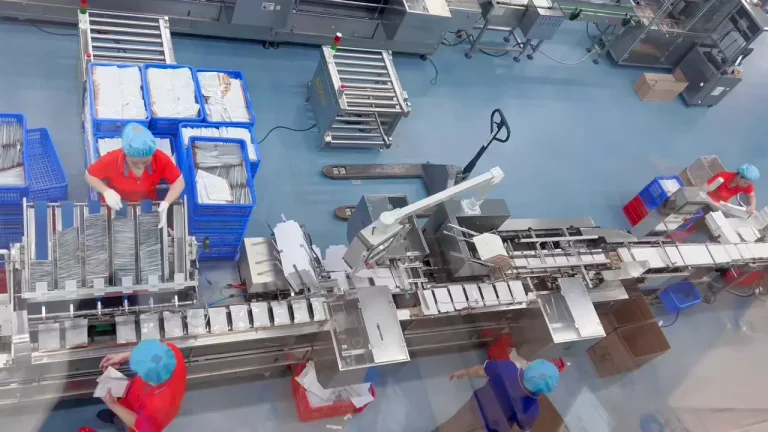
GMP is the baseline. It is a set of principles—cleanliness, traceability, training, and documented procedures—that govern how a product line is actually made, not just how it is described in a brochure. A GMP-compliant shampoo manufacturer keeps batch records, controls allergens, and can tell you exactly which lot went into which shipment.
ISO 22716: Cosmetic-Specific GMP
ISO 22716 is the cosmetic industry’s own GMP standard. Where generic GMP covers food or pharma, ISO 22716 speaks directly to cosmetics: storage of raw materials, hygiene of the filling line, and complaint handling. If a supplier claims “GMP” but cannot show ISO 22716, ask why—the cosmetic-specific version is the one that maps to your risk.
FDA Registration and Facility Inspection
In the United States, facilities that manufacture, package, or label cosmetics must register with the FDA under the Modernization of Cosmetics Regulation Act (MoCRA). Registration alone is not a quality seal, but its absence in 2026 is a hard stop for the U.S. market. Verify the facility identifier and confirm the establishment is listed.
ISO 9001: Quality Management System
ISO 9001 is about the system behind the product—how complaints are handled, how non-conformances are corrected, how continuous improvement is tracked. A shampoo manufacturer with ISO 9001 may not make a better formula than one without, but it is far more likely to fix a problem instead of hiding it.
Organic and Clean-Label Certifications
USDA Organic, Ecocert, and COSMOS
If your positioning is natural or organic, the claim must be backed. USDA Organic governs ingredients sourced in the U.S.; COSMOS and Ecocert are the dominant standards in Europe and increasingly expected by global buyers. A manufacturer can formulate “organic-inspired” products all day, but only a certified one can print the mark.
Cruelty-Free and Vegan Marks
Leaping Bunny and PETA’s cruelty-free certification close the loop for brands that market on ethics. Vegan certification confirms no animal-derived ingredients (think certain conditioning agents or keratin). These marks are cheap to lose and expensive to fake, so verify the license number, not the logo on a slide deck.
How to Verify a Shampoo Manufacturer’s Certifications
Ask for the Certificate, Not the Claim
A certification is a dated document with an issuing body and a scope. Request the actual PDF, check the expiry, and confirm the scope covers the product type you are buying. A shampoo manufacturer that hesitates to share the certificate—citing “confidentiality”—is telling you what you need to know.
Watch for These Red Flags
– A certificate issued to a different legal entity than the one shipping the goods.
– Expiry dates that lapsed more than a quarter ago.
– Scope that covers “consulting” but not “manufacturing.”
– A certifying body you cannot find with a basic search.
Certifications Across Manufacturing Models
The model you choose changes which proofs matter most. A private label shampoo manufacturer should carry strong GMP and labeling compliance, because you are putting your brand on their base formula. A custom shampoo manufacturer needs documented R&D controls so your bespoke formula stays consistent batch to batch. A low MOQ shampoo manufacturer must still meet the same bar at small volume—scale is not an excuse for gaps. And a private label hair care products supplier should extend certification to every SKU in the range, not just the hero product.
What Certification Compliance Costs—and Why It Pays
Certified facilities charge more, and the paperwork is real. But the cost of a recall, a seized shipment, or a viral “is this safe?” post dwarfs the premium. A shampoo manufacturer that invests in compliance is also investing in the longevity of the brands it serves—including yours. Treat certification spend as insurance with a marketing upside, not overhead.
A Practical Certification Checklist
Before you sign, confirm: GMP or ISO 22716 on file; FDA establishment registration for the U.S.; ISO 9001 for the quality system; the specific organic or cruelty-free mark your brand promises; and a valid, in-scope certificate you have seen with your own eyes. Three of four is not a pass.
Final Word
Certifications will not win the ranking by themselves, but they decide whether the ranking you earn survives contact with reality. Vet your shampoo manufacturer the way a regulator would, and the rest of your launch gets a lot quieter.