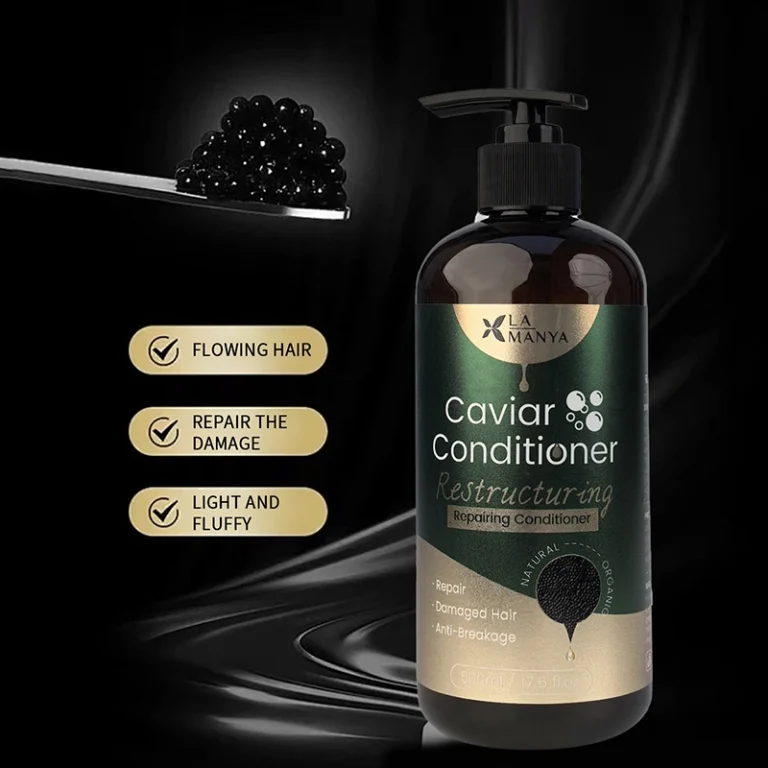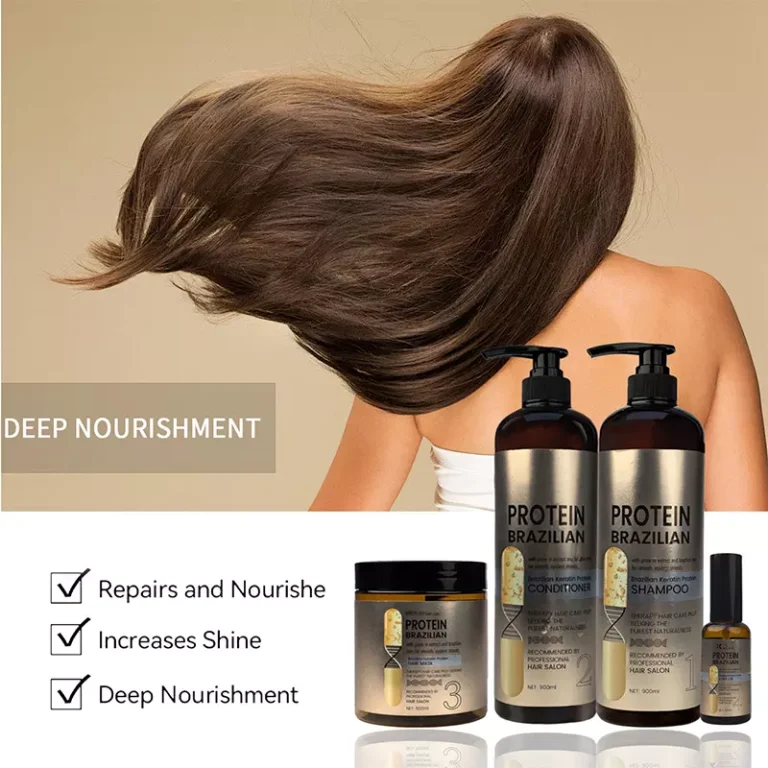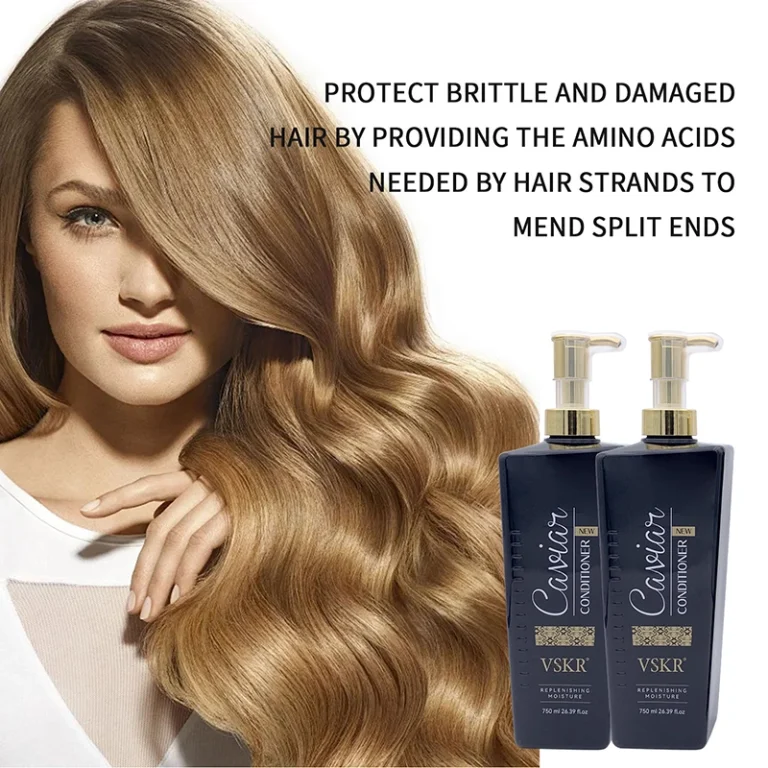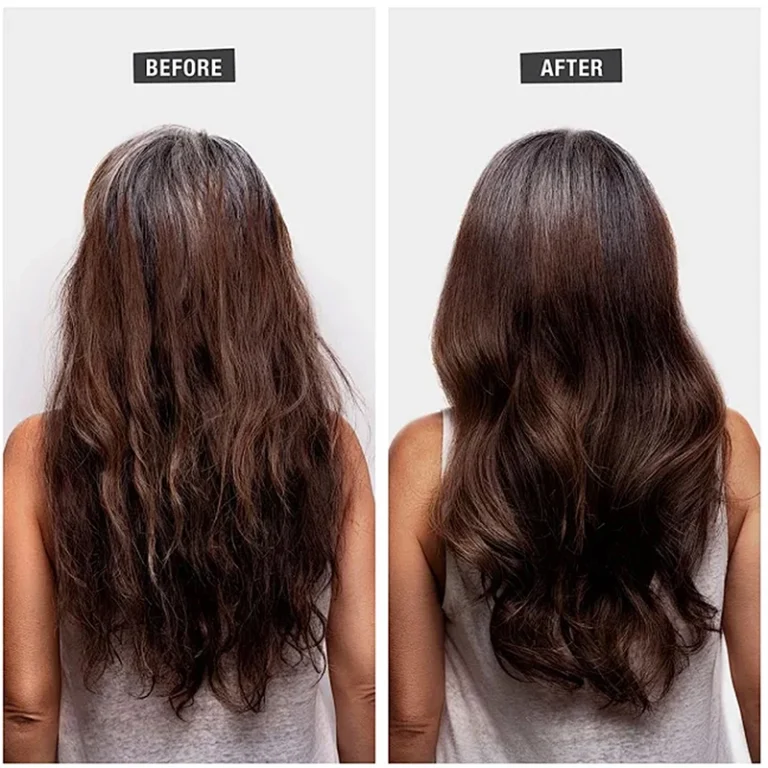
The journey from a liquid idea to a bottled product on store shelves typically takes between 3 to 6 months, depending on whether you use a pre-existing formula or develop a custom one from scratch.
Below is a typical roadmap for the Original Equipment Manufacturer (OEM) shampoo production process:
Stage 1: Consultation and Concept
Everything starts with a “product brief.” You’ll meet with the manufacturer to define the essence of your product.
- Target Audience: Is this product for professional salons, dandruff treatment, or the high-end “clean beauty” segment?
- Key Selling Points: Sulfate-free, vegan, color-safe, or focused on hair growth?
- Budget: Determining the target unit cost, which dictates the quality of surfactants and active ingredients used.
Stage 2: R&D and Prototyping
This is the “trial and error” stage where the chemical formula is developed.
- Formulation: Chemists create a prototype based on your brief.
- First Samples: The factory sends you small lab samples (typically 50-100 ml).
Feedback Loop: You test the fragrance, foam density, and product feel on hair. You might request a thicker consistency or a lighter scent. - Final Approval: Once you’re satisfied, you sign off on the “golden standard” sample.
Stage 3: Testing and Compliance
Before mass production, the formula’s safety and stability must be proven.
- Stability Test: The shampoo is put in “ovens” to simulate 1-3 years of shelf life, ensuring it doesn’t separate or change color.
- Preservative Efficacy Test (PET): Confirms the product won’t grow mold or bacteria after the consumer opens it.
- Regulatory Filing: Compiling the INCI (International Nomenclature of Cosmetic Ingredients) list and Safety Data Sheets (SDS) for legal sale in your region.
Stage 4: Packaging and Design
While the formula is being tested, you finalize the packaging design.
- Sourcing: Choosing bottles, pumps, and caps.
- Design: Designing labels or silk-screening.
- Compatibility: A crucial sub-step where the manufacturer ensures your shampoo doesn’t cause the label adhesive to fail or the bottle to degrade.
Stage 5: Mass Production
With the paperwork done, the factory moves to the big tanks.
- Raw Material Procurement: Sourcing ingredients in bulk.
- Mixing: Blending components in large, high-shear tanks. For shampoo, the order of addition is critical to achieve a clear, viscous liquid.
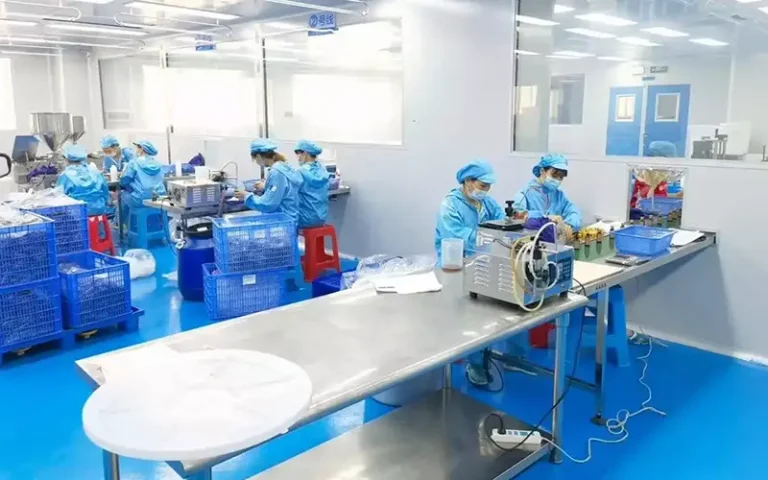
- Filling and Capping: Automated lines fill bottles, attach pumps, and seal them.
- Coding: Laser-printing batch numbers and expiration dates on the packages.
Stage 6: Quality Control and Shipping
- Final Inspection: The QC team spot-checks random finished products for leaks, correct weight, and label alignment.
- Logistics: Goods are palletized and shipped to your warehouse or distribution center.
Timeline Summary
| Stage | Estimated Duration |
| Consultation and Sampling | 2-4 weeks |
| Stability and Microbial Testing | 4-8 weeks |
| Packaging Production | 3-5 weeks |
| Mass Production and QC | 2-4 weeks |