The increasing personalization of consumer demands is leading to a diversification in shampoo needs for different hair types, placing a greater burden on the original shampoo manufacturing industry. Original shampoo manufacturing is not just about outsourcing production; it requires building integrated, customized solutions based on the core needs of different hair types. The flexibility of these solutions directly impacts the product’s market competitiveness and customer satisfaction. This article will outline the response strategy from the perspectives of demand understanding, core strategies, and assurance systems.
Fundamental Requirements: Precise Understanding of Core Needs for Different Hair Types
Meeting the needs of different hair types requires a precise understanding of their core requirements. Hair types differ in their basic needs like cleansing and moisturizing, and may also be accompanied by specific issues. Original shampoo manufacturers need to establish a systematic research framework to clarify hair type characteristics and functional requirements, while distinguishing between basic and personalized needs. This framework provides guidance for subsequent customization, ensuring product functionality aligns with needs and avoiding homogenization.

Core Strategies: Fully Customized Adaptive Solutions
The essence of meeting the needs of different hair types lies in building a fully customized adaptive system that fits the characteristics and needs of each hair type from multiple aspects, ensuring the product’s functions are effectively achieved.
1. Custom Formulation: Suitable Core Components
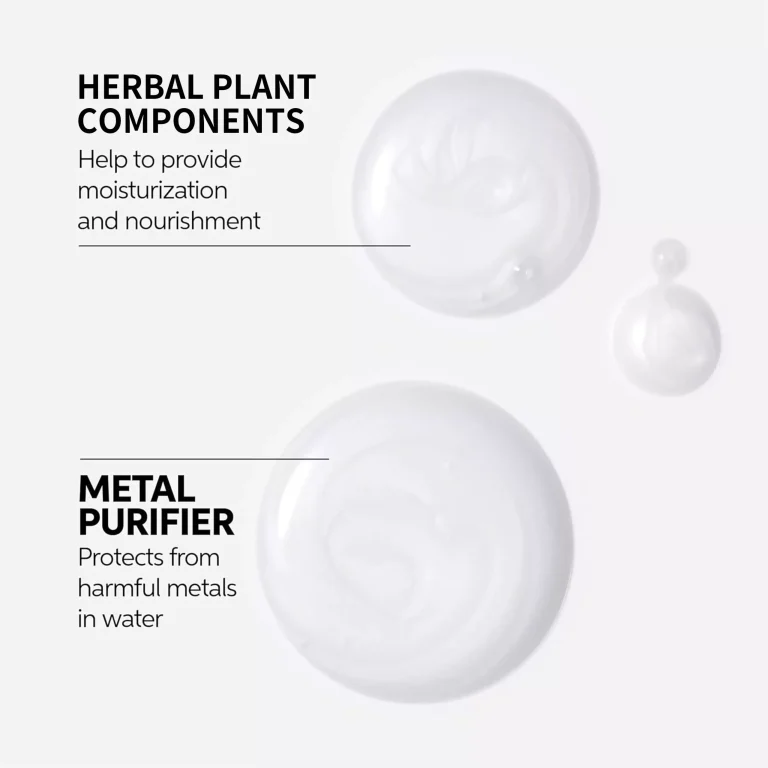
The formulation is the foundation of shampoo function, and addressing differences in hair types relies on customized components. It is essential to select suitable effective ingredients based on hair type characteristics, clarifying their mechanisms of action and formulation logic to specifically address hair problems. At the same time, the gentleness and compatibility of ingredients must be considered to avoid any reactions or irritation. Furthermore, the formulation should be optimized to fit the sensory needs of the hair type regarding texture, lather, etc., improving the user experience.
2. Raw Material Selection: Quality Control for Suitable Hair Types
The quality of raw materials determines the efficacy and safety of shampoo, requiring careful selection from the source. Contract manufacturers should establish strict inspection standards, selecting raw materials that meet purity and efficacy standards according to formulation requirements, aligning with hair improvement needs; prioritizing the use of environmentally friendly raw materials to avoid impurities and irritation; and establishing a raw material traceability system to ensure a stable and reliable supply, enhancing the foundation of product quality.
3. Efficacy Verification: Targeted Effect Testing
A targeted efficacy verification system must be established to ensure the product’s suitability for the needs of different hair types. In R&D and production, core efficacy metrics, such as cleansing power and nourishment, are evaluated through simulated usage scenarios to verify problem-solving capabilities; gentleness tests are conducted to ensure scalp tolerance and avoid sensitivity; and formulation processes are promptly optimized through scientific verification to ensure stable effects and user satisfaction after the product is launched.
Assurance System: Dual Control of Quality and Compliance
Meeting the needs of different hair types requires balancing functional suitability with quality standard compliance. Regarding quality control, a comprehensive quality inspection standard is established, where key indicators, such as ingredients and stability, are rigorously tested from raw material procurement to final product delivery. Regarding compliance, industry standards and regulations are strictly adhered to, ensuring formulations and labels meet regulations and avoid any compliance risks.
Summary
Demand-driven shampoo manufacturing, to meet the needs of different hair types, requires a demand-based approach, building integrated solutions through formulation customization, raw material selection, and efficacy verification, relying on a quality compliance system to ensure product reliability. As demand evolves, companies need to continuously improve R&D and process levels, deepen research into hair types and components, launch more suitable products, enhance core competitiveness, and contribute to industry development with high quality.