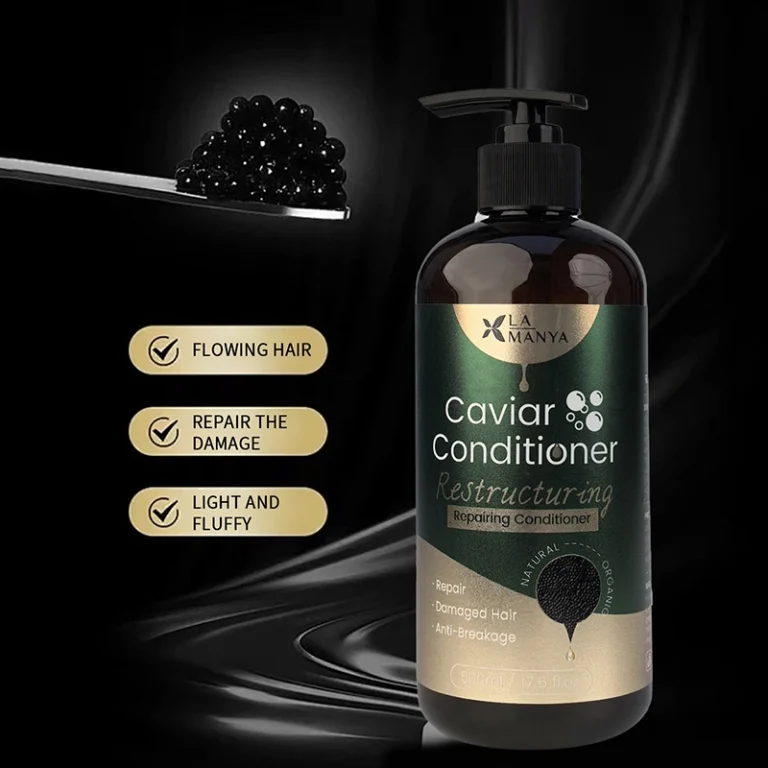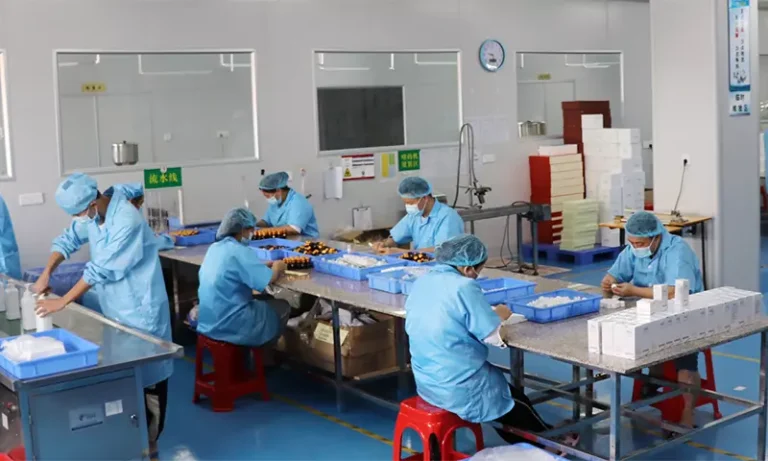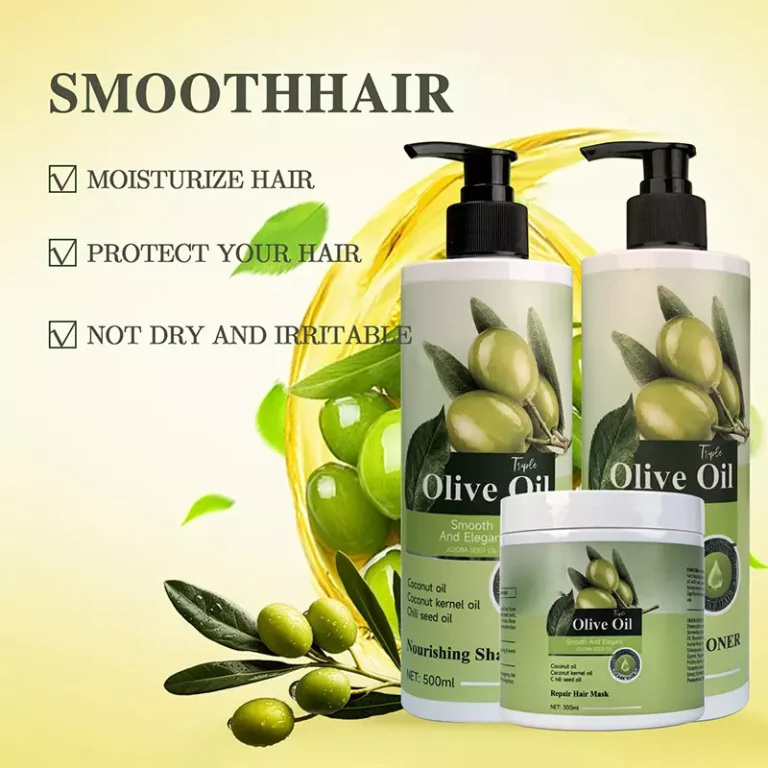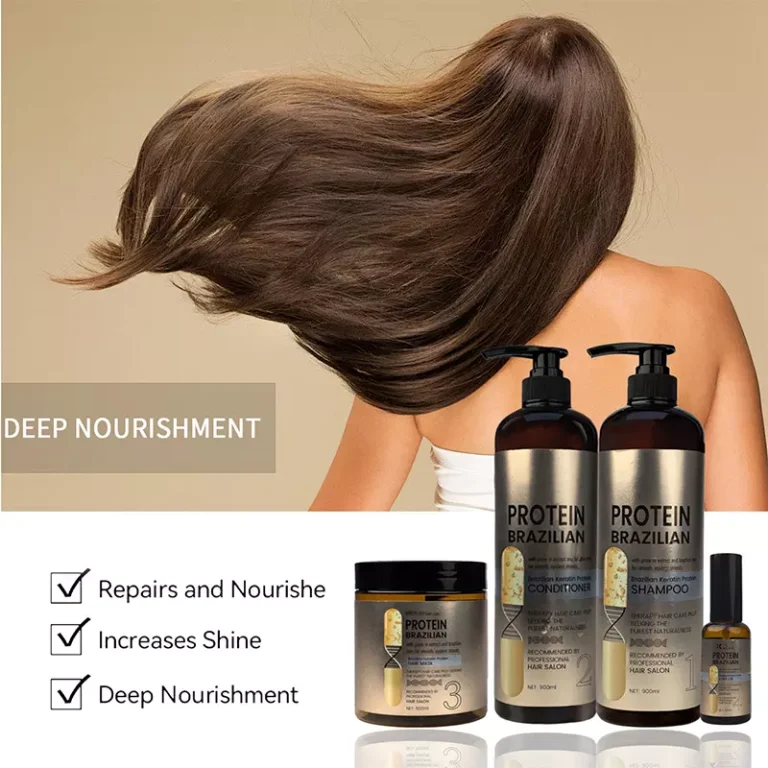
Looking for custom shampoo manufacturers? Whether you’re launching a new haircare brand or scaling an existing one, choosing the right custom shampoo manufacturers decides your product quality, lead time, and margin. This guide breaks down what to vet before you sign — so you lock in a partner that protects your formula, your timeline, and your reputation.
What Is a Custom Shampoo Manufacturer?
A custom shampoo manufacturer develops a product to your specification rather than selling you a pre-made, white-label formula. You bring the brief — target hair concern, ingredient story, texture, fragrance, bottle — and the manufacturer’s R&D team builds the formulation, runs stability and compatibility testing, and produces it at scale.
The opposite end of the spectrum is private label, where you pick from an existing catalog and only change the label. Custom sits further along the control spectrum: you own more of the product logic, which is exactly why the partner-selection step matters more.
Why It Matters for Buyers
A weak partner shows up everywhere: inconsistent batches, claims you can’t substantiate, delays that blow your launch date, and margins eaten by rework. A strong one becomes a quiet growth engine — suggesting actives that actually differentiate, flagging regulatory risks before they become recalls, and flexing capacity as you scale.
For early brands, the manufacturer is also your de-facto R&D department. The formulation decisions made in month one still define your hero SKU two years later.
Key Factors to Evaluate
1. Formulation & Ingredients Capability
Ask what they can actually build, not what sounds good on a brochure. Can they formulate sulfate-free, vegan, and silicone-free systems? Do they have experience with the specific benefit claims you want — bond building, color locking, scalp care? Request example INCI lists and challenge them with your hardest requirement first.
2. MOQ & Lead Time
Minimum order quantity decides whether you can afford to test the market. Some custom shampoo manufacturers start at 1,000–3,000 units; others require 10,000+. Map MOQ against your cash cycle, and pin down realistic lead time including formulation, testing, and filling — not just production.
3. Certifications (ISO/GMP)
For cross-border sales you’ll need proof. Look for GMP (Good Manufacturing Practice), ISO 22716 (cosmetics GMP), and relevant market certs (e.g., FDA facility registration for the US, CPNP for the EU). Certifications are your insurance against customs and platform rejections.
4. Customization Depth
True customization goes beyond the formula. Evaluate packaging engineering, fragrance development, claims substantiation support, and even help with compliance copy. The deeper the capability, the less you patch together with freelancers later.
Common Mistakes to Avoid
- Chasing the lowest price per unit. Cheap often means generic formula swaps and surprise surcharges on filling or testing.
- Skipping the stability test. A formula that looks great at week one can separate or discolor by month three.
- Ignoring communication timezone and language. If samples take three weeks to discuss, your launch slips.
- Not owning the formula IP. Clarify who holds the specification so you’re not locked to one supplier forever.
Custom Shampoo Manufacturers vs Alternatives
| Approach | You own | Best for | Trade-off |
|---|---|---|---|
| White label | The label only | Speed to market | Little differentiation |
| Private label | Label + light tweaks | Mid control, lower MOQ | Limited formula uniqueness |
| Custom manufacturer | Formula + IP + specs | Differentiated brands | Longer lead time, higher setup |
If your strategy is a commodity product with a strong brand story, private label may suffice. If the product *is* the differentiation, custom is the only path worth taking.
FAQ
What MOQ do custom shampoo manufacturers usually require? Most start between 1,000 and 5,000 units for a first run, with better per-unit pricing above 10,000. Always confirm whether MOQ is per SKU or per order.
How long does custom formulation take? Typically 4–8 weeks for development plus 2–4 weeks for stability and compatibility testing, then production lead time on top. Rush projects cost more.
Can custom manufacturers handle vegan or sulfate-free formulas? Reputable ones do — sulfate-free and vegan systems are now standard requests. Ask for documented formulations and any third-party vegan certification if you’ll make the claim publicly.
Do they support small or first-time brands? Many custom shampoo manufacturers offer a pilot/batch program specifically for startups. Expect a slightly higher unit cost at low volume in exchange for lower commitment.
Conclusion & Next Step
Choosing among custom shampoo manufacturers comes down to formulation depth, certification readiness, and honest communication — not the flashiest sales deck. Shortlist two or three, send the same brief to each, and compare what they push back on.
Ready to go deeper? Read our guide on Private Label vs Custom Shampoo Manufacturers to decide which model fits your brand, and see how a Natural Shampoo Formulation Manufacturer approaches ingredient sourcing. For the production side, our sister site covers OEM vs ODM for Anti-Hair Loss Shampoo.
Explore our manufacturing network
Looking beyond this guide, our sister sites cover complementary angles:
- Beyond the Shelf: The Power of Custom Shampoo — on our Guangzhou shampoo factory site (guangzhoushampoo.com)