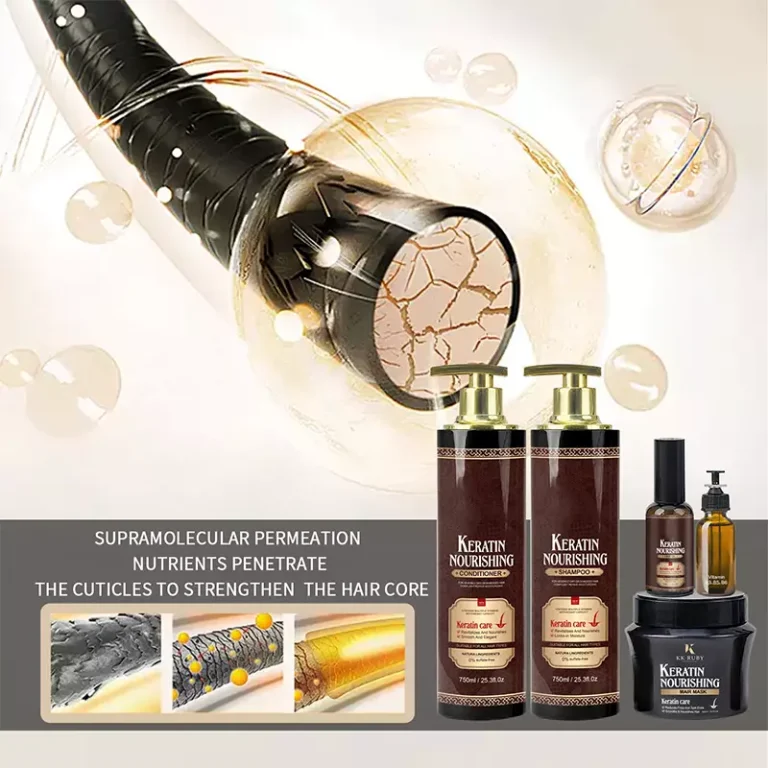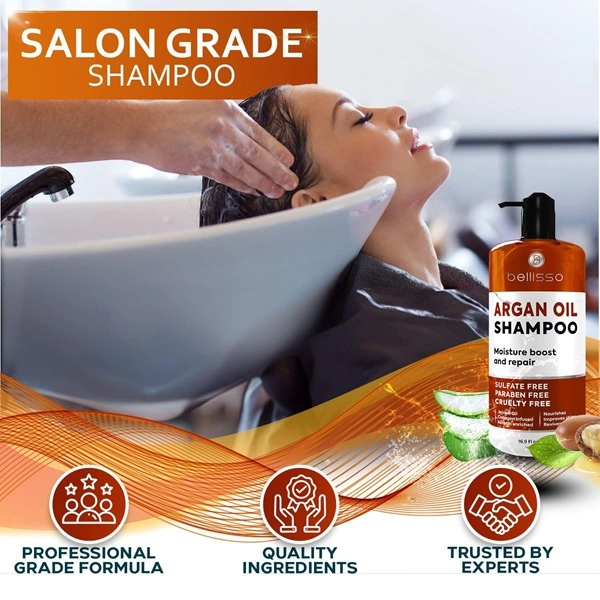
In the highly competitive personal care products market, shampoo factories play a pivotal role. These specialized manufacturing bases are not just production sites; they are essential hubs for technological innovation, quality control, and market responsiveness. This article provides an in-depth look at modern shampoo factories, revealing how they transform raw materials into effective hair care products, and explores the strategic importance of choosing a high-quality factory for commercial success.
Why is a Shampoo Factory the Key to Brand Success?
A shampoo factory is not merely a simple production facility; it is a pivotal hub connecting R&D, manufacturing, and the market. In today’s market, which focuses on ingredient transparency and efficacy verification, the factory’s efficiency directly determines the final product’s quality and market performance.
Three Core Capabilities of a Modern Factory
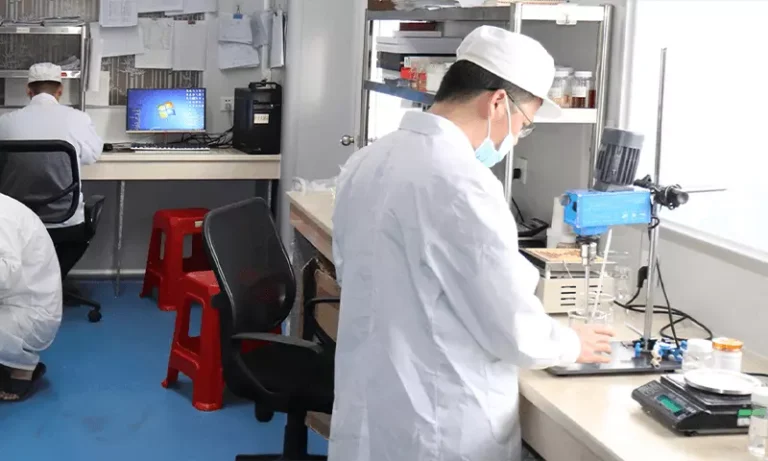
Technical R&D and formula innovation are among the most important competitive advantages of leading shampoo factories. Top factories are equipped with comprehensive R&D laboratories staffed by teams of experienced chemists. They can develop customized formulation solutions based on market trends, from addressing scalp sensitivity to creating specialized formulas for color protection. The factory’s R&D capabilities directly determine the product’s unique selling points. The tasks of these labs are not limited to designing basic formulas; they also include verifying product efficacy through laboratory tests and clinical evaluations, ensuring the scientific validity and effectiveness of each formula.
A stringent quality control system is applied at all stages of the production process. High-quality shampoo factories implement total quality management from raw material receipt to final product shipment. Raw material suppliers undergo strict audits, with each batch tested against multiple indicators. During production, critical control points are monitored in real-time. Finished products must pass stability tests, microbial inspections, and performance evaluations. This meticulous quality culture ensures every bottle of shampoo meets approved standards, laying the foundation for long-term brand trust.
The Profound Impact of Factory Choice on Brand Building
Choosing the right shampoo factory is a vital element in brand strategy. Specialized factories not only provide regulation-compliant products but can also become technical partners for the brand. They understand the regulatory requirements of different markets (such as the US FDA, EU Cosmetics Regulation, and China’s CSAR), ensuring smooth market entry. Furthermore, leading factories focus on sustainability, offering eco-friendly packaging options, water-saving measures, and carbon footprint reduction suggestions, helping brands build a responsible corporate image.
Unveiling the Complete Process in a Shampoo Factory: From R&D to Production
A deep understanding of the internal processes of a shampoo factory helps brand owners make wiser partnership choices. Modern shampoo manufacturing is a precise process combining science, technology, and art.
R&D Stage: The Birth of a Scientific Formula
Market demand analysis and concept development are the first steps in product innovation. An excellent factory closely collaborates with clients to analyze the specific needs of the target consumer segment, whether it’s oil control/dandruff removal, damage repair, or scalp soothing. Based on these insights, the R&D team begins constructing the formula concept. The team considers the synergistic effects of active ingredients, the emotional appeal of fragrance, and the user experience of texture to create formula prototypes.
During the formula optimization and efficacy verification stage, chemists continuously refine the formula using precision instruments and advanced testing methods. They analyze product texture using viscometers, assess the balance between cleansing power and gentleness through lab tests, and conduct stability tests to ensure product performance is maintained under various temperature conditions. For shampoos targeting specific functions (like anti-hair loss or anti-aging scalp), the factory may conduct clinical trials to collect objective data supporting the product’s efficacy claims.
Production Stage: The Art of Precision Manufacturing
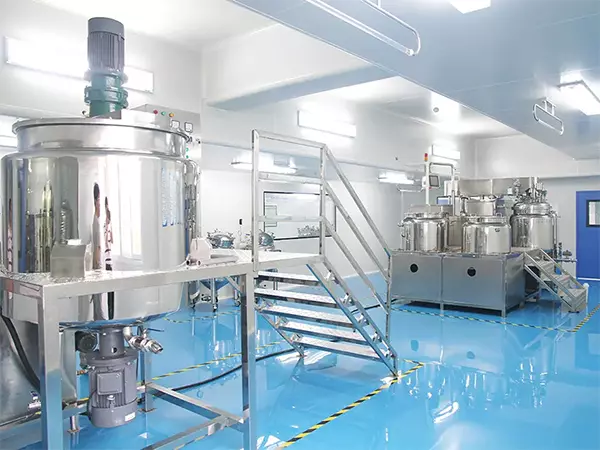
The raw material handling and initial mixing stage determines the fundamental product quality. The factory weighs different ingredients in precise proportions: surfactants provide cleansing power, conditioners improve hair texture, active ingredients add specific efficacy, and the preservative system ensures product safety. Precise temperature control and mixing sequence are critical, as some heat-sensitive actives must be added at specific stages to preserve their effectiveness.
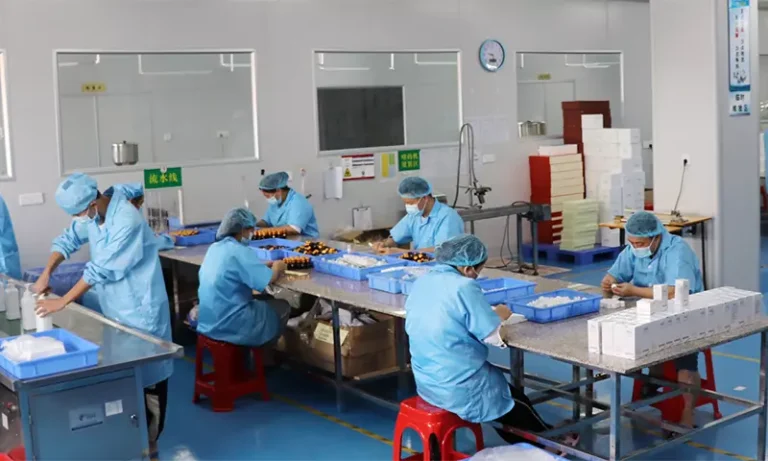
The emulsification, filling, and packaging stages represent the final production steps. During emulsification, aqueous and oil phase components are mixed under controlled conditions to form a stable emulsion structure. Modern production lines enable automated filling, reducing human error and contamination risks. Packaging considers not only aesthetics but also user convenience and transportation safety. The entire production process occurs in a clean environment compliant with Good Manufacturing Practices (GMP) standards.
How to Choose a High-Quality Shampoo Factory: Key Indicator Analysis
Amid numerous factories claiming professional expertise, brand owners need methods to select high-quality partners. An unsuitable choice can lead to unstable product quality, delivery delays, or even legal risks.
Evaluating Technical Capabilities and Factory Equipment
Advanced production equipment and innovation capabilities are among the most important points to inspect. When visiting any factory, pay attention to the precision of mixing systems, the modernity of emulsification equipment, and the level of automation in filling lines. Advanced factories often invest in modular production lines capable of flexibly handling both small custom orders and large-scale production. Inquire whether the factory can develop distinctive formulas, such as waterless shampoo products, probiotic hair care formulations, or innovative systems based on natural fermentation ingredients.
Quality certifications and compliance records cannot be overlooked. High-quality factories typically hold international certifications like ISO 22716 (Cosmetics Good Manufacturing Practices) and ISO 9001 for quality management systems. Review the factory’s past audit records, product recall history, and results of surprise inspections by market regulatory bodies. Ask how they handle regulatory updates, especially regarding the latest requirements on preservative restrictions, claimed efficacy, and ingredient safety assessments.
Studying the Factory’s Service and Collaboration Capabilities
Customization services and supply chain management directly impact brand flexibility. Excellent factories offer integrated solutions from concept to finished product, including packaging design support, regulatory consultations, and logistics arrangements. Evaluate the flexibility of their supply chain—do they guarantee a stable supply of key raw materials? Do they have contingency plans for market fluctuations? Ensure the factory’s Minimum Order Quantity (MOQ) is flexible and that it can support small-batch testing and market validation during the brand’s early stages.
Transparent communication and ongoing support form the foundation for long-term collaboration. A high-quality factory provides proactive updates on production progress, quality control reports, and inventory information. They have specialized technical support teams to help resolve product issues arising from market feedback and provide production planning advice based on sales data. This partnership allows brands to focus on market expansion while entrusting manufacturing expertise to a reliable partner.
A professional shampoo factory is the cornerstone of brand success in the hair care market. From precise formulation science to stringent production control, from flexible small-batch production to scalable manufacturing capabilities, a high-quality factory provides comprehensive solutions for brands. In an era where consumers increasingly focus on ingredient safety, efficacy verification, and sustainability, partnering with a factory possessing strong technological innovation capabilities, a robust quality system, and comprehensive services has become a fundamental strategy for brands to build distinctive competitive advantages.