In today’s thriving personal care industry, shampoo factories play a crucial role. These facilities are not only the foundation of product manufacturing but also the invisible driving force behind brand innovation. Whether for international giants or emerging brands, their success heavily relies on the support of professional shampoo factories. This article will delve into the operational models, technological essence, and market trends of shampoo factories, revealing the secrets of this industry to you.
Types of Shampoo Factories and Selection Criteria
Large Integrated OEM/ODM Shampoo Factories
Large shampoo factories typically possess complete R&D, production, and quality inspection systems, providing services to many domestic and international brands. Their advantages include:
- Large-Scale Production Capacity: Monthly production can reach hundreds of thousands of bottles, meeting the requirements of high-volume orders.
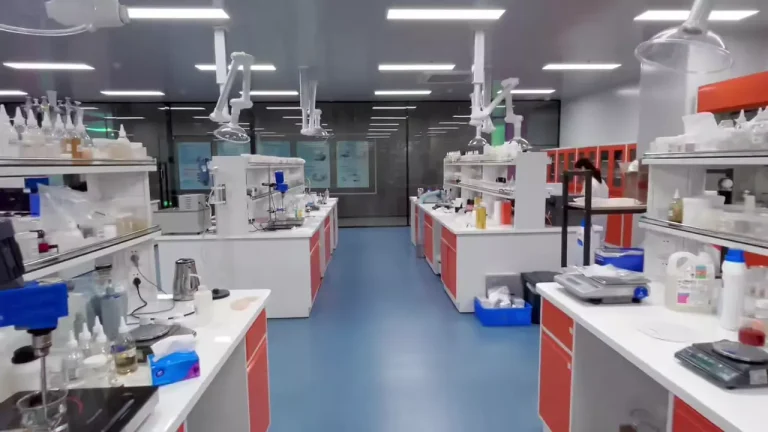
- Advanced Equipment and Processes: Equipped with fully automated filling lines, modern laboratories, and strict production environment controls.
- Comprehensive Services: Integrated services from formula development and packaging design to logistics and distribution.
When selecting these shampoo factories, focus on their certifications (like ISO9001 and GMPC), previous collaboration case studies, and the professional backgrounds of their R&D teams.
Specialized Shampoo Factories
With market segmentation, shampoo factories focusing on specific areas have emerged:
- Natural and Organic Shampoo Factories: Specialize in botanical extracts and silicone/sulfate-free formulations.
- Functional Shampoo Factories: Distinguished by products with specific efficacy like anti-hair loss, anti-dandruff, and color-treated hair care.
- Small-Batch Production Shampoo Factories: Serve niche brands, offering flexible small-quantity production solutions.
These shampoo factories often possess deep technical expertise in their specific fields, providing brands with diverse product solutions.
Detailed Breakdown of Contract Shampoo Manufacturing Process
Formula Development and Sample Creation in Shampoo Factories
The R&D process in professional shampoo factories is rigorous and scientific:
1. First Stage: Requirement Analysis
The factory’s R&D team fully understands the brand’s positioning, target customer base, and competitive landscape to determine the product’s core selling points and efficacy direction. At this stage, the brand needs to provide clear market research data and product concepts.
2. Second Stage: Formula Design in Shampoo Factories
Based on requirements, the R&D staff of shampoo factories will:
- Choose appropriate surfactant systems (e.g., amino acid-based, glucoside-based)
- Select conditioning agent formulations (silicone or natural alternatives)
- Add functional ingredients (hair growth peptides, anti-dandruff agents, botanical extracts, etc.)
- Adjust fragrance, color, and viscosity parameters
Modern shampoo formulations increasingly focus on scalp microbiome balance and sustainability, requiring shampoo factories to possess the corresponding technical capabilities.
Production Execution and Quality Control in Shampoo Factories
Precise management in shampoo factory production:
Production floors in shampoo factories are typically divided into raw material pre-processing, formulation, filling, and packaging areas, with strict hygiene controls. Key production steps include:
- Raw Material Inspection: All incoming materials undergo physico-chemical and microbiological tests.
- Precise Proportioning: High-precision measuring systems ensure formula consistency.
- Homogenization and Emulsification: Homogenizers ensure thorough mixing of ingredients for product stability.
- Filling and Sealing: Fully automated filling lines ensure filling accuracy and hygiene standards.
- Finished Product Testing: Each batch undergoes sensory, physico-chemical, and microbiological tests.
The quality control system is the core competency of a shampoo factory, including raw material quality control, in-process quality control, and finished product quality control to ensure compliance with national standards and brand requirements.
Technological Innovations in Modern Shampoo Factories
Green Manufacturing and Sustainable Development in Shampoo Factories
Leading shampoo factories actively adopt environmental concepts:
1. Eco-Friendly Formulation Technology in Shampoo Factories:
- Developing easily biodegradable surfactants to reduce water pollution.
- Using concentrated formulation technology to reduce packaging materials and transport carbon emissions.
- Using renewable raw materials, such as plant-derived ingredients.
2. Eco-Friendly Production Processes in Shampoo Factories:
- Implementing water recycling systems.
- Using clean energy sources like solar power.
- Reducing packaging waste, encouraging recyclable and refillable packaging solutions.
Smart Manufacturing and Digital Transformation of Shampoo Factories
Modern shampoo factories are moving towards intelligent operations:
1. Production Automation in Shampoo Factories:
- Manufacturing Execution Systems (MES) monitor production status in real-time.
- Robotic automated filling systems improve storage efficiency.
- Intelligent temperature control systems ensure stable production environments.
2. Data-Driven Management in Shampoo Factories:
- Collecting equipment operation data via IoT (Internet of Things) technology.
- Using big data analytics to optimize production parameters.
- Applying blockchain technology to trace raw materials, enhancing product transparency.
Cooperation Models Between Shampoo Factories and Brands
OEM vs ODM: How to Choose the Right Shampoo Factory?
1. OEM (Original Equipment Manufacturing) Model:
The brand provides the complete formula and design; the shampoo factory only assumes production responsibility. Suitable for mature brands with independent R&D capabilities that wish to protect their intellectual property.
2. ODM (Original Design Manufacturing) Model:
The shampoo factory provides a complete solution from formula to packaging; the brand only needs to provide the concept. Suitable for emerging brands or companies seeking to launch new products quickly.
Key Considerations for Cooperating with Shampoo Factories
1. Intellectual Property Protection:
Sign Non-Disclosure Agreements (NDAs) and Intellectual Property Agreements before collaborating with a shampoo factory to guarantee the brand’s exclusive rights to formulas and designs.
2. Negotiating Minimum Order Quantity (MOQ):
MOQ varies significantly between shampoo factories, ranging from a few thousand to hundreds of thousands of bottles. Emerging brands can look for shampoo factories specializing in small orders or explore “order sharing” to reduce costs.
3. Quality Control Responsibilities:
Contracts signed with shampoo factories should clearly specify quality standards and acceptance procedures, including sampling rates, handling of non-conforming products, and compensation liability.
Industry Trends and Future Prospects for Shampoo Factories
Market Development Trends
1. Personal Customization Becomes the New Standard:
Growing consumer demand for customized shampoo is pushing shampoo factories towards flexible production. Some advanced shampoo factories now offer:
- On-demand production systems supporting small-batch, varied production.
- Custom formulation services based on consumer scalp analysis data.
- Modular formulation systems, allowing brands to combine different efficacy units like building blocks.
2. Accelerated Technology Integration in Shampoo Factories:
- Biotechnology Applications: For example, using microbial fermentation to produce active ingredients.
- Nanotechnology: Improving the penetration and stability of active ingredients.
- Smart Packaging: Integrating sensors to monitor product usage and storage condition.
Evolution of Compliance and Safety Standards for Shampoo Factories
Globally, cosmetic safety regulations have become stricter:
1. Impact of China’s New Regulations on Shampoo Factories:
Following the implementation of the Regulations on Cosmetics Supervision and Management, shampoo factories must:
- Establish comprehensive safety assessment systems.
- Implement quality management throughout the full life cycle.
- Strengthen raw material management, creating safety information files for all ingredients.
2. Compatibility with International Standards:
Export-oriented shampoo factories must comply simultaneously with regulations in the EU, US, ASEAN, and other regions, requiring higher compliance capabilities.
Conclusion
Shampoo factories are not just manufacturing sites; they are engines of industrial innovation. In the transition from traditional manufacturing to smart and eco-friendly manufacturing, shampoo factories that can integrate technological innovation, quality control, and sustainable development concepts will gain a competitive advantage in the future market.
For brands, choosing the right shampoo factory partner requires a comprehensive study of technical capabilities, production scale, quality systems, and cooperation models. A deep understanding of a shampoo factory’s capabilities and establishing stable, long-term partnerships will be a fundamental factor in the brand’s success.
As consumer demands for product transparency, efficacy, and environmental sustainability continue to rise, shampoo manufacturers will continue to bridge the gap between materials science, production technology, and market requirements, driving the entire industry towards a more specialized path of innovation.