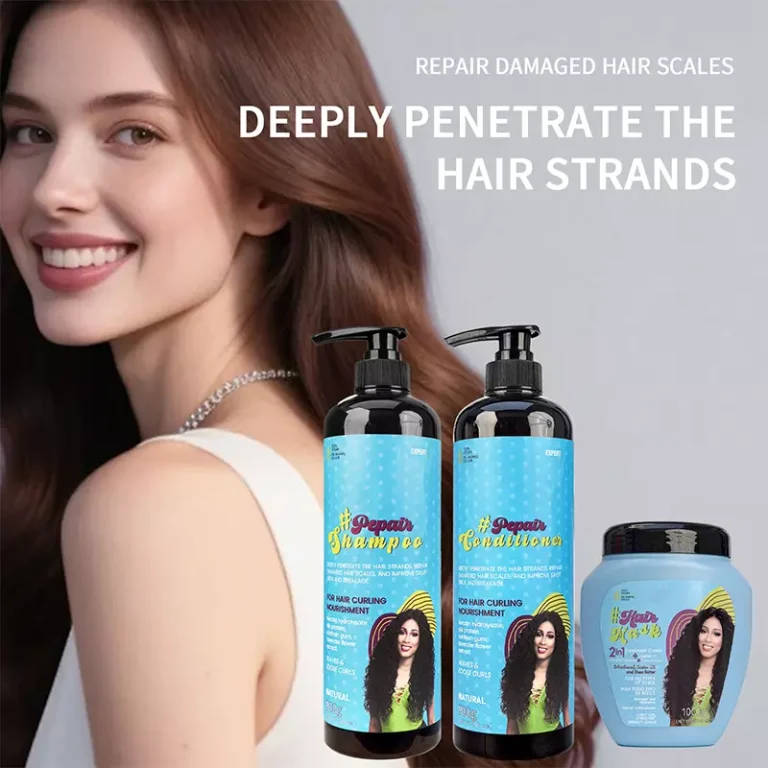
Choosing a reliable shampoo manufacturer (OEM) is a critical factor between spectacular success and a market recall disaster. Since the formula is completely ruined if it’s not perfect, you need a partner who balances quality and compliance with standards.
Here is a checklist to help you efficiently select potential partners.
1. Qualifications and Certifications
Don’t just take their word for it; verify their documents. A reputable original shampoo manufacturer should hold internationally recognized certifications to ensure safety and consistency.
- GMPC / ISO 22716 Standard: The gold standard for Good Manufacturing Practices in cosmetics.
- ISO 9001 Standard: Ensures an integrated quality management system.
- Regional Compliance: If you sell in the US, the manufacturer must be registered with the US FDA. In the EU, they must comply with Regulation (EC) No 1223/2009.
2. Research & Development and Formulation Flexibility
An “all-purpose” shampoo usually suits no one. You need to know how deeply they rely on scientific research in this field.
- In-house Lab: Do they have their own chemists, or do they outsource formulation?
- Formula Ownership: Ask about intellectual property ownership. If you leave the manufacturer later, can you keep your formula?
- Ingredient Transparency: Ensure they can provide trendy or specialized ingredients (like sulfate-free surfactants, biotin, or specific essential oils) without compromising product stability.
3. Production Capacity and Scalability
The original shampoo manufacturer should be a perfect fit for your needs—not too small to keep up with your growth, and not so large that your small orders get pushed to the back of the line.
| Feature | What to Look For |
| Minimum Order Quantity (MOQ) | Can they start from 500 to 1000 units, or do they require 10,000 units or more? |
| Lead Times | Standard lead time is typically 30-45 days after design approval. |
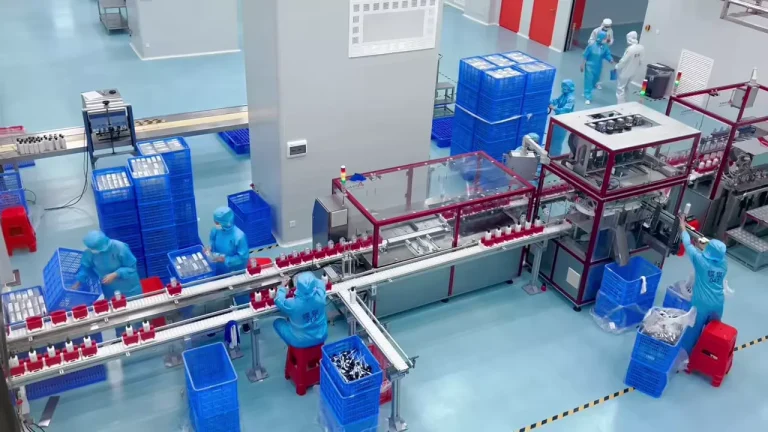
| Equipment | Do they have vacuum emulsifier mixers (essential for a smooth shampoo texture)? |
4. Quality Control Processes
A single batch of “cloudy” or separated shampoo can damage your brand’s reputation. Inquire about their testing protocols:
- Stability Testing: Do they test how the shampoo reacts to heat, cold, and sunlight?
- Microbiological Tests: Do they check each batch for mold and bacteria?
- Packaging Compatibility: Do they ensure the shampoo formula doesn’t damage the plastic bottle you’ve chosen?
5. Communication and Mutual Trust
This is a long-term partnership. If they take a week to reply to a simple email during the “honeymoon” phase, imagine how they’ll act during a production delay.
- Transparency: Are they willing to show you their facilities (virtually or in person)?
- Proactive Advice: A good original shampoo manufacturer will tell you if the ingredients you chose will cause the formula to separate or if a specific bottle pump is prone to leaking.
⚠ Warning Signs to Watch For:
- “Fantastic” Prices: Often mean diluting active ingredients or using industrial surfactants.
- Vague Ingredient Lists: If they are not precise about the product ingredients, walk away.
- Absence of Production Records: Every reputable manufacturer should keep a paper trail for every bottle produced.