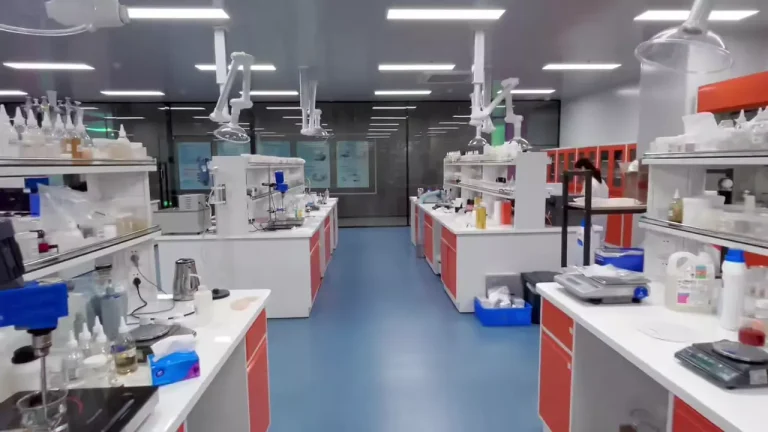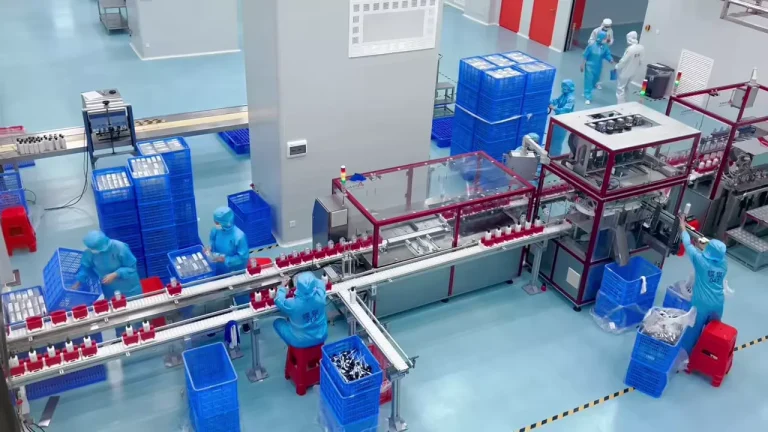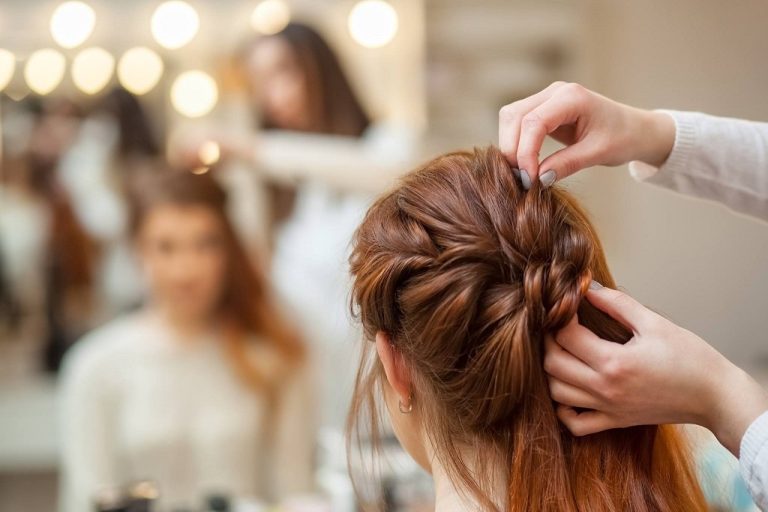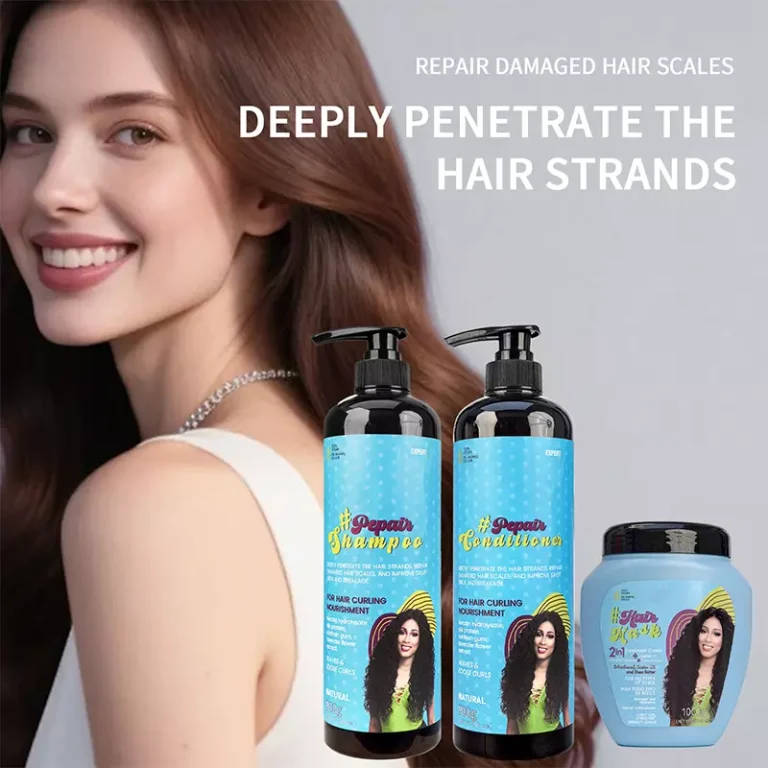
The following list is based on a comprehensive assessment of five core indicators: production volume, technological level, intelligentization, quality standards, and industry influence. The rankings are in no particular order and include leading global brand-owned shampoo factories and domestic shampoo production bases.
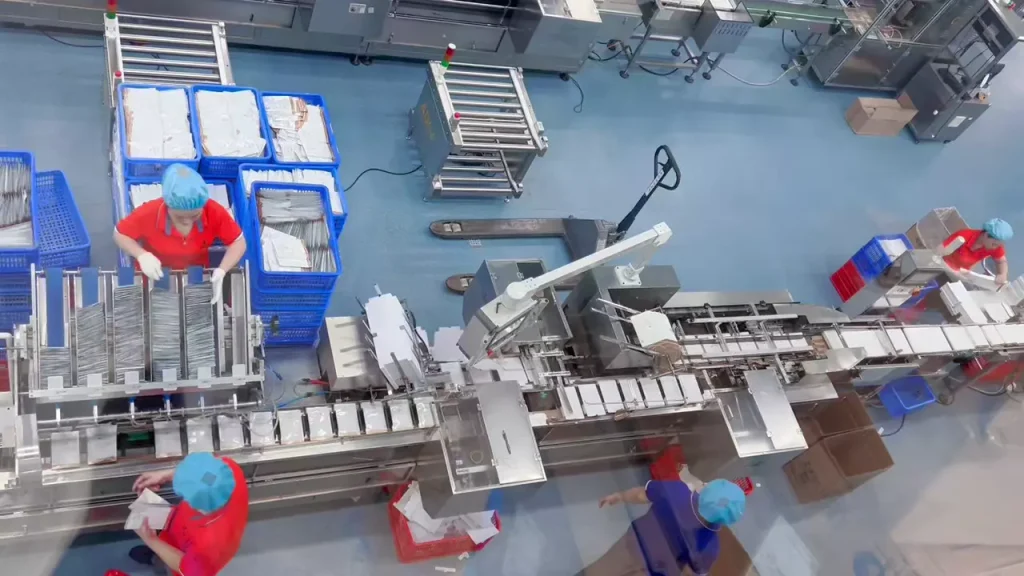
I. Global Brand-Owned Shampoo Factories in China
1. Procter & Gamble Tianjin Shampoo Plant
Located in Tianjin, with an annual production capacity of over 300,000 tons, featuring a 95% water utilization rate and AI-powered visual quality inspection with 98% automation.
2. Unilever Hefei Shampoo Plant
Located in Hefei, Anhui Province, with an annual production capacity of 250,000 tons. The plant operates a closed production system, utilizes a smart pull-feed system, and serves as a carbon-neutral model.
3. Procter & Gamble Guangzhou Shampoo Plant
Located in Guangzhou, it is one of the largest daily chemical production bases in South China, with an annual production capacity exceeding 200,000 tons. Its production lines are flexible, allowing for rapid product switching, and it features a digital traceability system.
II. Leading Domestic Shampoo Manufacturers
4. Jindao Intelligent Shampoo Factory
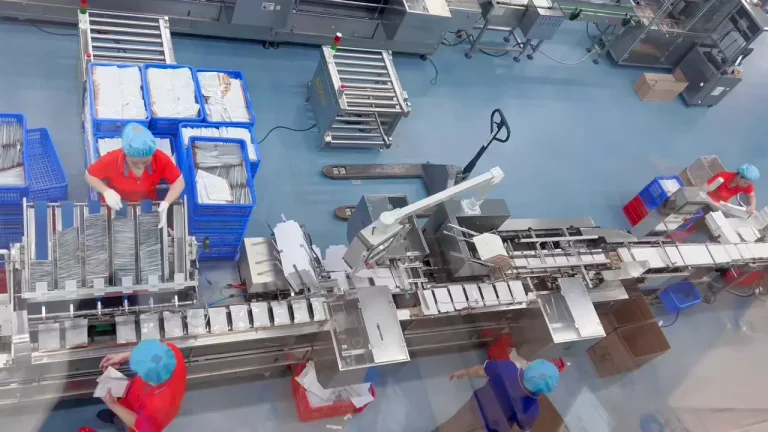
Located in Guangzhou city, it is China’s first fully integrated, intelligent shampoo and conditioner manufacturing facility. It houses 12 fully automated filling lines with ±0.5g precision and an annual production capacity of 200,000 boxes.
Features and Benefits of Jindao Intelligent Shampoo Factory:
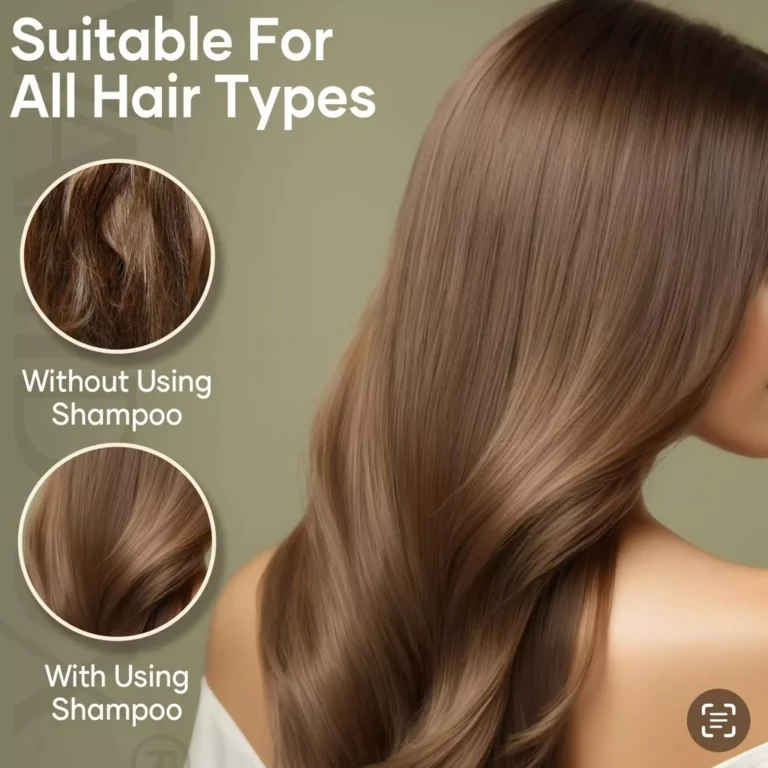
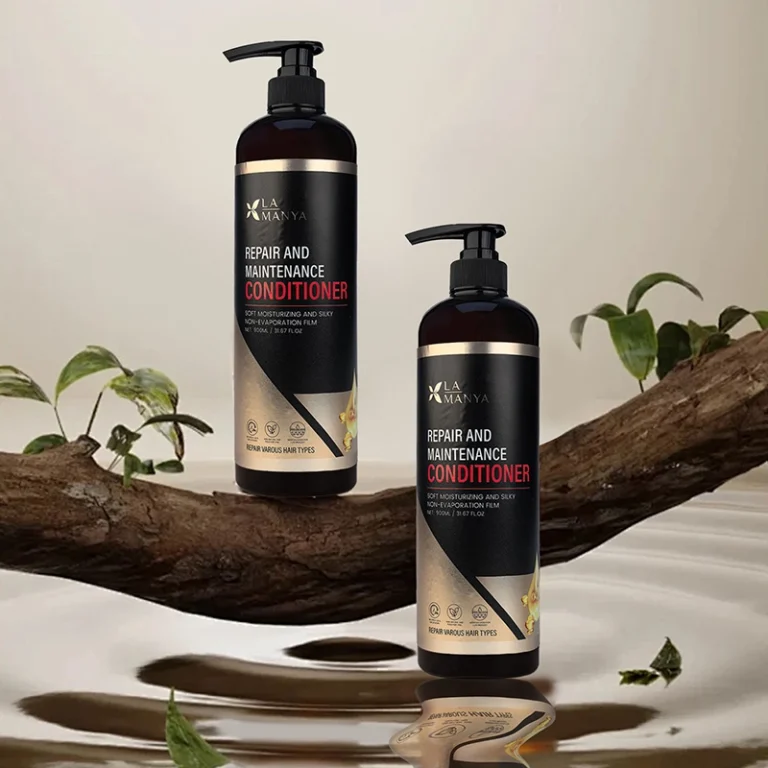
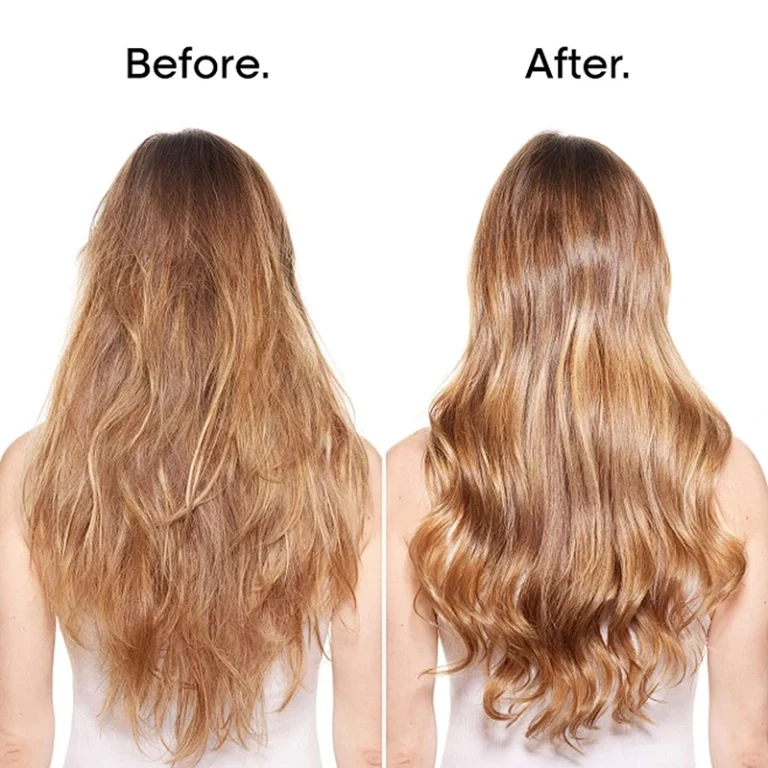
- Advanced Formulations: Jindao’s R&D team has developed unique shampoo formulations based on in-depth hair physiology research and the latest hair care trends. For example, some shampoos contain natural plant extracts like aloe and ginseng, which effectively nourish hair and scalp, making hair healthier and shinier.
- Quality Assurance: Jindao implements strict quality control for its shampoo varieties, from raw material selection to the finished product. A precise quality inspection system is in place at every production stage. All raw materials are carefully selected and tested to ensure safety and efficacy. Finished products also undergo multiple tests to confirm they meet quality standards.
- Customization Services: Jindao provides shampoo customization services. Products can be developed according to customers’ specific needs, such as different fragrances, packaging designs, and functional features. This flexibility enables the company to meet the diverse needs of the market.
- Flexible Manufacturing: Enables small-batch or multi-variant production.
Website: https://theshampoomanufacturer.com
5. Lafang Shampoo Factory
Located in Shantou city, Guangdong Province, featuring a Class 100,000 clean room, 6 emulsification lines, and 12 filling lines, with an annual production capacity of 120,000 tons.
6. B-Flower Shampoo Factory
Located in Shanghai, featuring 7 fully automated production lines, an intelligent infrared quality inspection system, and comprehensive digital operation management, with an annual production capacity of 80,000 tons.
7. Bawang Shampoo Factory
Located in Baiyun District, Guangzhou city, a leading TCM-based anti-hair loss shampoo factory, GMP-certified, utilizing patented TCM extraction technology and an intelligent TCM fermentation system. Annual production capacity is 60,000 tons, ranking first in market share for the anti-hair loss category.
8. Huanya Shampoo Factory
Located in Huadu District, Guangzhou city, a pioneer in silicone-free shampoo, a national-level technical engineering center, and a research base for precise scalp care. Annual production capacity is 120,000 tons, and it is the main production site for the Ziyuan brand.
9. Yunnan Baiyao Shampoo Factory
Located in Kunming city, Yunnan Province. It has a pharmaceutical background, pharmaceutical production standards, a scalp health testing center, and a sterile production environment.
10. Adolph Shampoo Factory
Located in Baiyun District, Guangzhou city, a benchmark for perfumed shampoo and conditioner production, featuring a smart warehousing system and flexible manufacturing supporting both small and large batches. Annual production capacity exceeds 100,000 tons, with a digital management platform monitoring the entire production process in real-time.
Each of the top ten shampoo factories listed in China possesses unique characteristics and advantages. These factories play a vital role in Chinese and global shampoo markets, as their mission is not only to meet diverse consumer needs but also to drive the growth of the hair care industry through continuous innovation and development. With the increasing demand for high-quality hair care products, these leading factories are expected to continue their growth and make greater contributions to this sector in the future.
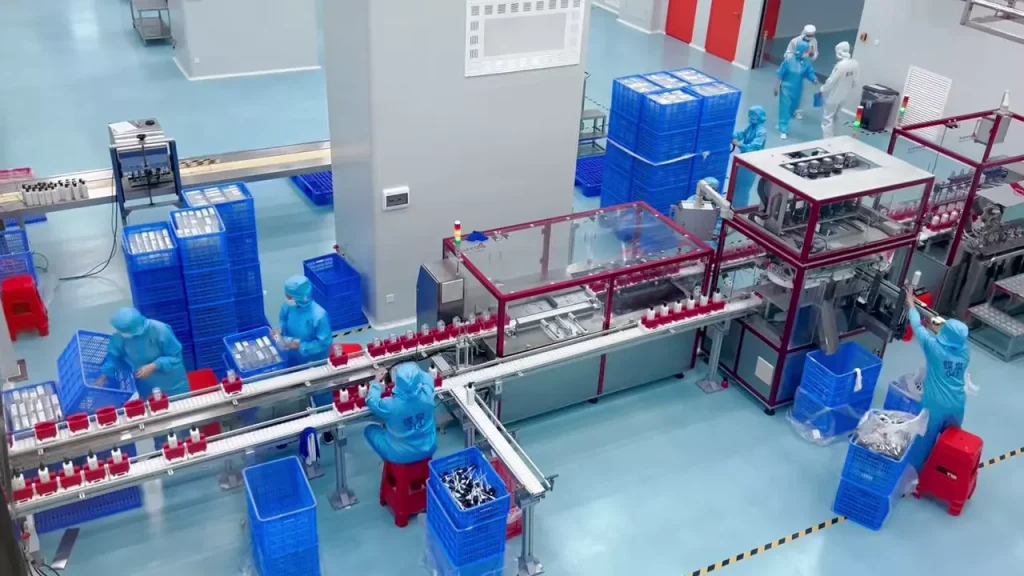
III. Guide to Choosing a Shampoo Factory
Before searching for a shampoo factory, please clarify the following four points, as they are the foundation for precise matching:
1. Define Your Positioning and Requirements
- Product Positioning: Luxury / Mass Market / Functional (e.g., anti-hair loss, anti-dandruff, repair) / Natural & Organic / Specialized Shampoo & Conditioner (e.g., products for children, men, colored hair).
- R&D Capabilities: Do you have ready-made formulas, or do you need the factory to develop them from scratch or provide a set of formulas to choose from?
- Production Capacity and Order Quantity: Initial order quantity and expected annual production. This directly determines the factory’s willingness to accept the order (factories have MOQs).
- Budget Range: Target product cost (RMB per bottle), including the entire supply chain like raw materials, packaging materials, production, and testing.
2. Choose the Type of Shampoo Factory
- R&D-Oriented Factories: Possess strong R&D teams and laboratories, specialize in formula innovation and efficacy verification, suitable for new brands and functional products.
- Manufacturing-Oriented Factories: Feature high-volume production capabilities, advanced automation, excellent cost control, suitable for established brands and stable, large-scale mass-market product production.
- Full-Service Factories: Provide comprehensive services from market research, formula development, packaging design, production and filling, to quality inspection and registration, suitable for brands seeking a smooth, hassle-free experience.
- Specialized Factories: Focus on a specific niche, like fully natural organic products, silicone-free technology, or specific ethnic ingredients.
3. Verify Qualifications and Core Capabilities
Basic Requirements: Valid business license and cosmetics production license.
Quality System: Has the factory obtained international certifications like ISO9001 and ISO22716 (global cosmetic standards), key indicators for standardized production?
R&D Laboratory: Does the factory have its own lab? How advanced is its R&D equipment? What are the qualifications of the R&D personnel?
Production Capacity and Equipment: Visit the workshop to understand the automation level of the filling line, workshop cleanliness, and whether production capacity flexibly meets your needs.
Supply Chain Capabilities: Is the supply chain stable? Are raw material sources reliable? Can they provide relevant raw material safety and compliance certificates?
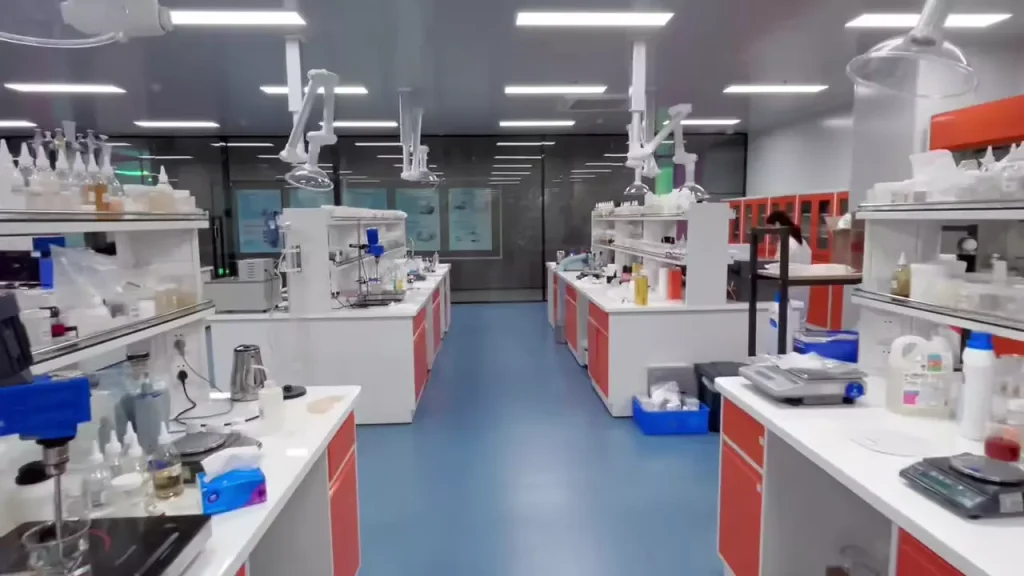
IV. How to Identify Potential Risks and Pitfalls
- Compliance Risk: Does the shampoo factory operate without a license or beyond its permitted scope? Check the details of the cosmetics production license.
- Raw Material Risk: Ensure the factory does not use prohibited ingredients and strictly controls the concentration of restricted ingredients. Request compliance certificates for all raw materials.
- Unclear Pricing: Beware of “packaging quotes.” Request a detailed price list from the factory, including: raw material cost, internal material processing fees, packaging material purchase cost/fees, packaging and processing fees, testing fees, registration service fees.
- MOQ Trap: MOQ is a critical factor. Inquire about the MOQ for each product individually, the raw material MOQ (e.g., 1 ton), and whether the factory supports “group orders” to facilitate market entry.
- Sample Fees: Ask if samples are free or paid, and the fee calculation standards. This is an important indicator of R&D capabilities.
- Delivery Delays: The contract should clearly state the entire process from order placement to delivery and define compensation for delays. Consider the impact of packaging material procurement cycles on total delivery time.
- Lack of QC Processes: Understand the factory’s inspection standards and processes for raw materials, semi-finished, and finished products. Does the factory have an independent QC department and testing equipment?
- After-sales Service and Problem Response: Clearly define procedures for handling quality issues (e.g., batch instability, packaging defects, etc.), liability distribution, and compensation plans.
- IP Ownership: If outsourcing R&D, you must clearly define ownership of intellectual property rights, such as formulas and patents, in the contract to avoid future disputes.
V. Key Points for Effective Collaboration
- On-site Inspection: Seeing is believing. It is essential to personally visit the intended shampoo factory to inspect the workshop, laboratory, warehouse, and management details.
- Request Samples: Test the factory’s efficiency, precision, and final product quality through sample testing.
- Review Past Projects: Review brands the factory has worked with to understand its strengths and market reputation.
- Contract is the Foundation: Clearly document all technical details (formula, manufacturing standards), quality standards, delivery terms, liability distribution, payment methods, confidentiality agreements, etc., in a formal contract.
Summary: Choosing a shampoo factory is a systematic process, fundamentally aimed at finding a reliable, stable, long-term strategic partner. We recommend following these steps: “Define Your Needs → Broadly Select Potential Factories → Conduct Basic Checks (Verify Qualifications/Site Visits) → Verify Samples → Business Negotiation,” to ensure informed decisions and build a solid foundation for your brand. Wishing you success in finding your ideal partner!