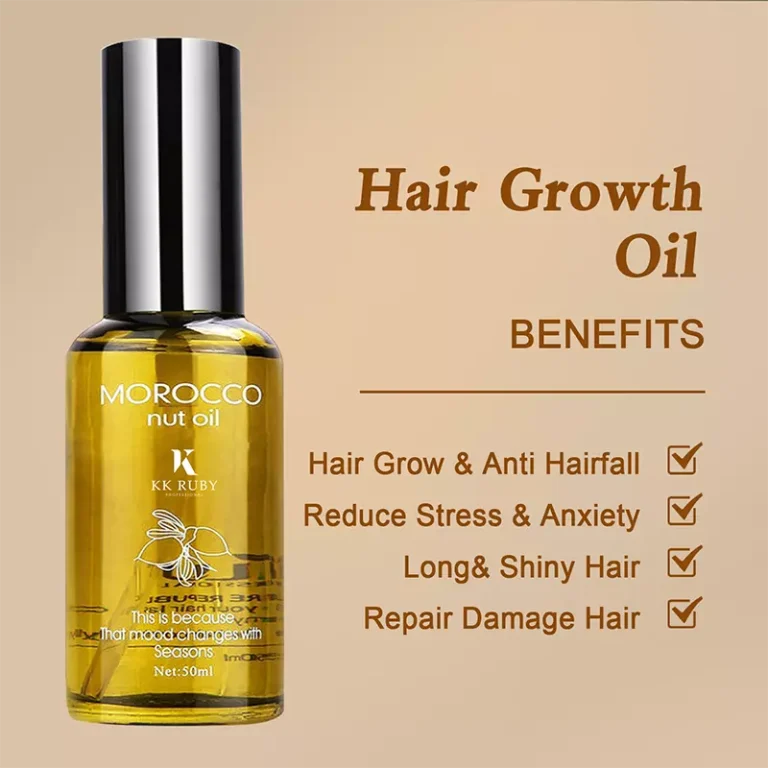
In the world of professional hair care, “Intensive Repair Shampoo” is a term searched millions of times, yet it remains one of the most misunderstood products. For hair that has endured bleaching, chemical straightening, or frequent heat styling, a regular moisturizing shampoo simply isn’t enough.
Are you looking for a formula that restores vitality to damaged hair? Or, as a business owner, are you searching for the best-selling repair product to boost your brand?
This guide cuts through the marketing hype to analyze Intensive Repair Shampoo from the scientific perspective of ingredients, mechanisms, and market trends. It’s more than an article; it’s your guide to making informed purchase or business decisions.
What is Intensive Repair Shampoo? The Science Beyond Ordinary Cleansing
Many consumers believe “repair” is just a marketing term. But from a cosmetic chemistry perspective, Intensive Repair Shampoo is fundamentally different from a regular moisturizing shampoo.
The Mechanism: From Surface Smoothing to Cortex Rebuilding
Daily moisturizing shampoos focus on removing scalp oils and using silicones or cationic polymers to form a temporary smooth layer on the hair surface.
In contrast, intensive repair shampoo design is based on the principle of “treatment.”
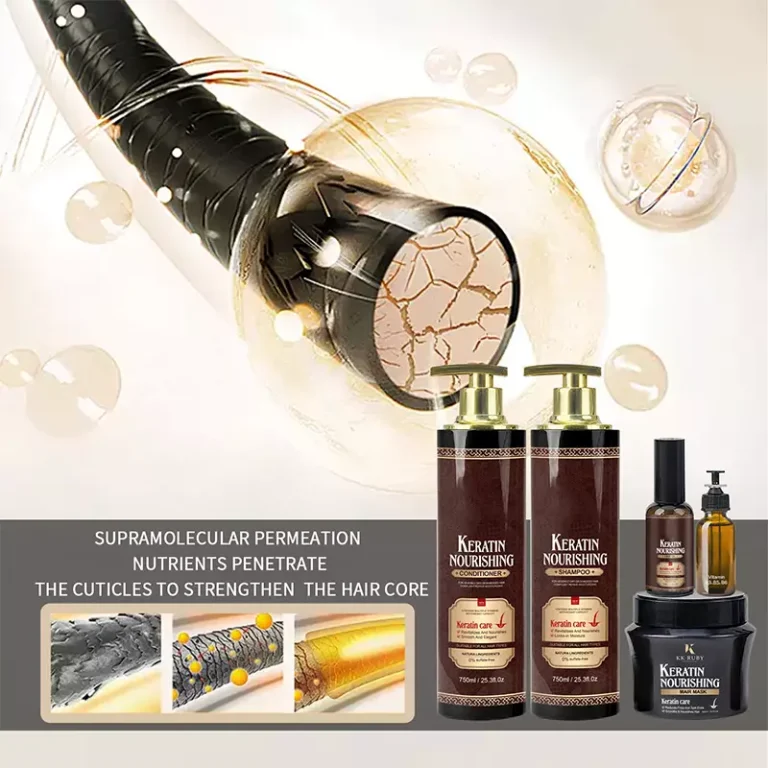
- Penetration: Contains active ingredients with low molecular weight that pass beyond the cuticle layer and reach the cortex.
- Structural Support: Aims to replenish lost proteins, and in some advanced formulations, uses bond-building technology to reconnect broken disulfide bonds.
- pH Balance: Intensive repair products are typically mildly acidic (pH 4.5-5.5). This helps seal the cuticle, locking nutrients in, while cheaper shampoos may be more alkaline.
Precise Targeting: Who Needs Intensive Repair?
Not everyone needs a heavy-duty formula. These products are specifically designed for:
- Chemically Treated Hair: Bleaching removes melanin and moisture, leaving voids in the hair shaft.
- Heat Damage: Frequent use of flat irons at 200°C+ causes keratin degradation.
- High Porosity & Breakage: Hair that easily breaks during combing rather than shedding from the root.
Decoding Ingredients: What Makes a Formula “Intensive”?
If you’re looking for a high-quality intensive repair shampoo or evaluating a product’s quality, you must review the ingredient list. Only specific formulations create real changes in hair structure.
Protein Family: Hair’s Building Blocks
Hair is composed of over 90% keratin. The essence of repair is “replenishing what’s lost.” However, regular protein molecules are too large to penetrate the hair. Therefore, high-performance products must use hydrolyzed versions of protein.
- Hydrolyzed Keratin: Closest to the hair’s natural structure, it fills voids on the hair’s surface.
- Hydrolyzed Wheat/Rice Protein: Plant-based proteins that increase hair shaft diameter and strength, significantly reducing breakage.
- Collagen: Provides hair elasticity, making it supple instead of dry and brittle.
Lipids and Bonding Agents: Sealing and Protection
Alongside protein, damaged hair lacks lipids, the “glue” that keeps the cuticle lying flat.
- Ceramides: Often called the “intercellular cement,” ceramides bind cuticle layers together to prevent internal nutrient leakage.
- Argan & Jojoba Oils: Rich in Vitamin E and fatty acids, these oils mimic natural sebum to provide deep nourishment without leaving a greasy residue.
- Panthenol (Pro-Vitamin B5): A humectant that penetrates the hair shaft to increase moisture retention and impart a natural, reflective shine.
Professional Usage: Maximizing Repair Shampoo Efficacy
Owning a bottle of the best intensive repair shampoo is only the first step. Incorrect usage (like using water that’s too hot) can negate the product’s benefits. Here is the optimal method for salon-style usage:
The Art of Pre-Wash and Emulsification
- Lukewarm Water: Rinse your hair with water between 37-40°C for at least 60 seconds. This helps gently open the cuticle and remove water-soluble dirt.
- Palming: Repair shampoos are often highly concentrated. Always rub the shampoo between your palms with a little water before applying to the scalp.
- Scalp Massage: Focus on the scalp and let the lather gently flow down the lengths. Avoid rubbing the ends vigorously; damaged hair is more fragile when wet.
The “Sandwich” Method and Frequency
- Frequency: It’s not for daily use. Given its nutrient richness, intensive repair shampoo is recommended 2-3 times a week, alternating with a clarifying or volumizing shampoo to prevent product buildup.
- Pairing: Always follow with a suitable repair conditioner or mask. The shampoo cleanses, while the conditioner moisturizes and seals proteins inside.
Business Insights: Why Intensive Repair Shampoo is a Market Staple
For distributors, salon owners, and e-commerce sellers, investing in an intensive repair shampoo line is a highly profitable strategy.
High Retention and Core Demand
Unlike styling products (wax or sprays), shampoo is a consumer essential.
- Visible Proof: Repair products show instant results; hair looks shinier and smoother after 1-3 uses. This instant gratification builds strong customer loyalty to the brand.
- Cross-Sell Opportunities: A customer who buys a hair repair shampoo is 90% more likely to purchase hair masks, serums, and heat-protectant products.
Global Hair Damage Trends
With the proliferation of diverse hair coloring techniques (like balayage and pastel colors) and chemical styling, the number of people with hair damage is significantly increasing. Whether in Asia, Latin America, or the Middle East, the word “repair” remains among the top three most-searched hair care terms. Mastering this category allows capturing a massive, sustainable market share.
FAQ – Optimized for Google Featured Snippets
Can Repair Shampoo Fix Split Ends?
Fact: Scientifically, shampoo cannot permanently mend split ends once they are completely severed. The only permanent solution is trimming. However, a high-quality intensive repair shampoo can temporarily smooth and reinforce ends using polymers, preventing the split from traveling up the hair shaft.
Is Intensive Repair Shampoo Suitable for Oily Scalp?
Yes, with the right method. Many people experience oily roots and dry ends. We recommend the “double cleanse” method: use a clarifying shampoo for the first wash to clean the scalp, then use the intensive repair shampoo for the second wash, focusing primarily on mid-lengths and ends.
Conclusion: Start Your Hair Health Restoration Journey Today
Intensive Repair Shampoo is not just a cleanser; it is the ultimate solution for damaged, frizzy hair, delivering the healthy, shiny hair your customers desire.
In a market filled with false promises, high-quality formulations and effective ingredients remain the only standard. Whether you wish to rescue your hair or are searching for a reliable manufacturer for your private label, we are here to help.
Interested in our exclusive intensive repair shampoo formulations? Or seeking a manufacturer compliant with SGS/ISO international standards for export?
We offer lab-tested formulations, flexible MOQ customization, and wholesale options. We’ve helped over 50 global brands create their best-selling hair care lines.
🚀 Don’t let your customers wait. Get a free sample and bulk quote today!
👈 [Click here to consult an expert via WhatsApp]