In the field of Original Equipment Manufacturer (OEM) shampoo production, production efficiency directly impacts a company’s competitiveness and economic returns. Through scientific management and technological means, production efficiency can be improved in multiple aspects. Here is a detailed explanation of the methods used.
Improve the Production Process
Simplify and Optimize Processes
It is essential to conduct a comprehensive review of the current shampoo production process to identify complex steps and unnecessary procedures. For example, can the order of adding some raw materials be adjusted to reduce equipment cleaning and changeover time? Can intermediate inspection steps be improved to avoid repeated checks that hinder workflow? By simplifying the process, unnecessary operations and time waste are reduced, improving production continuity.
Process Balancing and Parallel Operations
Analyze the production time and capacity of each process step, and adjust process balance accordingly. Ensure the production pace of each step aligns with the overall timeline, avoiding situations where some steps wait for others to complete. Simultaneously, for steps that can be performed in parallel, such as packaging material preparation and shampoo production, schedule them logically to occur at the same time, shortening the overall production cycle.
Improve Equipment Performance and Automation Level
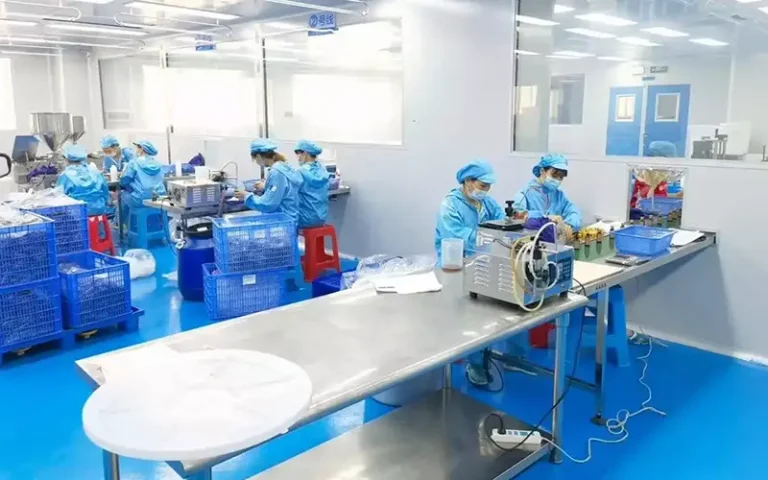
Equipment is the foundational pillar of production; therefore, improving its performance and raising the level of automation significantly contributes to efficiency. Introducing advanced production equipment is recommended to increase production speed and ensure stable product quality. Regular maintenance and upgrading of existing equipment are also advised to ensure operational readiness and reduce downtime caused by breakdowns. Encouraging automated production lines is recommended to achieve continuous operation from raw material input to final product packaging, reducing manual intervention, increasing productivity per unit of time, and minimizing errors from human factors.
Enhance Personnel Management and Skills Training
The operational skills and work efficiency of employees in a shampoo factory greatly impact production efficiency. Therefore, establishing a scientific human resource management system is recommended, clarifying performance evaluation standards for each position, and motivating employees to enhance their work enthusiasm and sense of responsibility. Organizing regular training sessions for employees is also advised to familiarize them with equipment operating procedures, master advanced production techniques, and improve their operational proficiency and accuracy. Furthermore, cultivating employees’ multi-skill capabilities is recommended to enable flexible staffing and avoid production delays due to shortages in specific roles. By improving the overall quality of personnel, the effective progress of the production process can be ensured.
Optimize the Supply Chain
Supplier Management
OEM shampoo factories should establish long-term, stable cooperative relationships with high-quality raw material and packaging suppliers. Evaluate and select suppliers who can provide quality products, deliver on time, and offer reasonable prices. Maintain close communication with suppliers, sharing production plans and demand information to ensure timely supply of raw materials and packaging. Simultaneously, establish supplier contingency plans to handle potential supply disruptions.
Inventory Management
OEM shampoo manufacturers should adopt scientific inventory management methods to avoid excessive stockpiling that wastes capital and storage space, and to prevent inventory shortages from causing production stoppages. Monitor inventory dynamics in real-time using information technology, and promptly replenish stock and adjust inventory management strategies.
Apply Digital Management Technology
Digital management technologies are fundamental to improving production efficiency. OEM shampoo manufacturers should implement production management systems to monitor output, equipment status, material consumption, and other data in real-time, using data analysis to identify bottlenecks and find solutions. Utilize information systems to achieve digital control over order processing, scheduling, and quality inspection, reducing the costs of manual statistics and communication.
In summary, improving production efficiency in OEM shampoo manufacturing requires optimizing production processes, enhancing equipment performance and automation levels, strengthening personnel management and training, improving supply chain collaboration, and applying digital management technologies. These measures, combined, effectively contribute to reducing waste in the production process, shortening the production cycle, and improving production stability and quality per unit of time. OEM shampoo manufacturers need to take targeted improvement measures based on their specific conditions to continuously enhance production efficiency, thereby adapting to changes in market competition and customer needs.