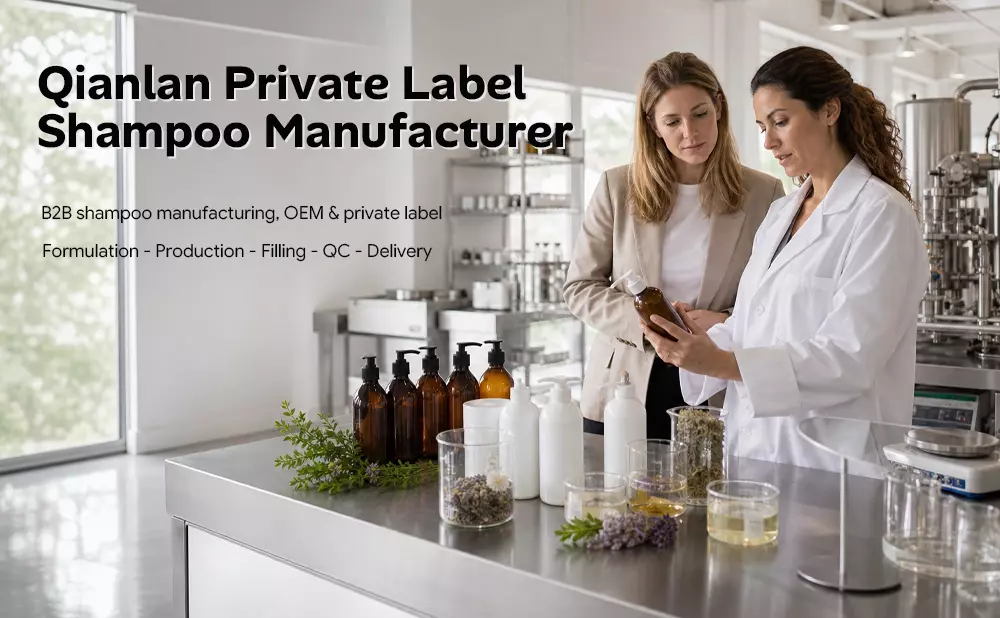
Start With the Problem, Not the Product
The most common briefing mistake is leading with “I want a shampoo.” A strong brief starts with the hair problem you solve: oily scalp, color protection, curl definition, or anti-thinning. When you brief a private label shampoo manufacturer, the problem statement guides every downstream decision, from surfactant choice to claims language.
Define Your Target Consumer
Write one paragraph describing the buyer: age, hair type, price sensitivity, and where they shop. This single paragraph aligns the chemist, the packaging designer, and the marketer around the same person. Vague audiences produce vague products that nobody loves enough to repurchase.
Specify Performance Claims
Claims drive formulation. If you want “sulfate-free” and “color-safe,” say so explicitly. If you need “dermatologically tested,” budget for the study. Vague claims produce vague products. A low MOQ shampoo manufacturer can still meet tight claims at small volume if the brief is clear and the chemist has the actives in stock.
Choose the Base and Actives
Decide between a stock base (faster, cheaper) and a fully custom base (differentiated, costlier). List the actives you want – niacinamide, biotin, rosemary extract – with target inclusion rates. A custom shampoo manufacturer will tell you which actives are stable together and which are not, saving you from a formula that separates on the shelf.
Brief the Sensory Profile
Sensory is half the experience. Specify viscosity, foam richness, rinse feel, and fragrance family. Send a reference product if you can; “like this but better” is a valid and useful instruction that anchors expectation far better than adjectives alone.
Plan the Fragrance Carefully
Fragrance is the most recalled attribute. Provide a mood board: fresh, herbal, premium, unisex. Confirm allergen labeling compliance for your target market before locking the scent, because a non-compliant fragrance can block an entire shipment at customs.
Decide Packaging Early
Packaging drives filling line choice. Confirm bottle material, pump type, and label substrate in the brief so the factory can reserve compatible lines. Mismatched packaging is the silent killer of launch dates, appearing only after the formula is already approved.
Set the Stability and Challenge Tests
Request three-month accelerated stability and preservative challenge testing. This catches separation, discoloration, and microbial growth before your customers do. Treat the test report as a release gate, not a formality to file away.
Align on MOQ and Pilot
State your realistic first order and ask for a pilot batch. A paid pilot de-risks the full run and gives you sellable stock for market testing. Use the pilot to train your own customer-service team on the real product story.
Supply logo, color palette, and tone. The factory’s labeling team should receive brand assets in the first week, not after filling, because label proofs are where small misalignments become expensive reprints.
Document the Handoff
Keep the brief as a living document: version, decisions, and approvals. When the formula ships, you should be able to trace every choice back to the brief. Good documentation is what lets you scale from one SKU to ten without losing control.
Common Briefing Mistakes to Avoid
The first mistake is specifying a competitor’s product by name and asking for a “cheaper copy”; that invites both legal and quality problems. The second is omitting the target price, which leaves the chemist guessing at the cost ceiling. The third is changing the brief mid-development, which restarts the clock and erodes trust with the lab.
A Simple One-Page Brief Template
Open with the problem statement, then the consumer paragraph, then claims, actives, sensory, fragrance, packaging, and tests. Close with MOQ and brand assets. If every section is filled, your private label shampoo manufacturer can quote accurately on the first call instead of the fourth.
Briefing for Different Product Types
A clarifying shampoo brief emphasizes cleansing and residue removal; a conditioning brief emphasizes slip and moisture; an anti-thinning brief emphasizes actives and clinical support. Match the depth of the brief to the claim, because the riskiest products deserve the most detailed instructions.
Hand the Brief to the Right Person
Send the brief to the technical manager, not only the sales rep. The sales rep sells; the chemist formulates. When both receive the same document, the quote and the formula agree, and you avoid the gap where promises outrun capability.
Keep the Brief Updated
Markets shift, and so should the brief. When you refine the target consumer or add a claim, version the document and notify the lab. A stale brief is how a proven formula quietly drifts away from what your customers actually want.
Final Word
A great formula is the answer to a great question. Invest in the brief, and your private label hair care products will reach the market sharper, faster, and more defensible against copycats.