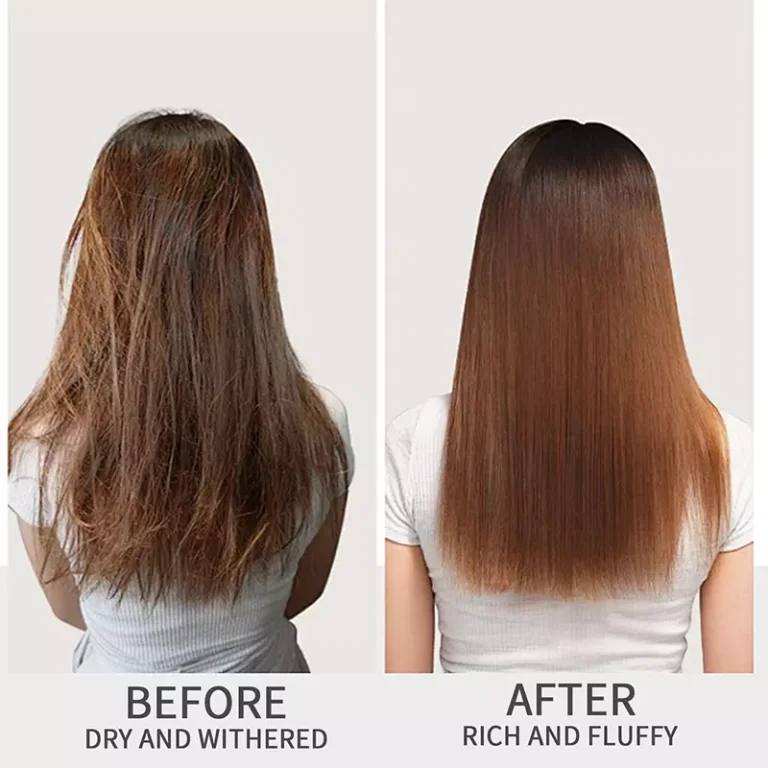
In the OEM (Original Equipment Manufacturer) shampoo production chain, bottle design is a crucial link between the product and the consumer. It not only determines the first impression of the product but also directly impacts user experience, brand communication, and market competitiveness. Therefore, scientifically choosing a bottle design requires comprehensive study from multiple perspectives.
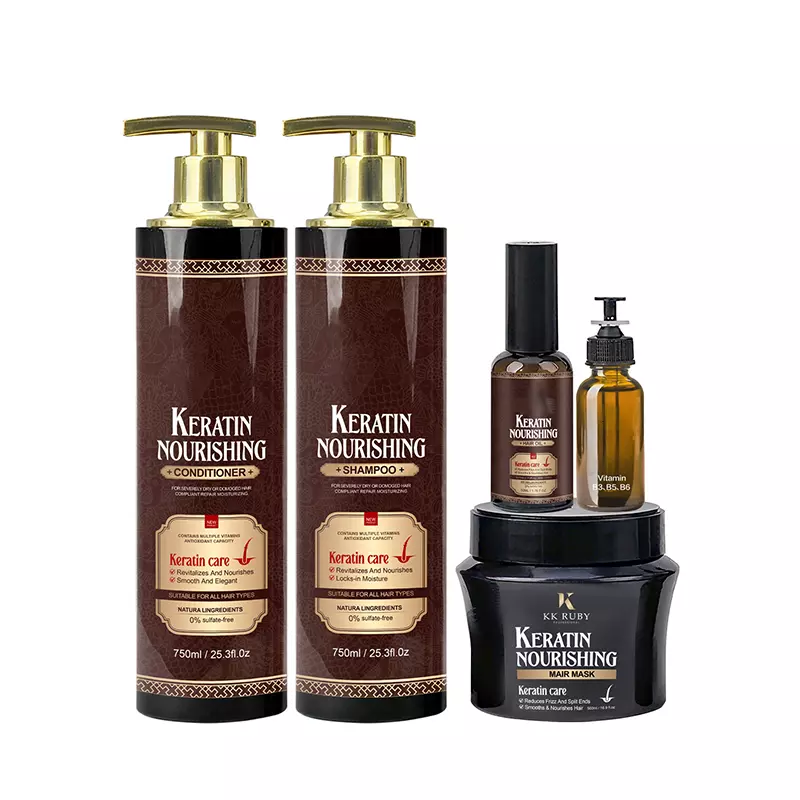
I. Usability Scenario Compatibility
Shampoo bottle design should prioritize usage scenarios to ensure a comfortable user experience under various conditions. From the perspective of the usage environment, the bathroom is a humid and confined space. Therefore, the bottle should possess anti-slip properties, remaining stable whether held with wet hands or placed on a washbasin. At the same time, the bottle size should be suitable for common bathroom storage spaces to avoid occupying too much room. From the perspective of user habits, ease of use for different user groups must be considered. For example, for users who wash and condition their hair quickly daily, the bottle design should be easy to use with one hand, facilitating opening, closing, and dispensing the product. For users who value dosage precision, the bottle design should help control the amount of liquid used, avoiding waste or insufficient dosage due to incorrect use. Furthermore, changes in the product during its lifecycle must be considered. For instance, when only a small amount of product remains, the bottle design should facilitate emptying the remaining product, thereby reducing waste.
II. Resonance with Brand Identity
The bottle shape serves as the visual embodiment of the brand identity and should align with its core values. If a brand focuses on environmental protection, the bottle can be designed with simple lines and reduced unnecessary decorations to convey the brand’s sustainable philosophy with an elegant appearance. If a brand emphasizes technology and professionalism, the bottle can be designed with simple geometric shapes and textured surfaces to highlight the brand’s innovative and precise image. Simultaneously, the bottle design should contribute to enhancing brand awareness. On shelves, a unique bottle shape that fits the brand identity can quickly attract consumer attention and make the product stand out. The design need not be complex; it should strengthen consumer brand memory through details that align with the brand’s characteristics, such as a unique cap design or a custom bottle texture.
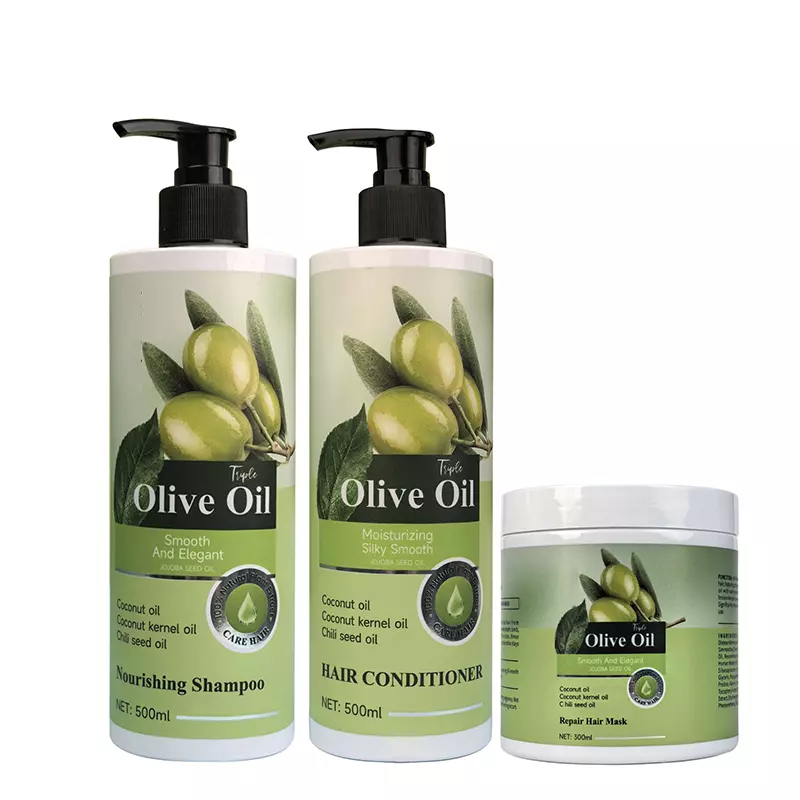
III. Focus on Practicality
Practicality is the foundation of bottle design, requiring consideration of sealing, durability, and ease of use. Regarding sealing, the connection between the cap and the bottle neck should be designed appropriately to ensure no leakage during transport, storage, and use. This also helps prevent excessive air exposure to the shampoo, thereby preventing spoilage and ensuring product quality. In terms of durability, the bottle material should have sufficient resistance to impact and pressure to withstand daily knocks and repeated use, preventing breakage from simple external forces. Ease of use is reflected in design details. For example, the bottle opening size should match the shampoo’s consistency, allowing the liquid to flow smoothly and avoid splashing; the cap opening and closing mechanism should be simple and intuitive, allowing the elderly and children to use it easily without complex steps.
IV. Balancing Overall Costs
In OEM shampoo production, bottle design must balance effectiveness and cost to achieve optimal results. From a production perspective, overly complex bottle designs increase mold development difficulty and cost, and may also reduce production efficiency and increase waste rates. Therefore, while ensuring design effectiveness, the bottle structure should be simplified as much as possible, choosing a design compatible with the shampoo manufacturer’s existing equipment and production processes to minimize additional production adjustment costs. By comprehensively considering costs at each stage, the bottle design can meet product requirements while achieving cost-effectiveness.
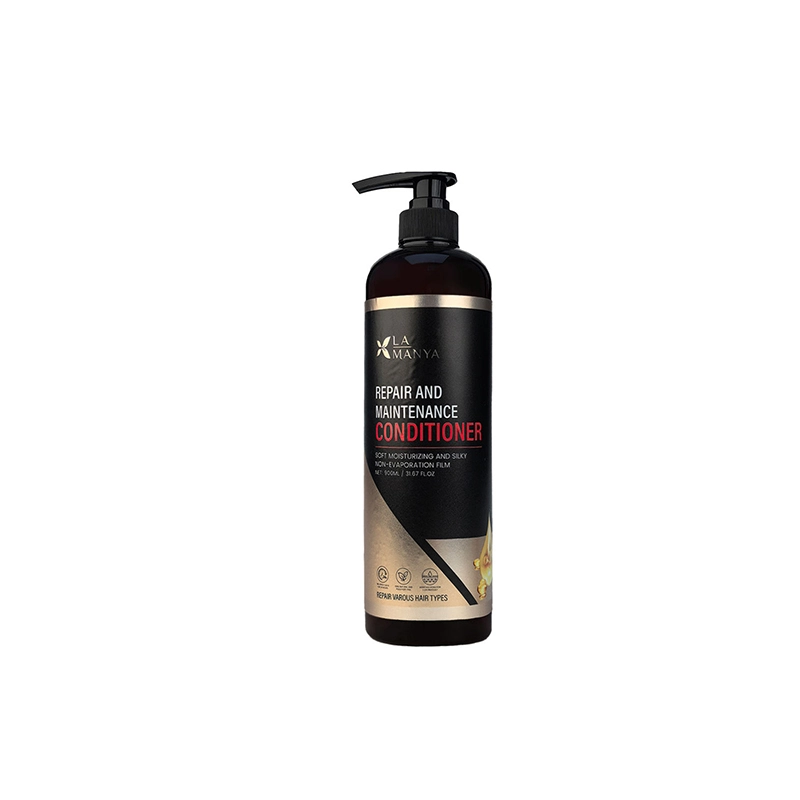
In summary, bottle design is an extremely important aspect of OEM shampoo production, requiring a balance between usability, branding, performance, and cost. Only by focusing on the product’s core needs while considering consumer experience and market competition can a practical and competitive bottle design be created.