Core Technology Analysis of OEM Shampoo Manufacturing: The Synergy and Scientific Selection of Five Key Raw Material Systems
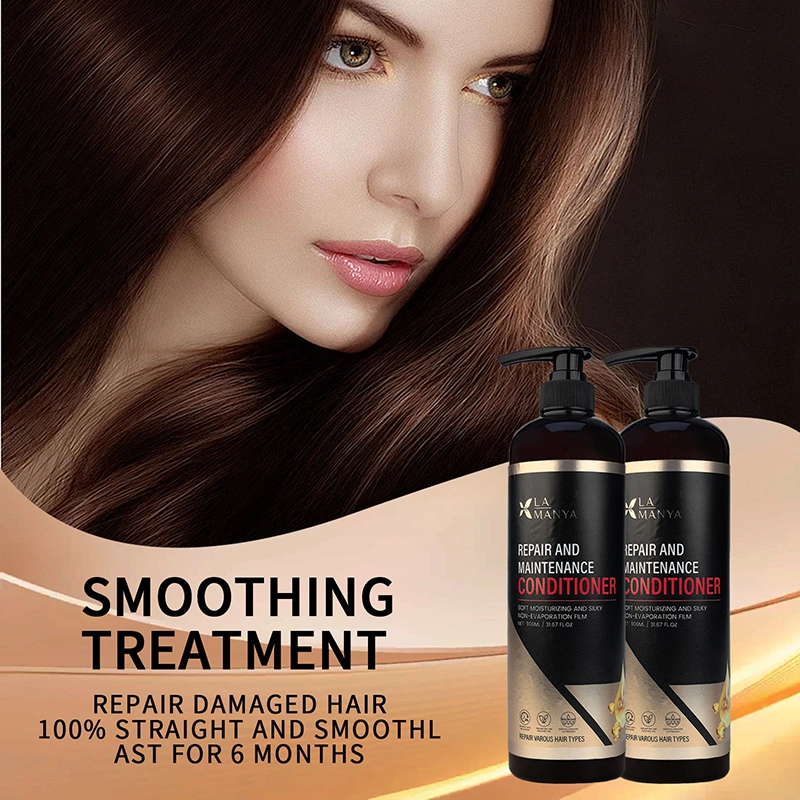
The quality and performance of shampoo fundamentally depend on the composition and proportions of its raw material components. In OEM (Original Equipment Manufacturer) shampoo manufacturing, selecting suitable raw materials and scientifically integrating them is fundamental to ensuring product efficacy, stability, and user experience. The integrated raw material system for shampoo is built upon dimensions like cleansing, conditioning, thickening, stabilization, and functional efficacy. Through the synergistic effect of various components, a formulation is created that meets the needs of different market segments and hair types. This article will systematically review the commonly used raw material categories in OEM manufacturing, analyze their core functions and integration logic, and provide a reference for brands to deeply understand the basics and nuances of shampoo production.
I. Surfactants: The Cornerstone of Cleansing Power and Gentleness Balance
Surfactants are the core of the shampoo’s cleansing function. By reducing the surface tension of water, these agents penetrate and dissolve oils and dirt on the scalp and hair, facilitating rinsing. In the formulation design of OEM hair care products, achieving a precise balance between cleansing power and gentleness is essential; excessive cleansing power can damage the scalp barrier, leading to dryness and sensitivity, while insufficient cleansing negatively impacts user experience. Therefore, modern formulations typically use composite systems that combine strong cleaning agents (like sulfates) with gentle surfactants (like amino acids and betaines). This ensures effective cleansing while enhancing gentleness, improving foam density and texture, and laying the groundwork for subsequent conditioning steps.
II. Conditioning Components: The Key to “Clean” versus “Well-Washed” Hair
Conditioning components directly impact hair texture, appearance, and scalp comfort after washing. Their primary function is to counteract the dryness, frizz, and static electricity that can easily occur post-wash. By adsorbing to the hair surface and forming a protective layer, they reduce friction, improving smoothness and shine. Common conditioning components include cationic conditioning agents (like Polyquaternium), silicone oils and their derivatives, and various natural oils. Additionally, some conditioning ingredients possess scalp care functions, helping maintain its microenvironment balance and relieve tightness. During the OEM manufacturing process, it is essential to scientifically combine conditioning agents with different mechanisms based on the product’s function (e.g., repair, smoothing, volumizing) and the target hair type to achieve customized care effects.
III. Thickening and Stabilizing Components: Guardians of Product Form and Quality Consistency
Although these components do not directly provide shampoo and conditioning benefits, they are essential for ensuring the product’s physical stability and consistent user experience. Thickeners (like Sodium Chloride, Carbomer, Cellulose derivatives) adjust product viscosity, giving it appropriate flow and texture, influencing foam properties and sensory experience. Stabilizing components include pH adjusters, chelating agents, and preservatives, ensuring the formulation remains homogeneous and stable during storage, preventing separation, sedimentation, discoloration, or microbial contamination. Through precise control of system pH and component compatibility, stabilizing components ensure product quality and performance from production to the consumer’s final use.
IV. Humectant Components: Maintaining Hair Moisture and Resisting Dryness Damage
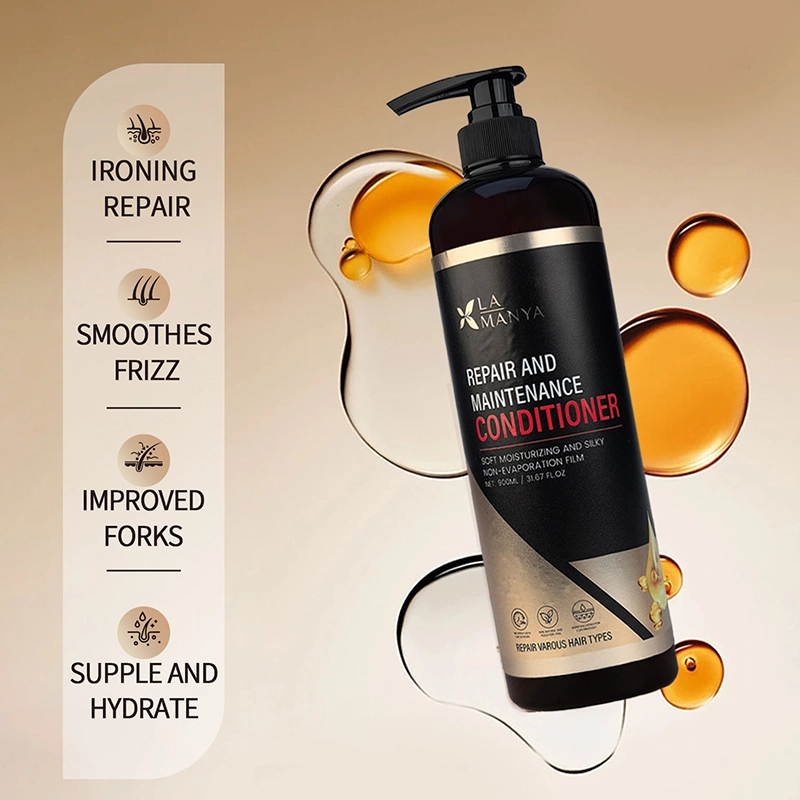
Moisture loss during shampooing can lead to dry, brittle hair, as well as scalp dryness and tightness. Humectant components aid in moisture retention, typically forming an important auxiliary system in hair care product formulations. They help maintain hair hydration and flexibility by either forming a water-resistant film on the hair or scalp surface, or by retaining ambient moisture through hygroscopic components. Commonly used ingredients include polyols (like Glycerin, Propylene Glycol), natural moisturizing factors, and Hyaluronic Acid. In OEM formulations, humectants should be added and proportioned appropriately based on the hair problems the product targets (like dryness, damage) or seasonal needs, to comprehensively enhance the post-wash hydration and comfort experience.
V. Functional Active Ingredients: The Core of Product Efficacy
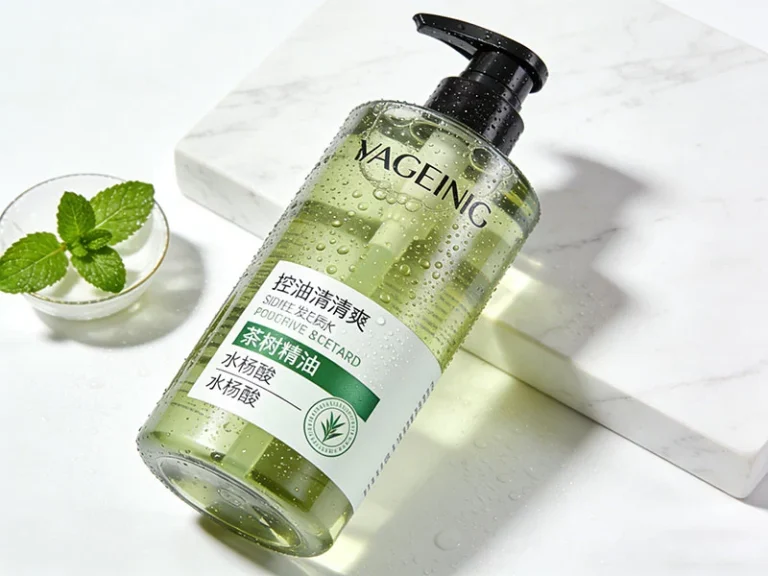
This is the foundation of product differentiation and the achievement of efficacy claims. Based on specific market demands, various active ingredients can be added to impart specific functions to the shampoo, such as dandruff removal, oil secretion control, hair loss prevention, scalp soothing, and repair. Common examples include anti-dandruff agents (like Zinc Pyrithione, Climbazole), oil-control components (like Salicylic Acid, Niacinamide), scalp-soothing ingredients (like Licorice Extract, Bisabolol), and nourishing extracts. When adding active ingredients in contract manufacturing, priority must be given to safety, effective dosage, and regulatory compliance. Compatibility with the base formula and long-term stability must also be considered to ensure consistent and stable efficacy throughout the shelf life.
Summary
The raw material system for contract-manufactured shampoo is a complex, multi-component, integrated system. Each component plays a specific role and interacts with others, collectively determining the final product’s quality, efficacy, and user experience. Successful OEM manufacturing partnerships require manufacturers not only to master the properties of different ingredients but also to scientifically select, proportion, and systematically integrate them based on the product’s market positioning, the precise needs of the target audience, and the core expected efficacy. This involves finding the optimal balance between safety, stability, efficacy, and user experience, enabling the brand to create excellent shampoos that meet market expectations.